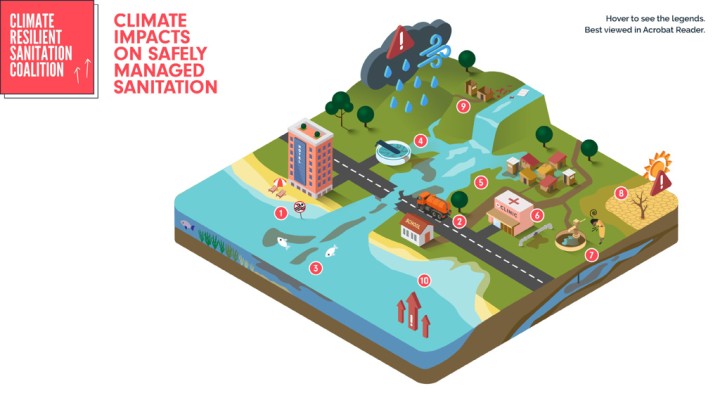
- Health: Loss of sanitation service due to floods and droughts 1 disproportionately affects incidence of diarrheal disease – cholera countries, cases, frequency and size of outbreak have all increased dramatically in recent years 2. Change in temperature is also causing vector-borne diseases, such a dengue fever, to thrive especially where wastewater management and drainage are poor 3.
- Institutions: Sanitation in schools and health care facilities is vulnerable to climate hazards such as flooding and sea level rise which damage infrastructure. This puts students, teachers, patients, family members, doctors, nurses, etc. at elevated risk of being exposed to diarrheal diseases. Climate events disrupt the education of 40 million children each year.
- Marine Ecosystems: Damaged sanitation systems release sewage into marine ecosystems, damaging mangrove forests, coral reefs, and seagrass beds. These ecosystems sequester carbon at 35 times faster than terrestrial forests 4.
- Emissions: Poorly managed sanitation is a significant greenhouse gas (GHG) emitter, primarily through methane from sludge. One assessment estimated that nearly 50% of a city’s GHG emissions came from sanitation 5.
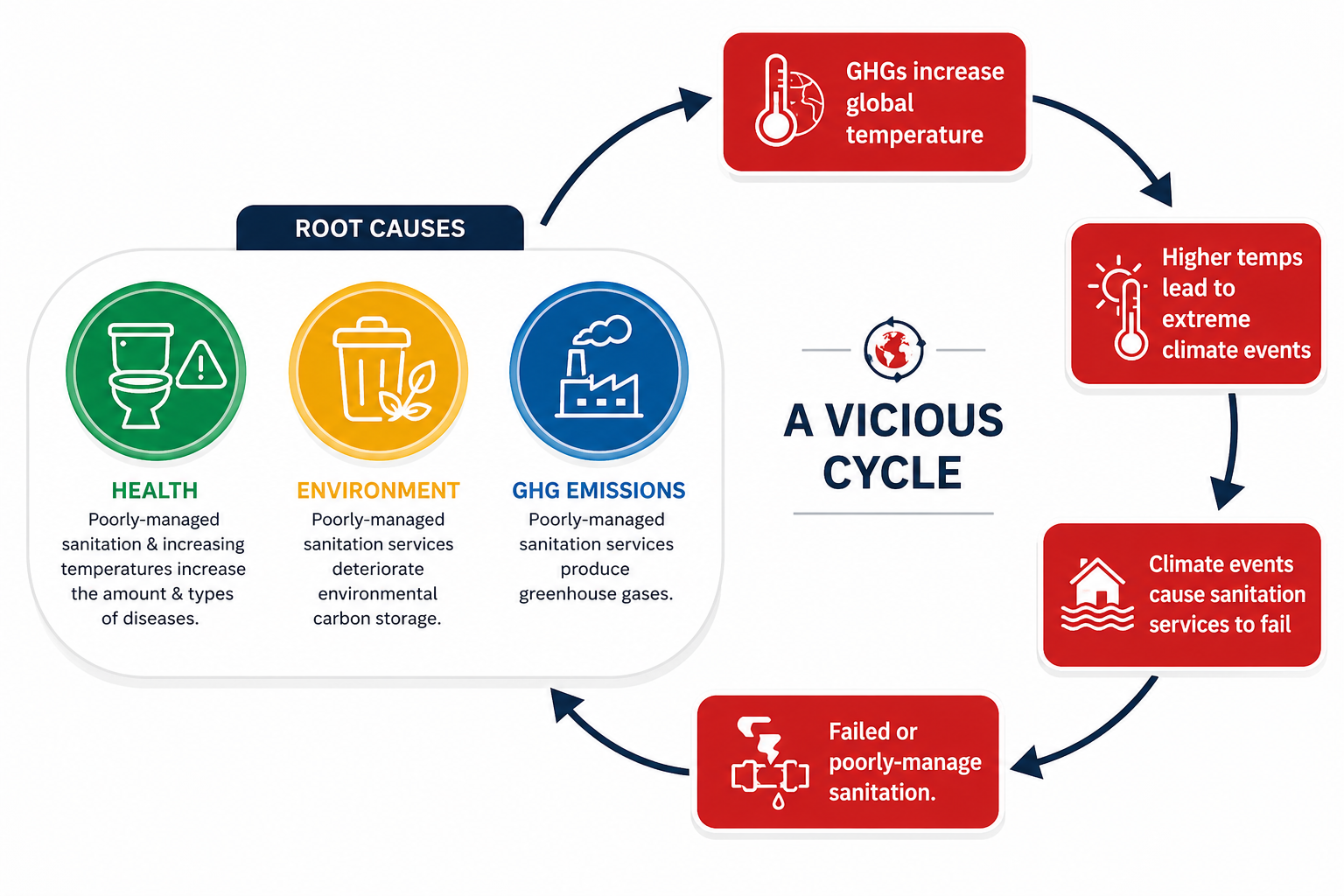
Figure 1 Interrelationship of sanitation and the climate crisis.
To address this situation, in 2022 the Climate Resilient Sanitation Coalition was launched in response to the joint Call to Action launched at COP27. The Coalition was formalised under the vision of:
Integrating sanitation into global and national climate policy & practice; and
integrating climate into global and national sanitation policy & practice.
The coalition is a growing collaboration of international organisations, research organisations and practitioners working collectively towards improved prioritisation, capacity and investment in climate resilient sanitation. Currently Coalition members represent almost 35 organisations implementing climate resilient sanitation (CRS) programs in almost 80 countries.
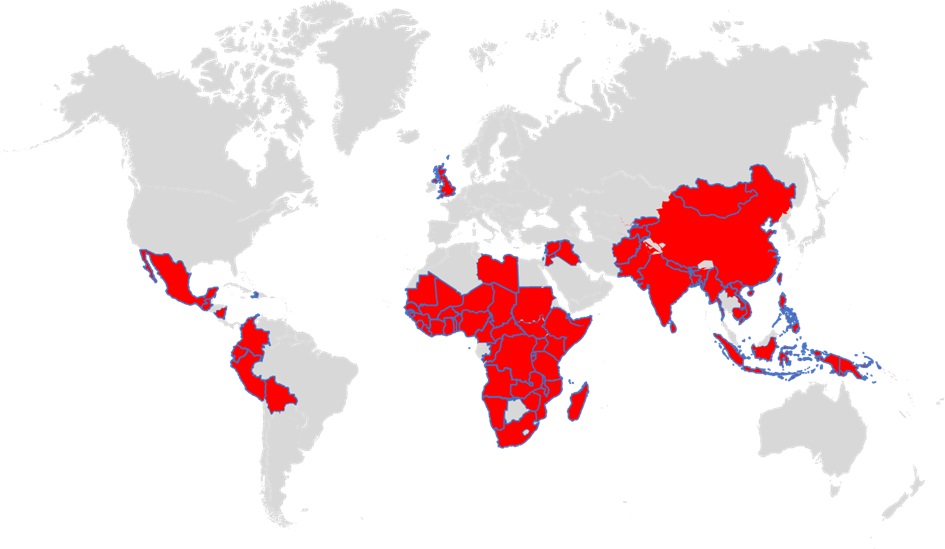
Figure 2 CRSC Member Activity Countries
Coalition Members
Activities
Operating at a global level, the Coalition currently has five workstreams:
- Integrate sanitation into global and national climate policy and practice (e.g., development of a sanitation annex for the GCF Global Guidelines).
- Support national governments with tools, evidence, and expertise to incorporate CRS into government policies, plans, and strategies (e.g., National Adaptation Plans and Nationally Determined Contributions).
- Increase the prominence of sanitation in climate discussions through active dissemination of evidence and experiences.
- Attract finance to the climate resilient sanitation sector, including developing the relevant climate rationale.
- Build the evidence base for climate resilient sanitation, including in connection with adjacent sectors (e.g., water supply, solid waste management, agriculture, ecosystem management, education, health, environment, etc.)
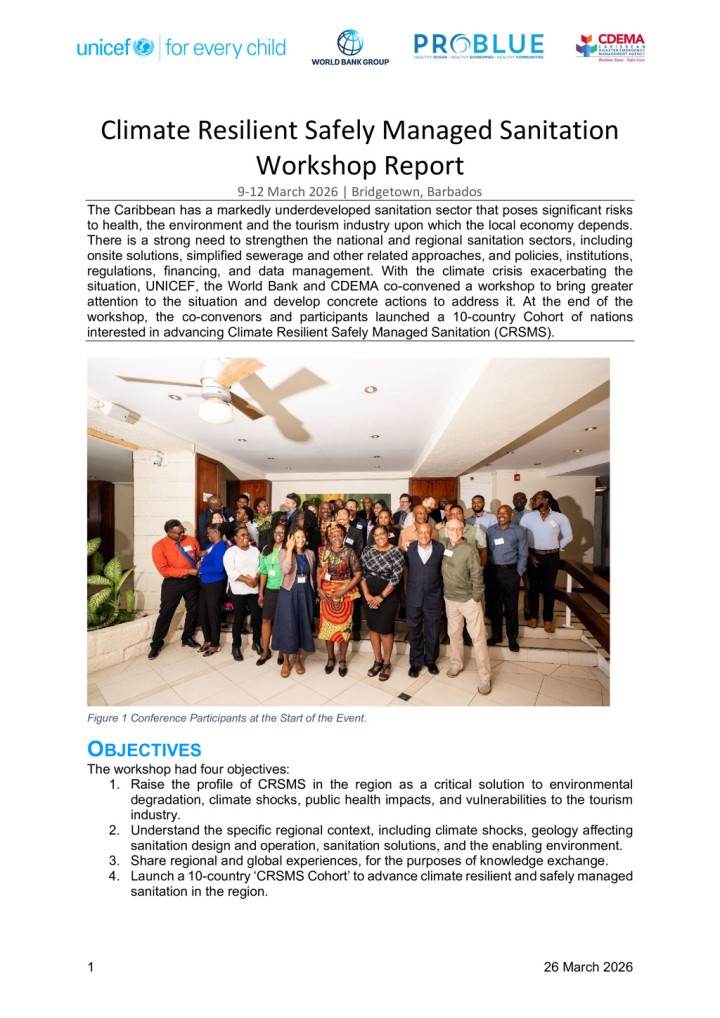
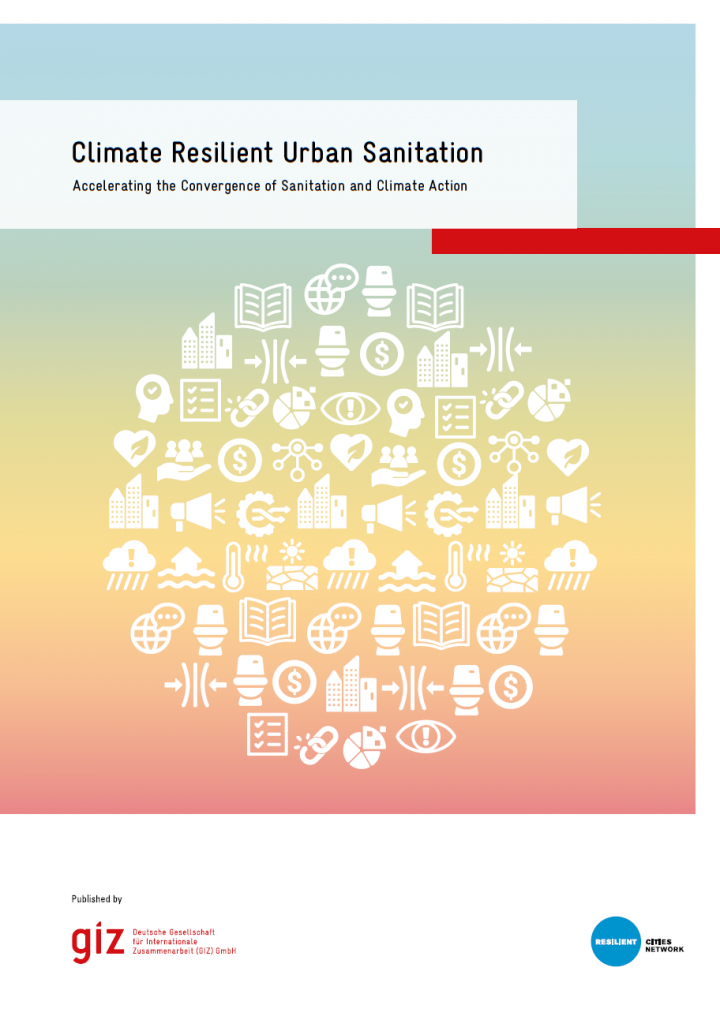
The Caribbean has a markedly underdeveloped sanitation sector that poses significant risks to health, the environment and the tourism industry upon which the local economy depends. There is a strong need to strengthen the national and regional sanitation sectors, including onsite solutions, simplified sewerage and other related approaches, and policies, […] This infographic highlights how climate change threatens sanitation systems and, in turn, public health, ecosystems, and economies. It illustrates ten key impacts - from flooding, storms, and droughts to sea level rise and groundwater contamination- showing how fragile sanitation infrastructure can trigger cascading effects on tourism, marine ecosystems, and essential […] Cities are incredibly vulnerable to climate change. Although sanitation is a critical urban system and service, it is not widely considered a climate change issue. While water has long been recognized as a central component of climate change adaptation, there is only sparse research and evidence on the impacts of […] Sustainable Sanitation is highly relevant for the achievement of three international frameworks: The Paris Agreement, the Sendai Framework and the 2030 Agenda. A sustainable future is impossible without universal access to safe, well-functioning and context-appropriate sanitation services. Until this is achieved, sanitation shortfalls will increase the risks human populations face […] Climate change represents the most significant challenge of the twenty-first century and poses risks to water and sanitation services. Concerns for water supply include damage to infrastructure from flooding, loss of water sources due to declining rainfall and increasing demand, and changes in the water quality of water sources and […] Climate change and its impacts can be seen in many regions around the world and is having a major effect on the large water cycle, resulting in rising sea levels, disrupted seasonal rainfall patterns, a rise in average global temperatures, droughts, heatwaves and more frequent extreme weather events.
These climate-related hazards […]
CRS Coalition (2026)
Climate Resilient Safely Managed Sanitation Workshop Report
Climate Resilient Sanitation Coalition (2025)
Climate Resilient Sanitation Infographic
Mikhael, G., Hyde-Smith, L., Twyman, B., Trancón, D. S., Jabagi, E., & Bamford, E. (2021)
Climate Resilient Urban Sanitation
Accelerating the Convergence of Sanitation and Climate Action
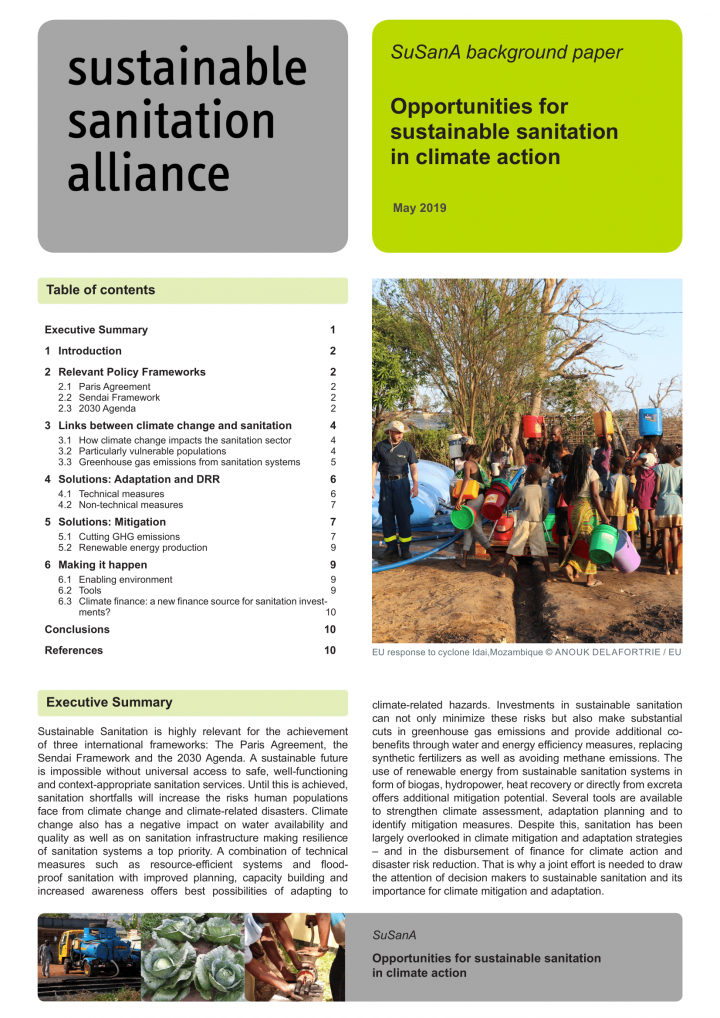
Andersson, K., Reckerzuegl, T., Michels, A., Rüd, S. (2019)
Opportunities for sustainable sanitation in climate action - Factsheet of Working Group 3
Howard, G., Calow, R., Macdonald, A., Bartram, J. (2016)
Climate Change and Water and Sanitation: Likely Impacts and Emerging Trends for Action
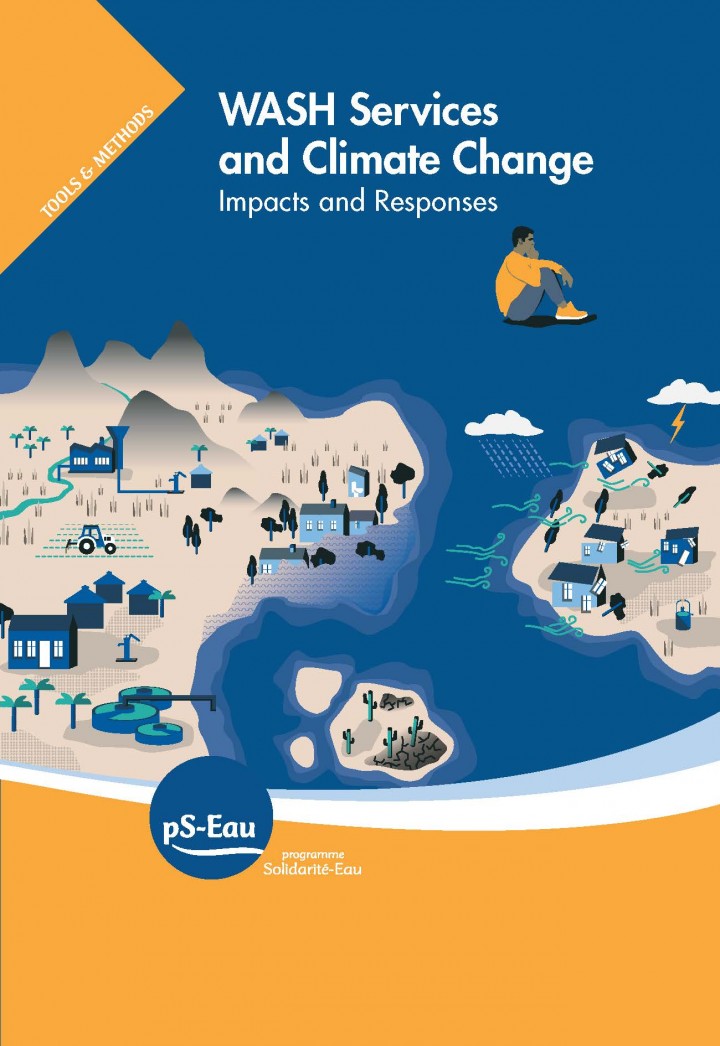
pS-Eau (2018)
WASH Services and Climate Change (in English and French)
Impacts and Responses

Key external products
A call to action for accelaration GCF Water Project Design Guidelines
- Why Sanitation is Critical for Action Towards the Global Methane Pledge
- Linking with climate sector to achieve safely managed and climate-resilient sanitation
- Why we need strong systems to ensure progress on safely managed sanitation
Nupur Khanna; Tanvi Oza; Paul Johnston (2023)
Climate Finance for WASH: Papua New Guinea
Water, sanitation and hygiene (WASH) is integral to supporting community climate resilience that ensures no one is left behind. Inclusive, climate-resilient WASH goes beyond infrastructure to ensure that solutions meet the needs of the most marginalised and can continue functioning in the face of climate hazards. Accessing climate adaptation financing […]
Habib Ur Rehman; David Clatworthy (2023)
Climate Finance for WASH: Pakistan
Water, sanitation and hygiene (WASH) is integral to supporting community climate resilience that ensures no one is left behind. Inclusive, climate-resilient WASH goes beyond infrastructure to ensure that solutions meet the needs of the most marginalised and can continue functioning in the face of climate hazards. Accessing climate adaptation financing […]
Water for Women (2022)
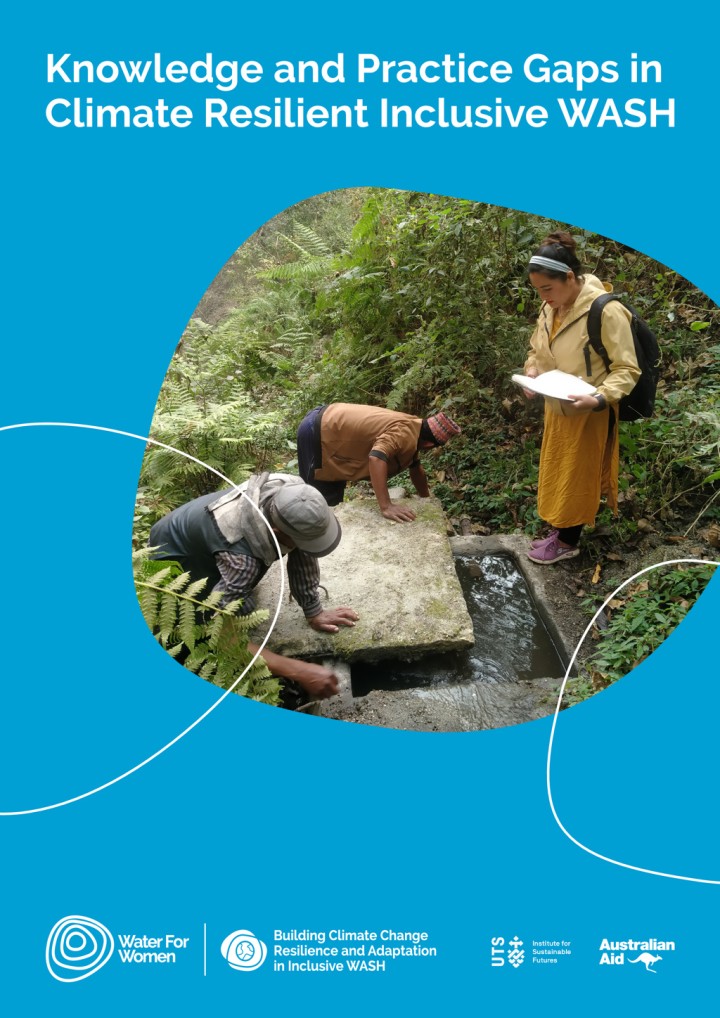
Knowledge and Practice Gaps in Climate Resilient Inclusive WASH
This report outlines the unique strengths and contributions that Water for Women can make to building climate change resilience and adaptation in inclusive water, sanitation and hygiene (WASH), through contributions to the regional and global WASH sector and enhanced internal capacity.
Water for Women (2025)
Integrating Risk and Resilience for Climate-Resilient WASH Programming
This brief shares key findings and insights from the first learning group (1) about integrating risk and resilience considerations for climate-resilient WASH programming. Definitions of climate risk and resilience and the application of the concepts are diverse and still evolving, including for the WASH sector. • ‘Climate risk’ is commonly […]
Green Climate Fund (GFC) (2024)
Annex III: Practical guidelines for designing climate-resilient sanitation projects
Water Security Sectoral Guide
The practical guidelines for designing climate-resilient sanitation projects provide a framework for developing projects that address sanitation and climate change, including adaptation and mitigation strategies. It supports governments and development partners seeking Green Climate Fund (GCF) funding for climate resilient sanitation services, which can better cope with and be restored […]
Nasser Tuqan and Elise Mann on behalf of the Climate Resilient Sanitation Coalition (CRSC) (2024)
Bridging Borders: The Role of Climate-Resilient Sanitation in Global Peace and Sustainability
CRSC Article - SIWI World Water Week 2024
As SIWI World Water Week 2024 kicks off in Stockholm this week, we are reminded of the profound importance of water and sanitation cooperation in fostering peace and security across the globe. This year's theme, "Bridging Borders: Water for a Peaceful and Sustainable Future," reminds us of the intricate interconnections […]
Howard, G., Calow, R., Macdonald, A., Bartram, J. (2016)
Climate Change and Water and Sanitation: Likely Impacts and Emerging Trends for Action
Climate change represents the most significant challenge of the twenty-first century and poses risks to water and sanitation services. Concerns for water supply include damage to infrastructure from flooding, loss of water sources due to declining rainfall and increasing demand, and changes in the water quality of water sources and […]
pS-Eau (2018)
WASH Services and Climate Change (in English and French)
Impacts and Responses
Climate change and its impacts can be seen in many regions around the world and is having a major effect on the large water cycle, resulting in rising sea levels, disrupted seasonal rainfall patterns, a rise in average global temperatures, droughts, heatwaves and more frequent extreme weather events. These climate-related hazards […]
Webinar Resources
All webinar resources can be collectively found in the following supage: Climate Resilient Sanitation Coalition Webinars
Working Group Leads
Juliet Willetts
Professor & Research Director
UTS • Australia
Professor Juliet Willetts leads applied research to improve development policy and practice, addressing social justice and supporting sustainable development. She is a recognised expert in water and sanitation in Asia and the Pacific, also making significant contributions to gender equality, climate resilience, governance and accountability, urban development, monitoring, evaluation and development effectiveness.
Ann Thomas
Senior Advisor, Sanitation and Hygiene (UNICEF)
New York • USA
Ann Thomas is Senior Advisor, Sanitation and Hygiene at UNICEF. She is an environmental engineer with over two decades of development experience, within the UN system and aid organizations in Latin America, Africa and Asia. Her passion is driving strategic policy decisions in the WASH sector – an often-overlooked investment-multiplier in emerging economies – that translate directly to improved health and economic development outcomes.
If you wish to join the coalition and exchange with other members on climate resilient sanitation, please reach out to the working group leads.