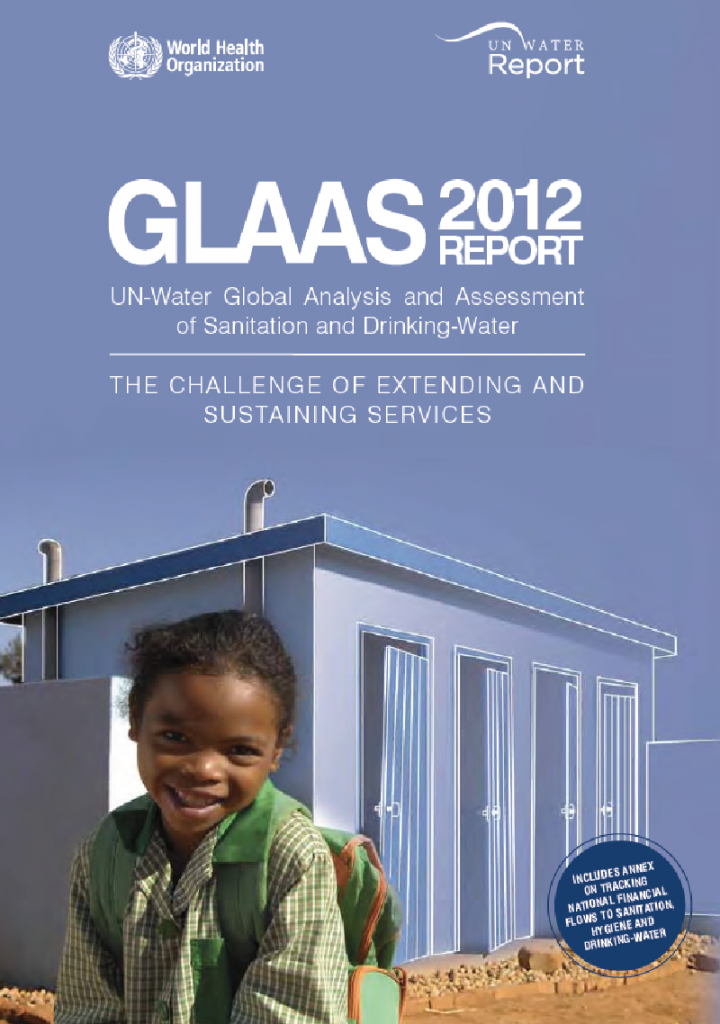
WHO, UN-Water (2012) UN-Water Global Annual Assessment of Sanitation and Drinking-Water (GLAAS) 2012 Report (in Arabic, English, French and Russian) The Challenge of Extending and Sustaining Services
This second UN-Water GLAAS report presents data received from 74 developing countries, covering all the Millennium Development Goal regions, and from 24 external support agencies, representing approximately 90% of official development assistance for sanitation and drinking-water. 1. Sections 1 and 2 of the report describe the efforts of countries to be accountable and to plan and coordinate effectively. 2. Section 3 presents data on financial flows. 3. Section […]
Online since: 28.01.2019
Views: 1240
Downloads: 1063
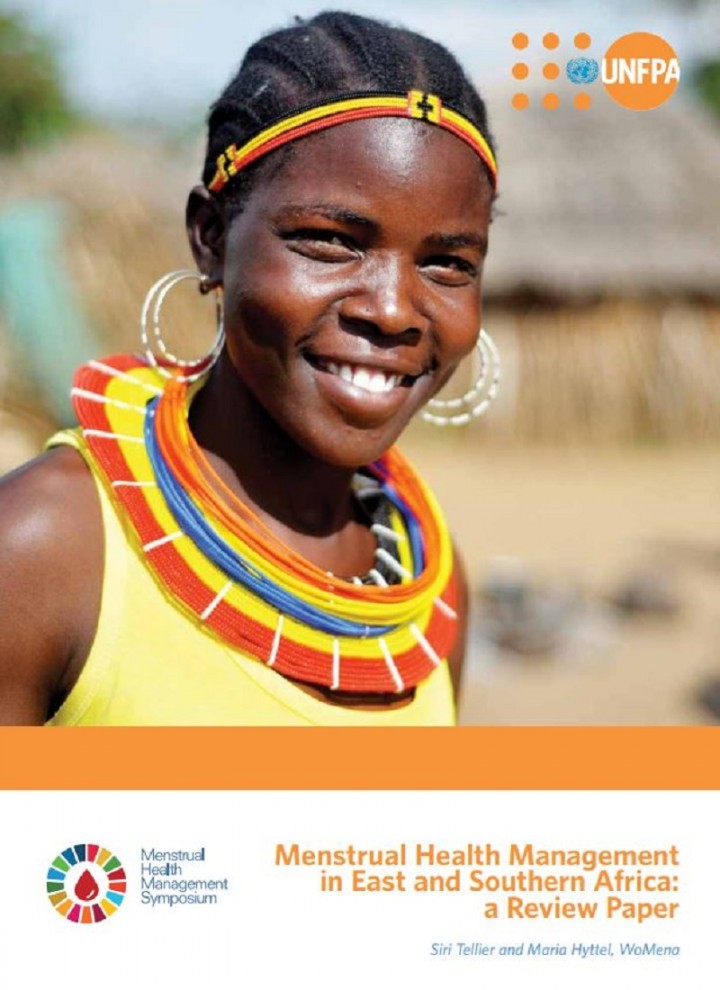
Tellier, S., Hyttel, M. (2018) Menstrual Health Management in East and Southern Africa: a Review Paper
The review paper aims to identify possible linkages to SRHR-related issues, and to provide an overview of MHM policies and programs in the ESA region, with a focus on education, school and community-based sexuality education, WASH, sexual and reproductive health, workplace support and humanitarian programming, as well as opening up the discussion regarding marginalized groups of women and girls such as disabled, prisoners and transgender […]
Online since: 16.01.2019
Views: 2213
Downloads: 290
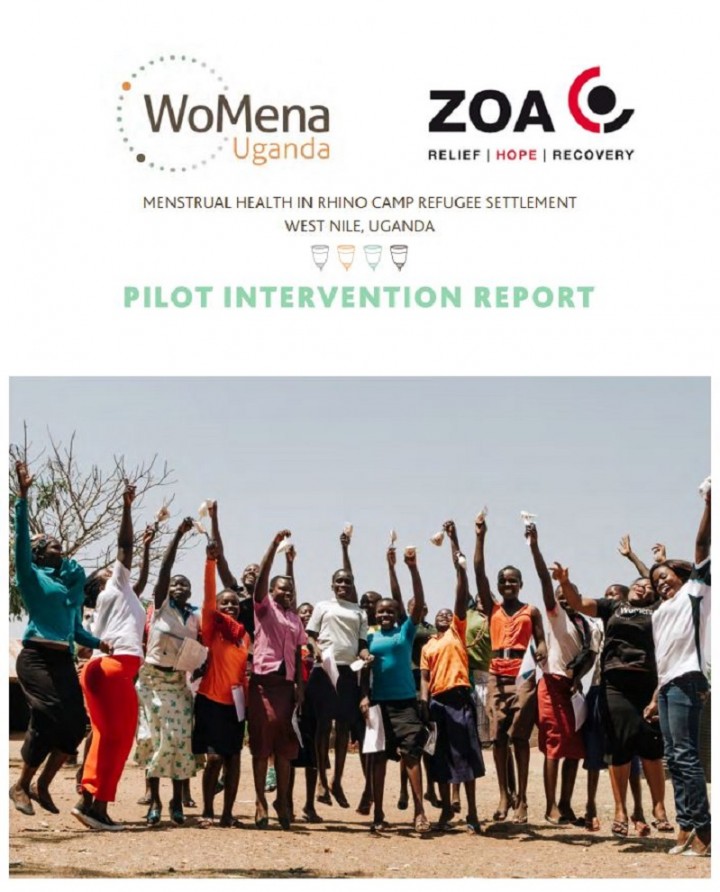
Gade, A., Hytti, L. (2017) Menstrual health in Rhino Camp refugee settlement, West Nile, Uganda Pilot project intervention report
A Menstrual Health pilot project by WoMena and ZOA implemented among South Sudanese refugees and host population in Rhino Camp Refugee Settlement in northern Uganda. The pilot involved 4 primary schools, including students, parents and teachers, over 6 months. 4 different distribution models were applied among the participants; one school got MCs only, one school got reusable pads only, one school could choose one of […]
Online since: 03.01.2019
Views: 4624
Downloads: 456
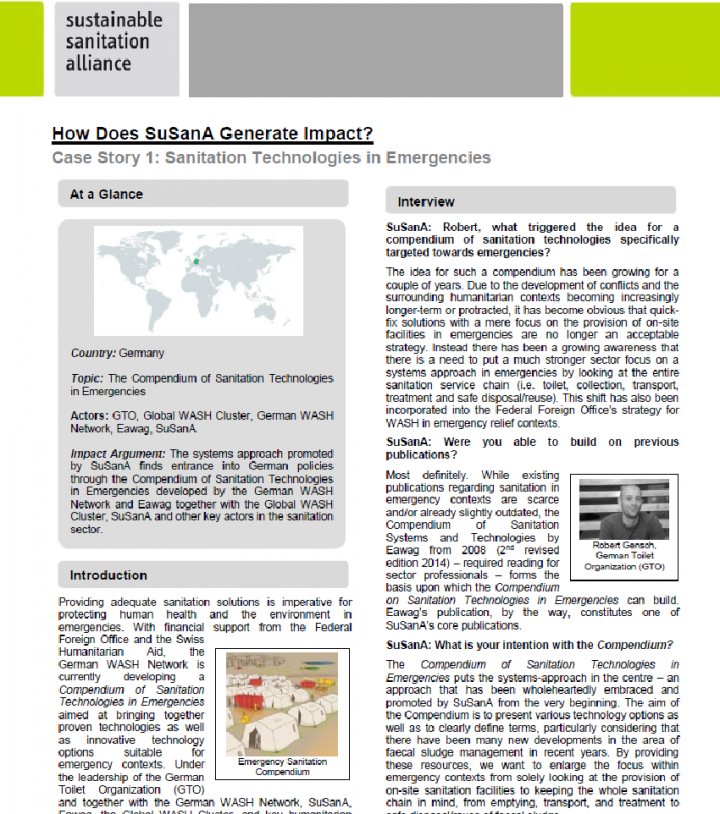
SuSanA (2019) How does SuSanA generate impact? A compilation of SuSanA Impact Stories
Selected sanitation projects from different parts of the world were requested to report on how SuSanA had influenced the work carried out. This resulted in a variety of evidence indicating that SuSanA can have a far-reaching effect providing expertise, convenor of meetings, a source of online information, networked contacts, discussion platform and a place to disseminate reports and publications. Case Story 1: Sanitation Technologies in Emergencies Case […]
Online since: 14.12.2018
Views: 6129
Downloads: 12848
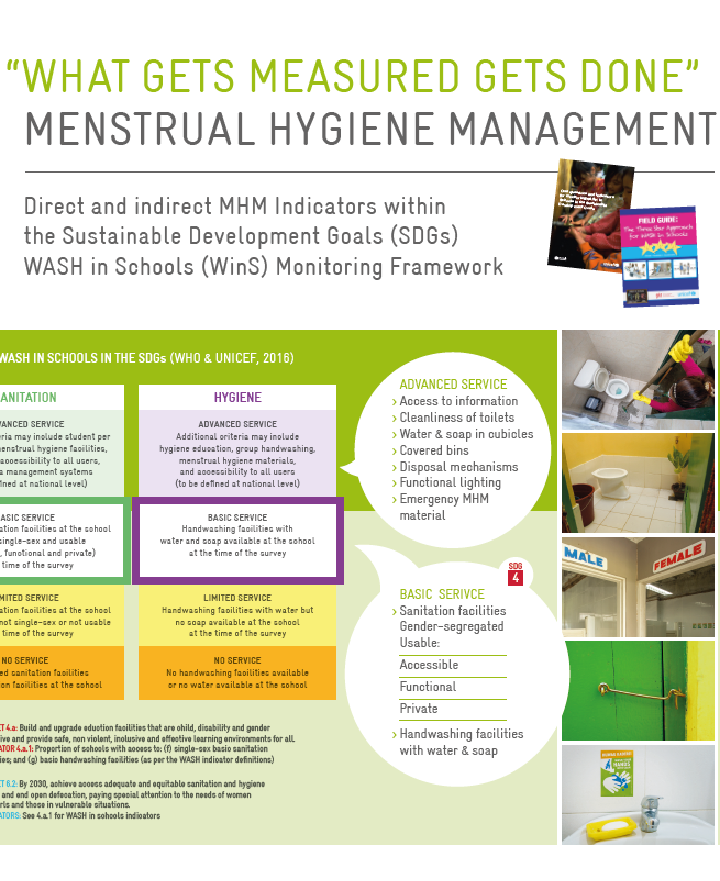
Deutsche Gesellschaft fuer Internationale Zusammenarbeit (GIZ), Eschborn, Germany (2018) Poster: What gets measured gets done Direct and indirect MHM indicators within the SDG WinS Monitoring Framework
There is a growing pool of evidence with regard to the effectiveness of school-based MHM interventions under WASH in Schools (WinS). This is because schools provide the ideal environment to reach all girls and boys and address taboos and misconceptions in a culturally sensitive manner. Ministries of Education (MoE) have the power and the responsibility to transform schools into places with MHM-friendly facilities that allow for […]
Online since: 12.12.2018
Views: 3995
Downloads: 420
UNICEF & WHO (2018) Core Questions and Indicators for Monitoring WASH in Schools in the SDGs - Update 2018
This updated document presents recommended core questions to support harmonised monitoring of WASH in schools as part of the SDGs. The questions map to harmonised indicator definitions of “basic” service and to service ladders that can be used to monitor progress. They are intended for use in national or sub-national facility surveys and census questionnaires. If national and sub-national surveys use the questions and response categories […]
Online since: 31.08.2018
Views: 2549
Downloads: 295
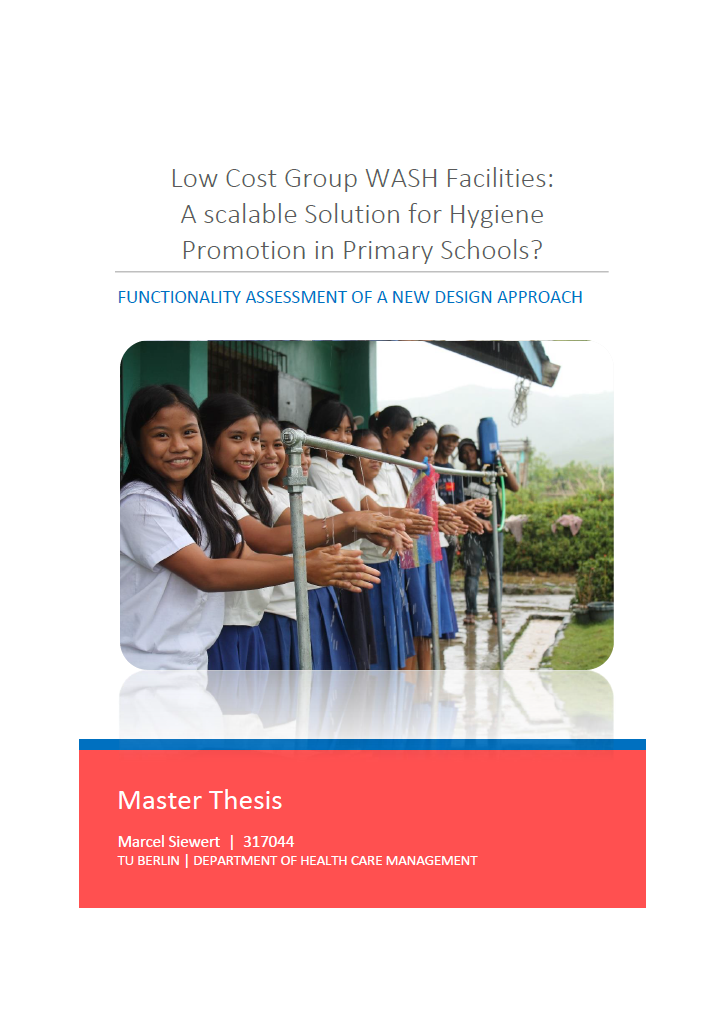
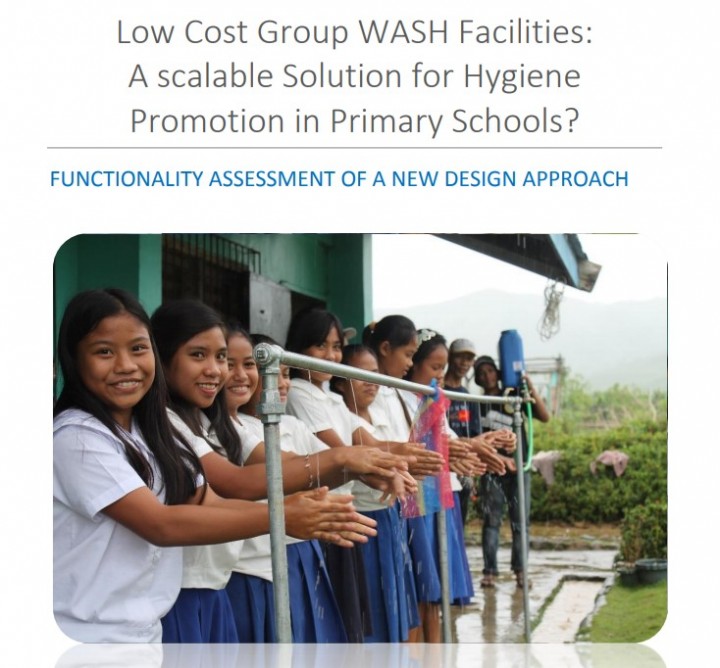
Siewert, M. (2015) Low Cost Group WASH Facilities: A scalable Solution for Hygiene Promotion in Primary Schools? Functionality Assessment of a new Design Approach
Online since: 14.08.2018
Views: 2079
Downloads: 237
Siewert, M. (2015) Low Cost Group WASH Facilities: A scalable Solution for Hygiene Promotion in Primary Schools? Functionality Assessment of a new Design Approach
Online since: 14.08.2018
Views: 3089
Downloads: 242
DepED (2017) DepED Philippines National Guidelines for WASH in Schools Three Star Approach: What you need to know
Guidelines for School-Based-Management (SBM) for WASH in Schools
Online since: 27.07.2018
Views: 11130
Downloads: 1920
WHO & UNICEF (2016) Core Questions and Indicators for Monitoring WASH in Schools in the SDGs
Through expert consultations, the JMP has developed core questions for monitoring water, sanitation and hygiene at home, schools and health centres. The document contains core and expanded indicators related and specific to MHM and infrastructure in schools.
Online since: 05.07.2018
Views: 3894
Downloads: 556
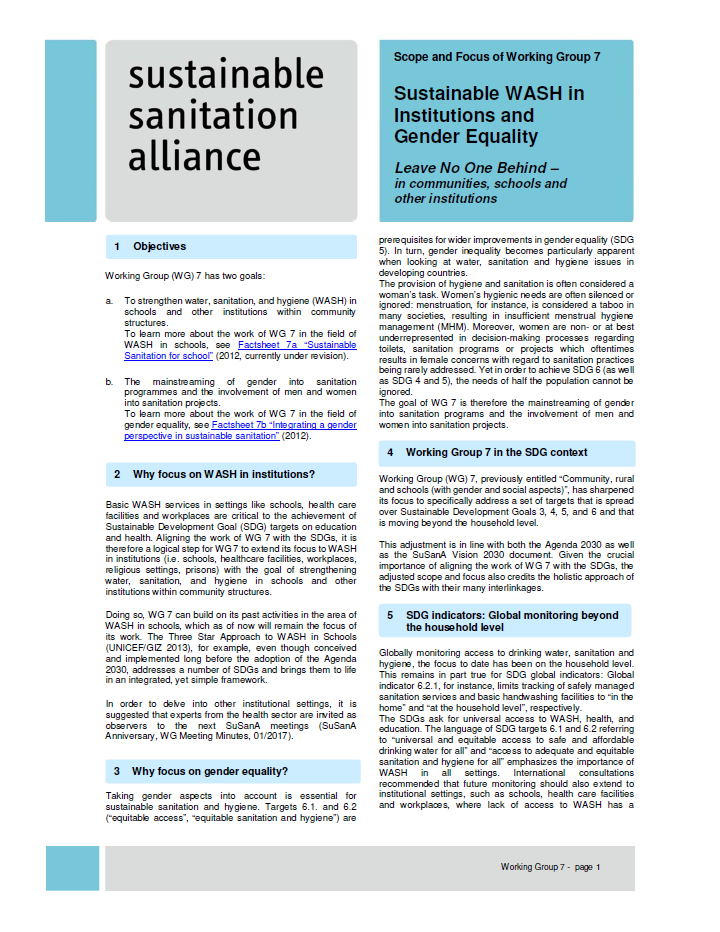
Abraham, B., Monse, B., Schlenk, J. & Wendland, C. (2018) Sustainable WASH in Institutions and Gender Equality Scope and Focus of Working Group 7
The scope and focus document of SuSanA Working Group (WG) 7 Sustainable WASH in Institutions and Gender Equality (Leave No One Behind – in communities, schools and other institutions) WG 7 has two goals: a. To strengthen water, sanitation, and hygiene (WASH) in schools and other institutions within community structures. To learn more about the work of WG 7 in the field of WASH in schools, see Factsheet […]
Online since: 02.07.2018
Views: 5554
Downloads: 447
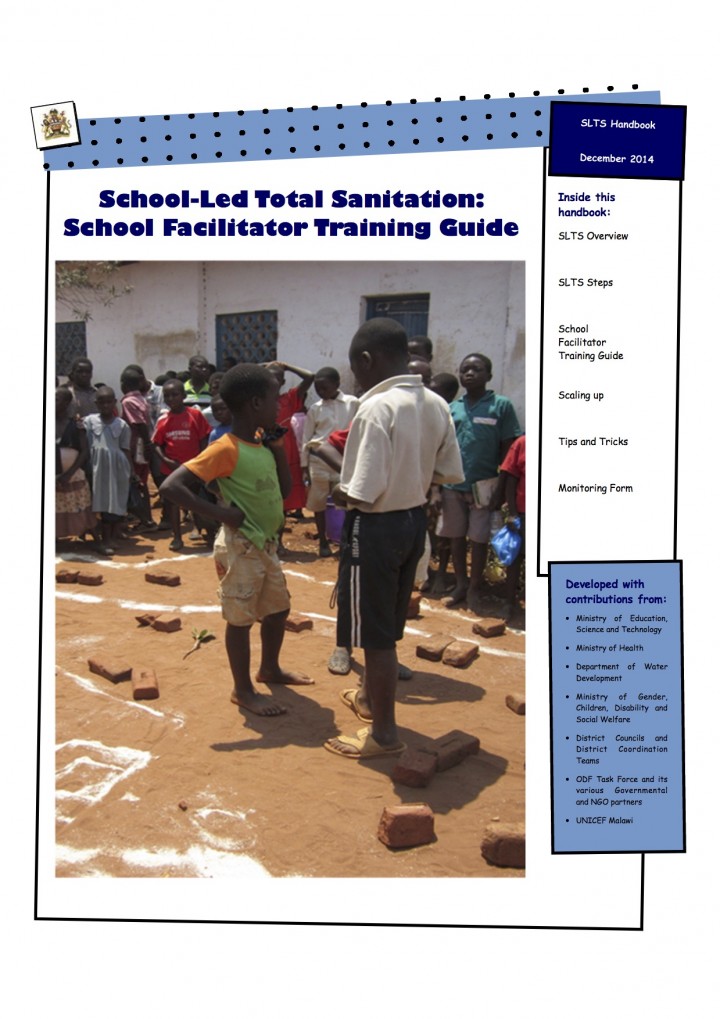
Ministry of Education, Science and Technology, Malawi (2015) School-Led Total Sanitation: School Facilitator Training Guide
Despite massive efforts by governmental and NGO partners and other development agencies toward ODF Malawi by 2015, there are still a lot of works to be done. The ODF Malawi National Strategy addresses School-Led Total Sanitation (SLTS) as an effective approach to create ODF communities. It takes the dynamics of children into consideration as Agents of Change in triggering and monitoring good sanitation and hygiene […]
Online since: 05.06.2018
Views: 3553
Downloads: 0
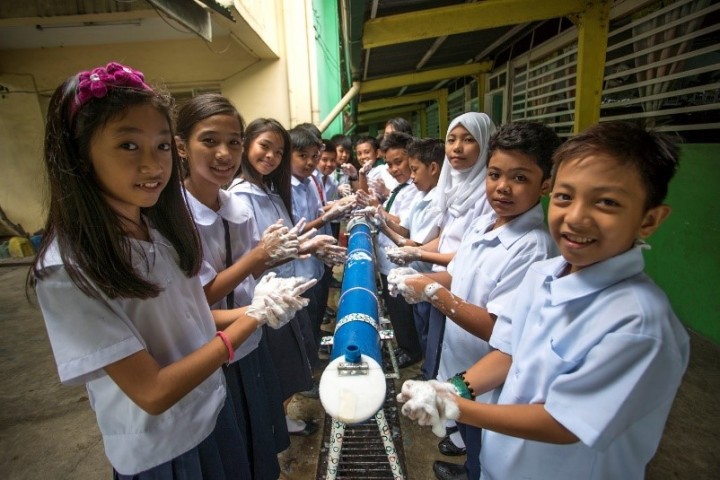
GIZ (2018) Webinar on the WASHaLOT 3.0 Webinar on the prefabricated (group-) handwashing facility WASHaLOT 3.0
The WASHaLOT 3.0 is a prefabricated handwashing facility that accommodate washing activities of 20 persons at a time. It is currently being used in public schools in the Philippines to address the need for schools to facilitate handwashing prior to eating and thereby establish daily hygiene practice in schools. The facility has the potential to be used in other contexts such as day care centers, […]
Online since: 24.05.2018
Views: 3547
Downloads: 0
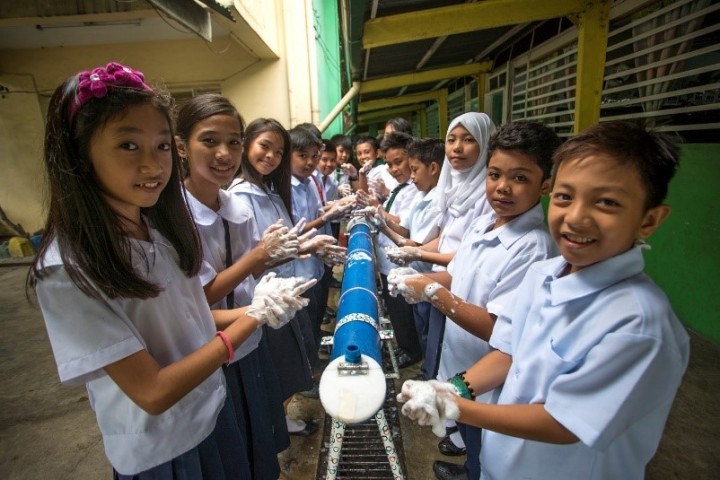
GIZ (2018) WASHaLOT 3.0 Webinar Presentation Presentation of Development and Technical Applicability Framework of the group-handwashing facility WASHaLOT
The WASHaLOT 3.0 is a prefabricated handwashing facility that accommodate washing activities of 20 persons at a time. It is currently being used in public schools in the Philippines to address the need for schools to facilitate handwashing prior to eating and thereby establish daily hygiene practice in schools. The facility has the potential to be used in other contexts such as day care centers, […]
Online since: 24.05.2018
Views: 2743
Downloads: 294
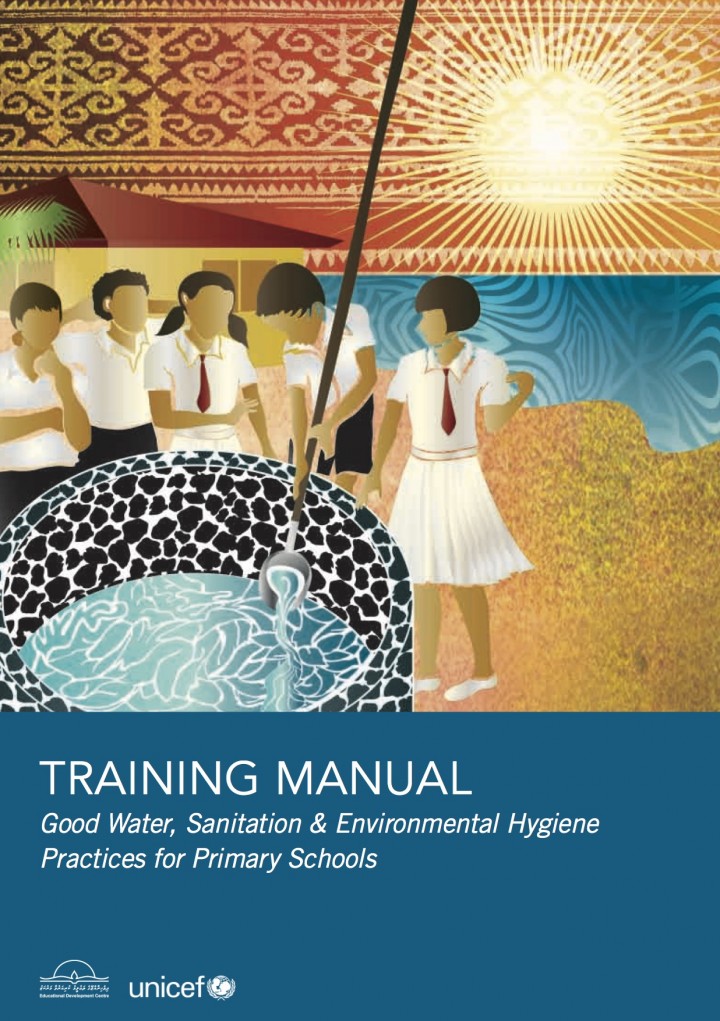
Shafeeqa, F., Shazna, M., Glen, E., Henderson, R. (2008) Training Manual Good water, sanitation and environmental hygiene practices for primary schools
This training manual is a practical guide to be used by teachers and school health assistants who are involved in the promotion of water, sanitation and hygiene practices (WASH). School WASH education is a specific part of the wider school health education program that deals only with water and sanitation-related health problems in and around the school. The manual has been designed to provide the necessary […]
Online since: 27.04.2018
Views: 2144
Downloads: 0
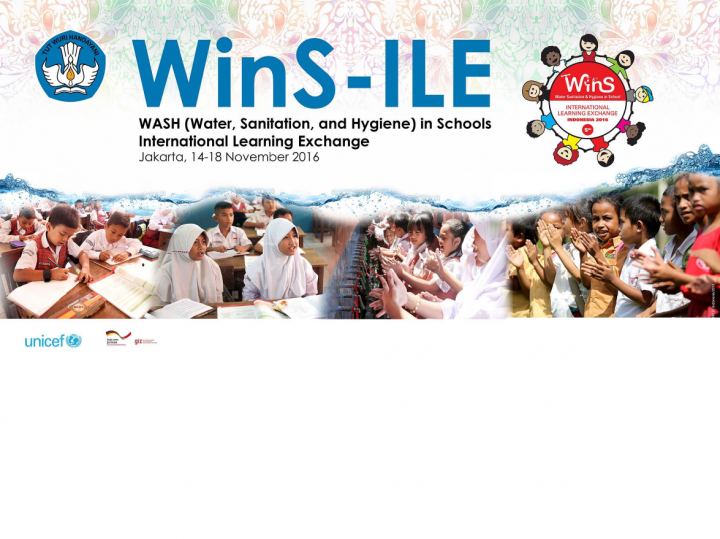
Various Authors (2016) International Learning Exchange (ILE) - Jakarta, Indonesia Conference materials
On 14 - 18 November 2016, 160 Experts from 16 Asian countries came together in Jakarta to exchange their experience regarding innovative WASH in Schools (WinS) approaches. The 5th WASH in Schools International Learning Exchange (ILE), was hosted by the Ministry of Education and Culture of Indonesia – with support from UNICEF and GIZ. The conference concluded with a general agreement among the participants that WinS […]
Online since: 09.04.2018
Views: 2106
Downloads: 1685
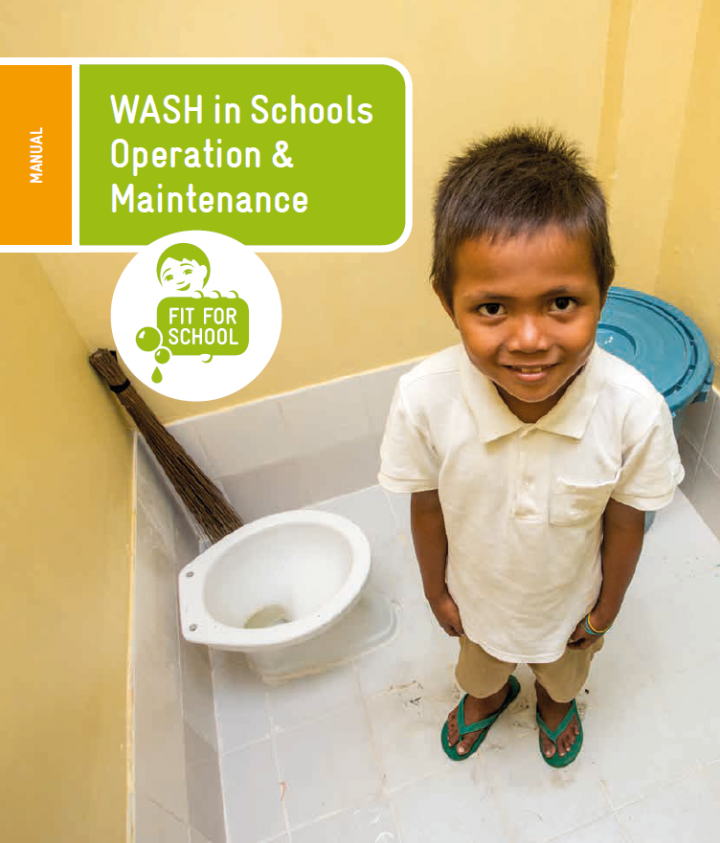
Fit For School (2017) WASH in Schools Operation & Maintenance Manual FIT for School
This manual is used in selected schools in the Division of Batangas in the context of researching the conditions to improve O&M of sanitation facilities in public elementary schools in the Philippines. Users of this manual are highly encouraged to provide feedback on their experience using this tool to improve the next edition. The learnings of this research project are supporting the further roll out […]
Online since: 21.03.2018
Views: 5578
Downloads: 571
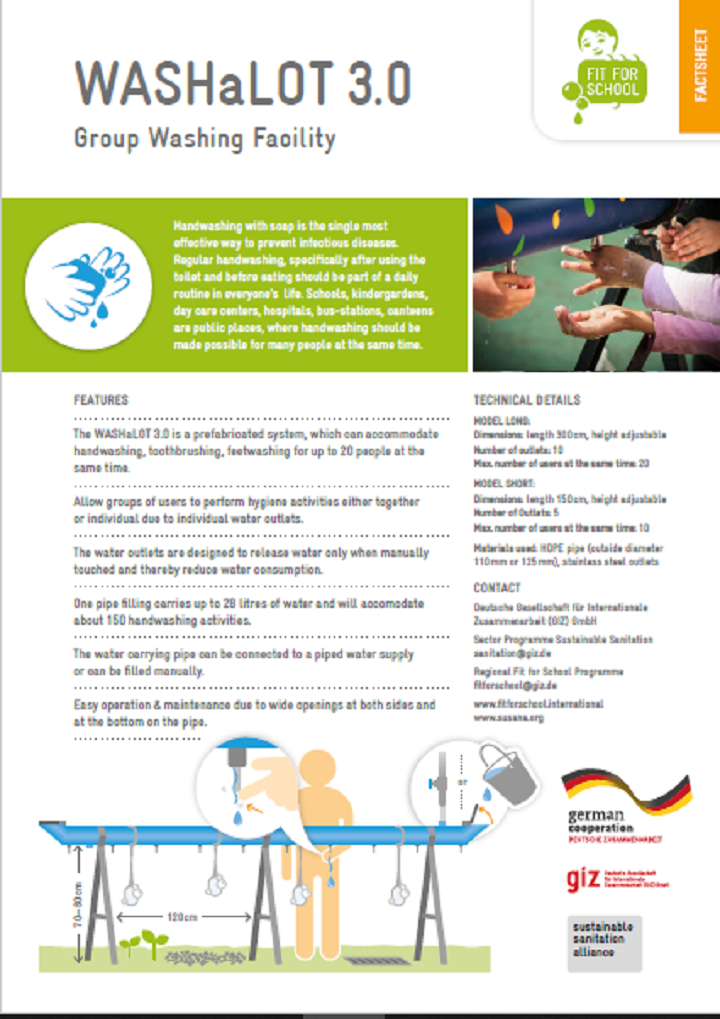
GIZ (2020) Group Washing Facility - WASHaLOT 3.0
Handwashing with soap is the single most effective way to prevent infectious diseases. Regular handwashing, specifically after using the toilet and before eating should be part of a daily routine in everyone’s life. Schools, kindergardens, day care centers, hospitals, bus-stations, canteens are public places, where handwashing should be made possible for many people at the same time. In the context of COVID-19, adjustments and recommendations […]
Online since: 07.12.2017
Views: 5833
Downloads: 1428
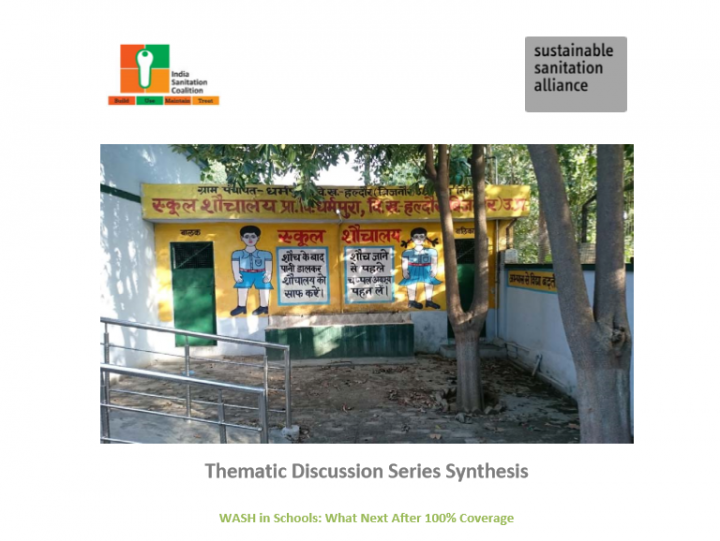
Jacob, N. (2017) WASH in Schools - What's next after 100% coverage? - A Thematic Discussion Series Synthesis hosted by the SuSanA India Chapter and India Sanitation Coalition
From 4 – 23 September 2017, the India Santation Coalition under the umbrella of the SuSanA India Chapter organised a thematic online discussion about WASH in Schools in India. The discussion examined how to improve WinS to a level where boys and girls have separate and adequate toilets, hand-washing facilities, hygiene is addressed in schools, and adolescent girls have […]
Online since: 17.11.2017
Views: 4987
Downloads: 789
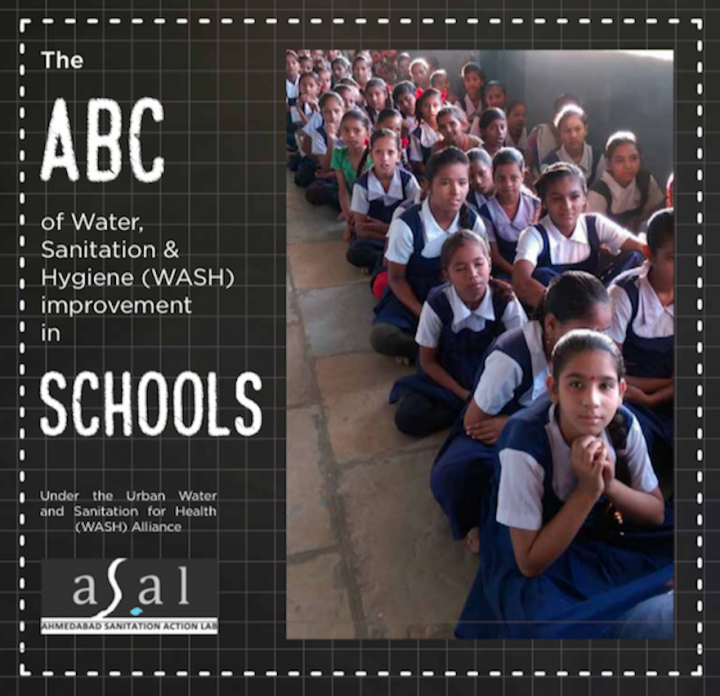
Urban Management Centre (UMC) (2017) The ABC of WASH in Schools in India
"The ABC of water, sanitation and hygiene (WASH) improvement in schools” in India by the the Urban Management Centre is a handbook developed under the Ahmedabad Sanitation Action Lab (ASAL), a three year action research program. The program was specially designed to implement innovative solutions to school WASH problems in identified slum settlements of Ahmedabad. ASAL was led by the Urban Management Centre (UMC) in […]
Online since: 07.11.2017
Views: 3582
Downloads: 314