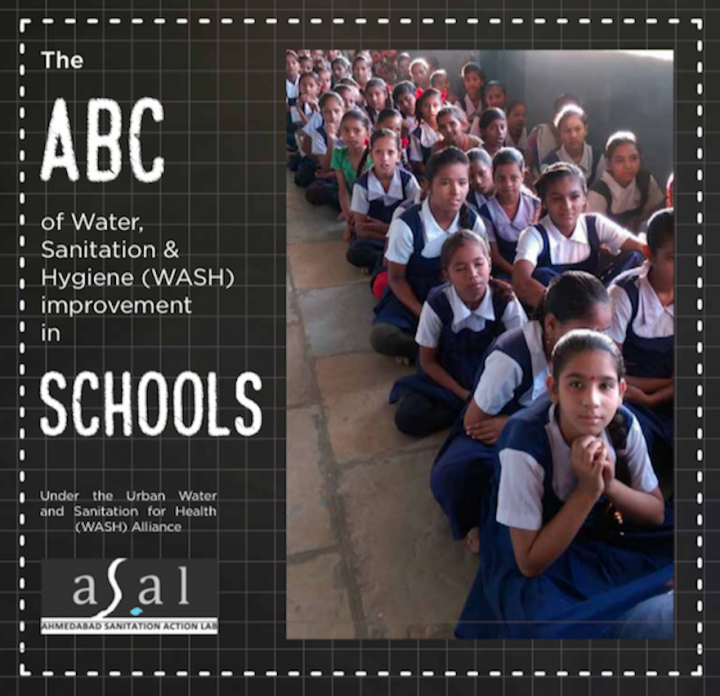
Urban Management Centre (UMC) (2017) The ABC of WASH in Schools in India
"The ABC of water, sanitation and hygiene (WASH) improvement in schools” in India by the the Urban Management Centre is a handbook developed under the Ahmedabad Sanitation Action Lab (ASAL), a three year action research program. The program was specially designed to implement innovative solutions to school WASH problems in identified slum settlements of Ahmedabad. ASAL was led by the Urban Management Centre (UMC) in […]
Online since: 07.11.2017
Views: 3582
Downloads: 362
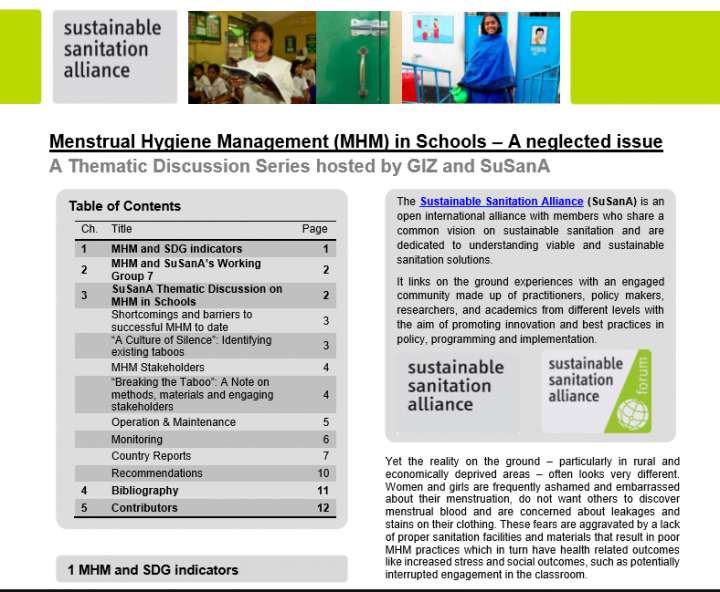
Dauenhauer, K., Büürma, M., Schlenk, J., Sommer, M., Mahon, T. (2017) Menstrual Hygiene Management (MHM) in Schools: A neglected issue - A Thematic Discussion Series hosted by GIZ and SuSanA
Menstrual Hygiene Management (MHM) refers to the way in which women and girls deal with their menstruation. Girls usually menstruate for the first time between the age of 10 and 15. Learning about menstruation is thus vital for secondary school students, but it is not too early to raise awareness in elementary school. Given the number of people affected by MHM in some way or […]
Online since: 24.10.2017
Views: 13156
Downloads: 1704
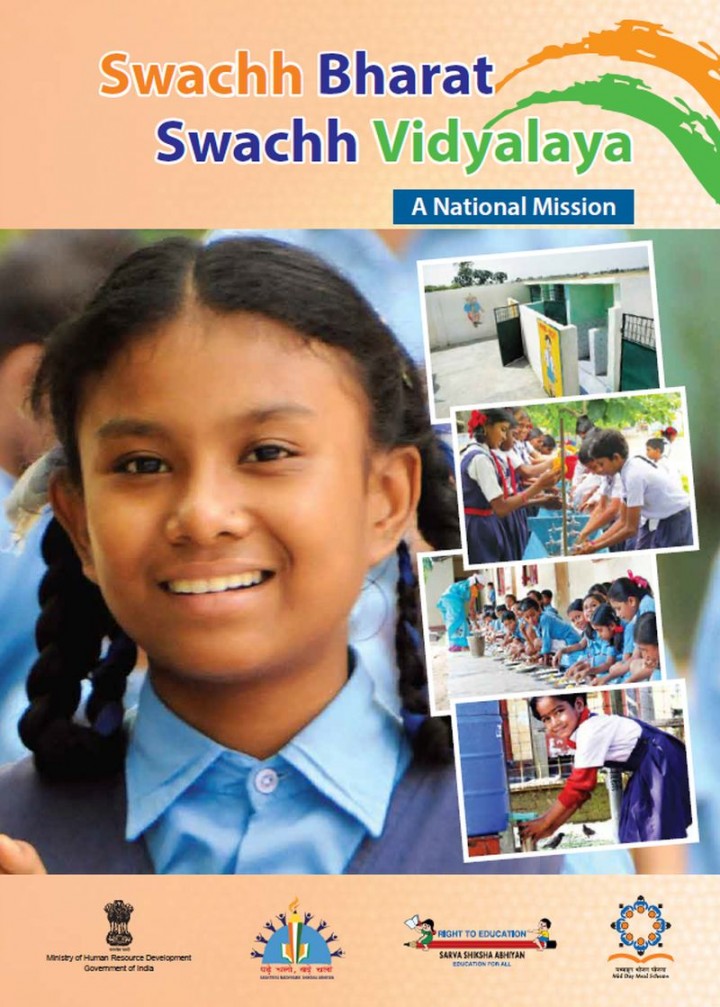
Ministry of Human Resource Development (2014) Clean India: Clean Schools A Handbook
Swachh Bharat: Swachh Vidyalaya is the national campaign driving ‘Clean India: Clean Schools’. A key feature of the campaign is to ensure that every school in India has a set of functioning and well maintained water, sanitation and hygiene facilities. Water, sanitation and hygiene in schools refers to a combination of technical and human development components that are necessary to produce a healthy school environment and to develop […]
Online since: 01.08.2017
Views: 5712
Downloads: 382
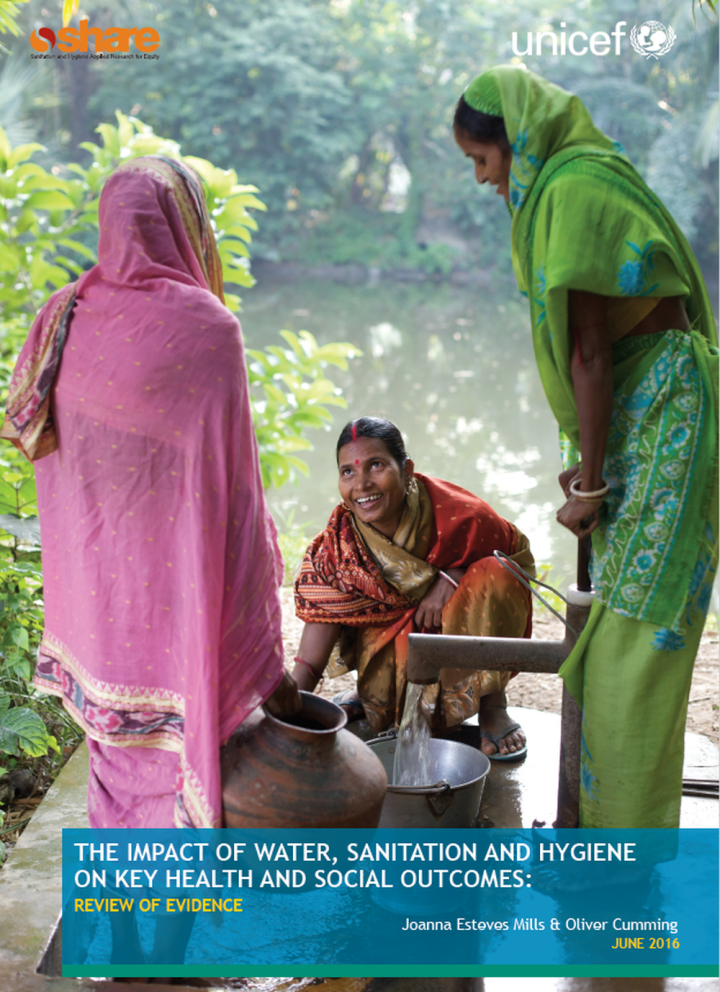
Mills, J. E., Cumming, O. (2016) The Impact of WASH on Key Health & Social Outcomes Review of Evidence
This evidence paper looks at 10 areas identified collaboratively with the United Nations Children’s Fund (UNICEF) on which WASH can plausibly have a strong impact: diarrhoea, nutrition, complementary food hygiene, female psychosocial stress, violence, maternal and newborn health, menstrual hygiene management, school attendance, oral vaccine performance, and neglected tropical diseases.
Online since: 08.05.2017
Views: 8715
Downloads: 14598
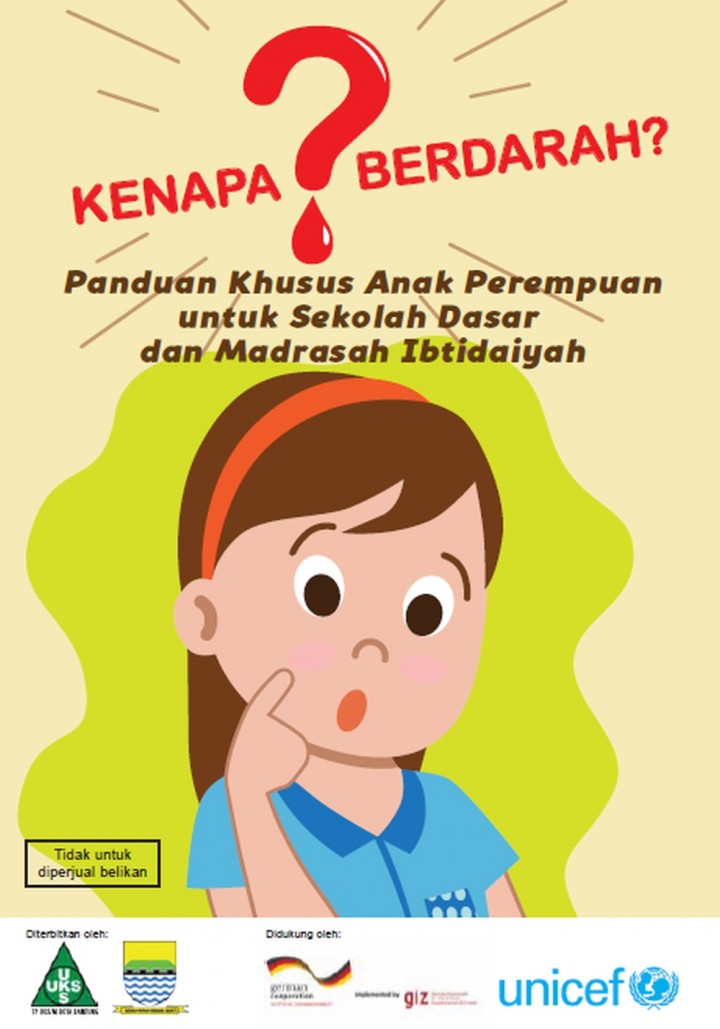
UKS, GIZ and UNICEF (2016) Kenapa Berdarah? “Why bleeding?”
A MHM comic in Bahasa Indonesia developed by UKS team and UNICEF, in collaboration with GIZ. This book aims to provide proper guidance for young women when they face periods, while at the same time providing education for young men to appreciate their female peers who are menstruating. This book was developed based on the results of a study on MHM in Indonesia conducted by […]
Online since: 24.03.2017
Views: 4308
Downloads: 354
Grossi, V., et al. (2016) The situation of water, sanitation and hygiene in schools in the pan-European region
Adequate access to water, hygiene and sanitation (WASH) is every human’s and child’s right. Ensuring WASH accessibility in schools is encompassed in the 2030 Agenda for Sustainable Development and is a priority area under the Protocol on Water and Health to the 1992 Convention on the Protection and Use of Transboundary Watercourses and International Lakes. This publication summarizes the status of WASH in schools in […]
Online since: 31.01.2017
Views: 4499
Downloads: 17
Baschinger, J. et al. (2015) Hygiene Schools and Hygiene
Water, sanitation an Hygiene (WASH) conditions are playing a big role in our everyday live. Having Information and knowledge as well as caring about hygiene can not only save lives and ensure better health but it could also help achieve educational, social and economic improvement. As we see it, schools, being a place of knowledge, are in a good position to get a massage across about […]
Online since: 31.01.2017
Views: 2923
Downloads: 237
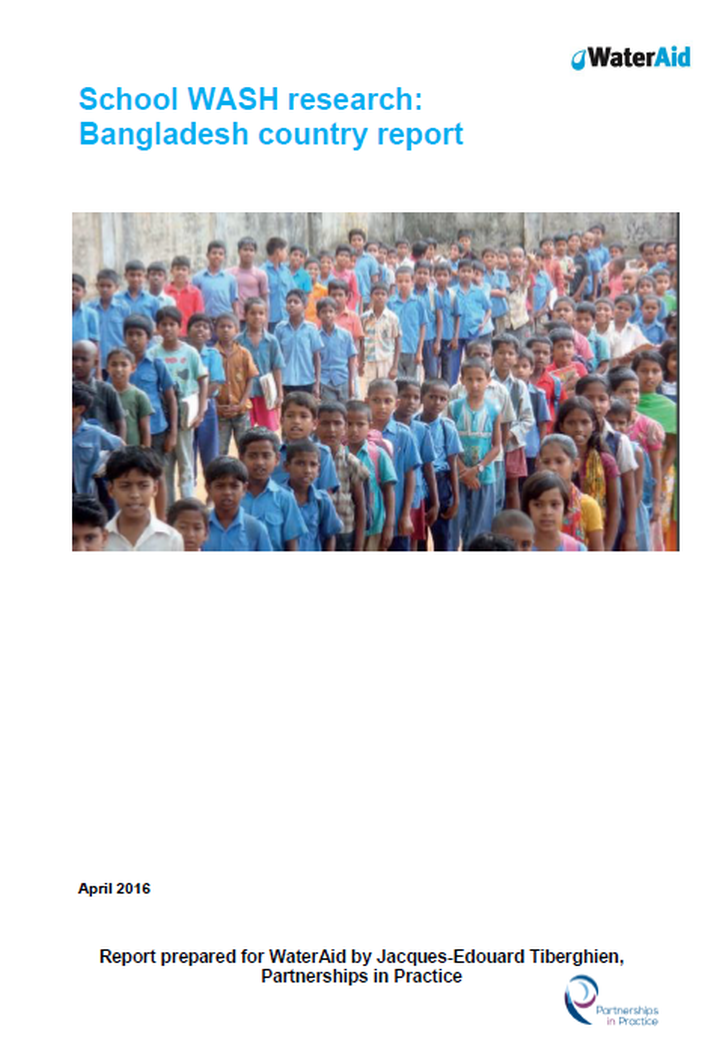
Tiberghien, J-E. (2016) School WASH reports Four reports analyse the status of water, sanitation and hygiene in schools in Bangladesh, Nepal, India and Pakistan.
Just 71% schools worldwide have a safe water supply – as few as 54% in sub-Saharan Africa, and just 69% have safe sanitation access – as few as 53% in sub-Saharan Africa (UNICEF 2015). Correct use, maintenance, and sustainability of school water, sanitation and hygiene (WASH) services, and hygiene behaviours, remain big challenges in many countries. WaterAid has conducted research in Bangladesh, India, Nepal, and […]
Online since: 27.01.2017
Views: 4379
Downloads: 3319
Hall, N. et al. (2016) Achieving the UN Sustainable Developement Goals for water and beyond Discussion Paper No.2
This transdisciplinary discussion paper, from 13 researchers across seven schools at The University of Queensland, considers Australia’s efforts to achieve the United Nations Sustainable Development Goals in Australia and within the broader Asia-Pacific region. It focuses particularly on those SDGs that are concerned with water, and it challenges the current steps being undertaken towards attaining the SDGs in both Australia and overseas. The recommendations identify […]
Online since: 21.12.2016
Views: 2721
Downloads: 4527
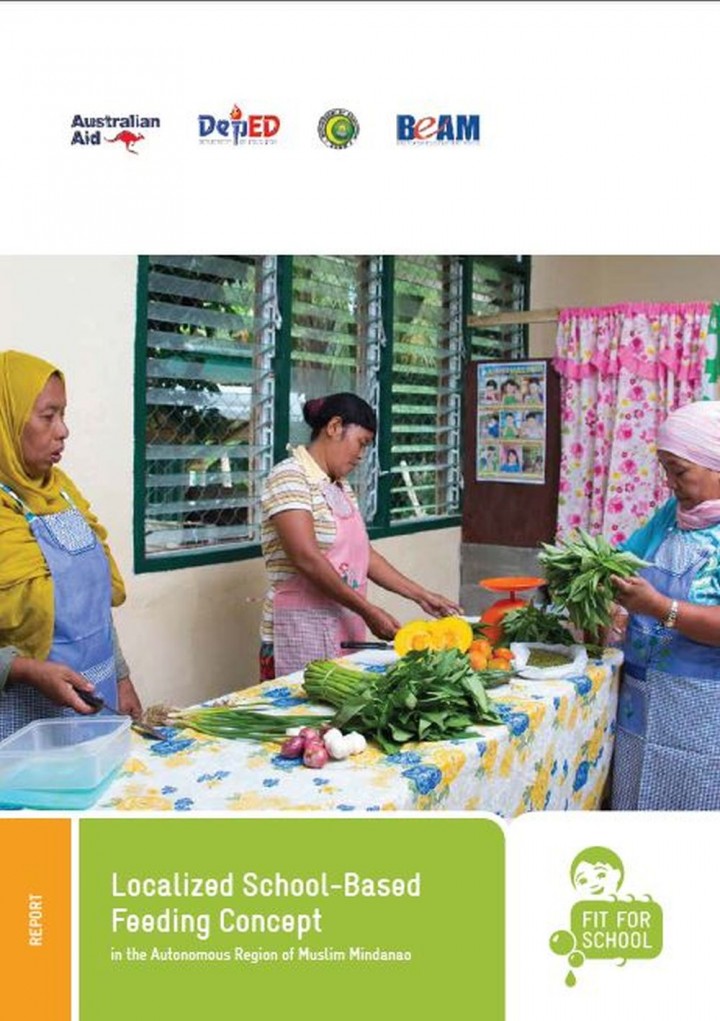
Monse, B. et al. (2016) Localized school-based feeding concept in the autonomous region of Muslim
Making schools healthy environments requires a holistic approach that should combine various interventions to ensure that children are fit for school. However, these interventions must be simple, scalable, sustainable, and integrated into existing systems to ensure that they can be feasibly implemented by school communities with limited resources. Increasing its usefulness could only be possible if they could easily blend with accepted practices and ensuing […]
Online since: 15.12.2016
Views: 2963
Downloads: 900
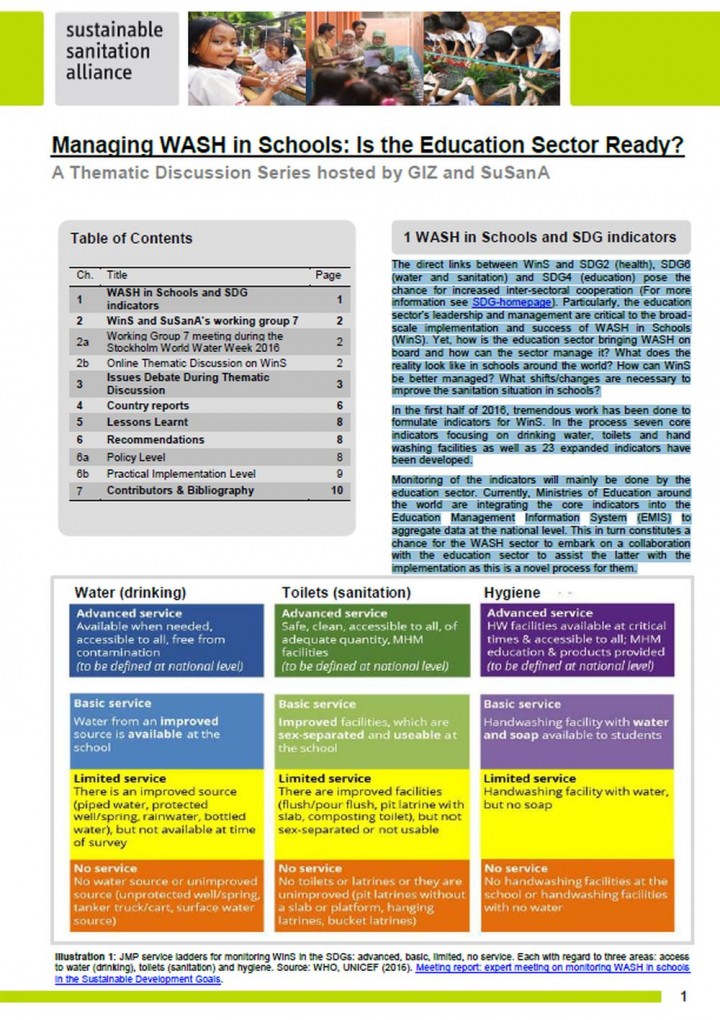
Dauenhauer, K., Schlenk, J., Langkau, T. (2016) Managing WASH in Schools: Is the Education Sector Ready? A Thematic Discussion Series hosted by GIZ and SuSanA
The direct links of WinS to SDG3 (health), SDG4 (education) and SDG6 (water and sanitation) pose the chance for increased inter-sectoral cooperation. Thereby, the education sector’s leadership and management are critical to broad-scale implementation and success of WinS. Yet, how is the education sector taking WASH on board and how can the sector manage it? How does the reality look like in schools around the […]
Online since: 09.11.2016
Views: 8833
Downloads: 14842
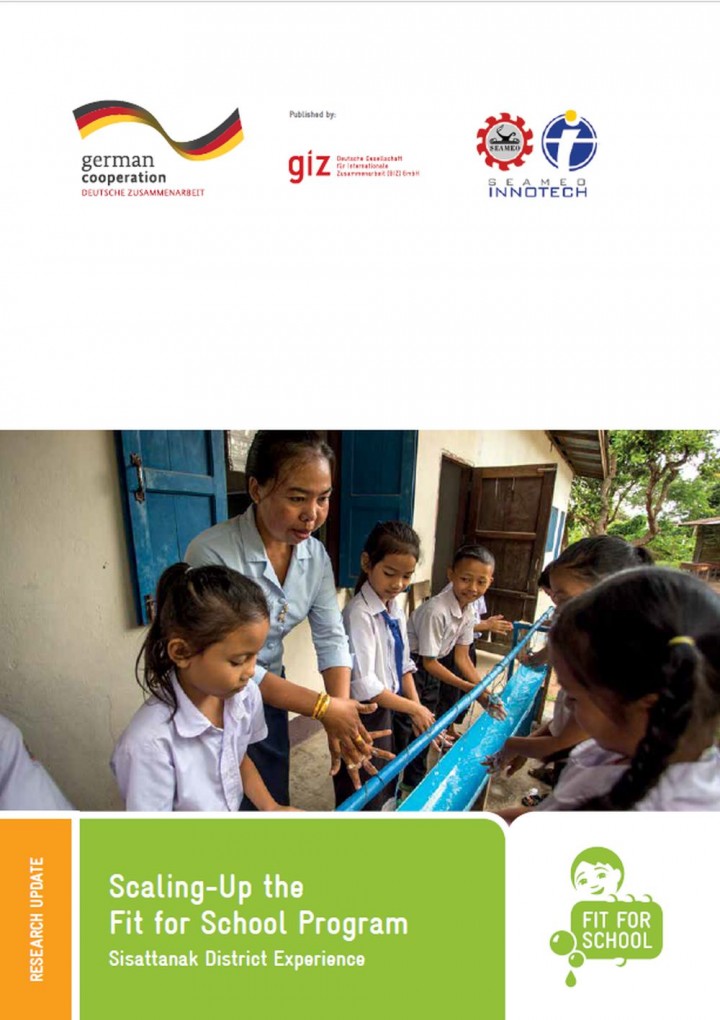
MoES, SAEMEO INNOTECH, GIZ (2016) Scaling-up the Fit for School program Sisattanak district experience
“The question now is not whether school health programs are necessary... but how they can be implemented at meaning scale. This is the challenge that we now face,” (Bundy, 2011, p. xiv). This quote reflects a key issue in the field of school health and WASH in Schools (WinS), especially in countries where resources are limited compared to the challenges in this field. Often good […]
Online since: 19.08.2016
Views: 4327
Downloads: 7293
Hutton, G., Chase, C. (2016) The Knowledge Base for Achieving the Sustainable Development Goal Targets on Water Supply, Sanitation and Hygiene
Safe drinking water, sanitation, and hygiene (WASH) are fundamental to an improved standard of living. Globally, 91% of households used improved drinking water sources in 2015, while for improved sanitation it is 68%. Wealth disparities are stark, with rural populations, slum dwellers and marginalized groups lagging significantly behind. Service coverage is significantly lower when considering the new water and sanitation targets under the sustainable development […]
Online since: 10.06.2016
Views: 3504
Downloads: 303
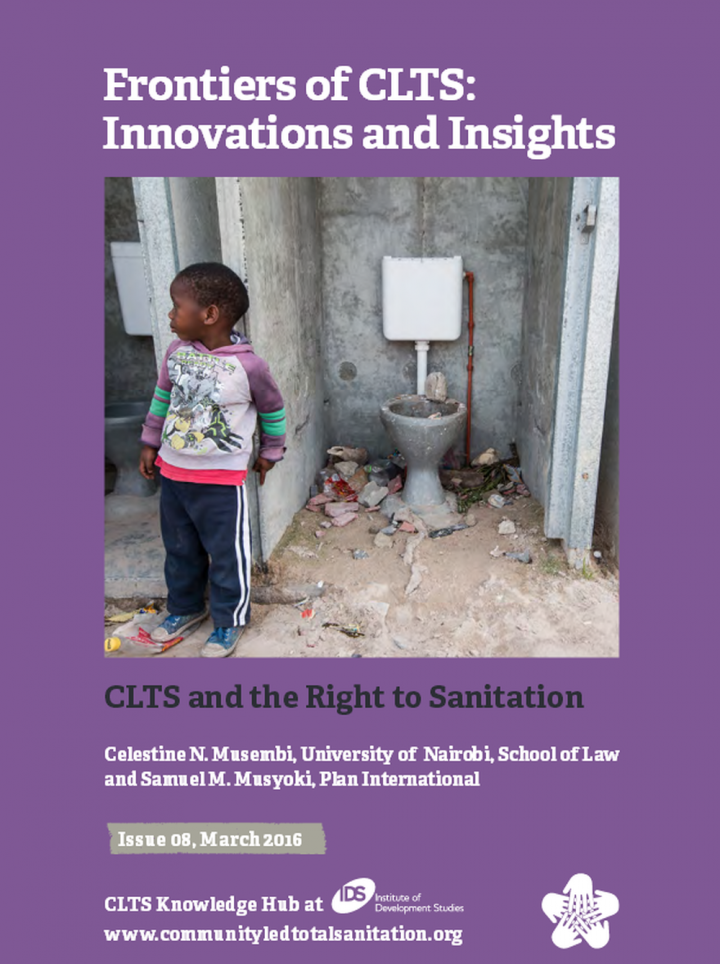
Musembi, C. N., Musyoki, S. M. (2016) CLTS and the right to sanitation Frontiers of CLTS: Innovations and Insights Issue 8
Lack of sanitation impacts on the rights to life and health, the right to education (through loss in school days, particularly for girls) and the right to dignity (UNRIC nd). The purpose of this issue of Frontiers of CLTS is to examine Community-Led Total Sanitation (CLTS) in light of human rights: Does CLTS contribute to realising the right to sanitation and other inter-related rights? Are the […]
Online since: 13.05.2016
Views: 3979
Downloads: 383
Roose, S., Tom Rankin, T., Cavill, S. (2015) Breaking the next taboo: Menstrual hygiene within CLTS Frontiers of CLTS: Innovations and Insights Issue 6
Most adolescent girls and women menstruate. This means that for five to seven days each month they bleed through their vagina. This monthly bleeding is often accompanied by abdominal cramps, headaches, mood changes and general lethargy all of which can be exacerbated by social stigma, myths and a lack of requisite infrastructure to manage menstruation safely, privately and hygienically. The accumulated impact of these issues […]

Online since: 12.05.2016
Views: 3880
Downloads: 326
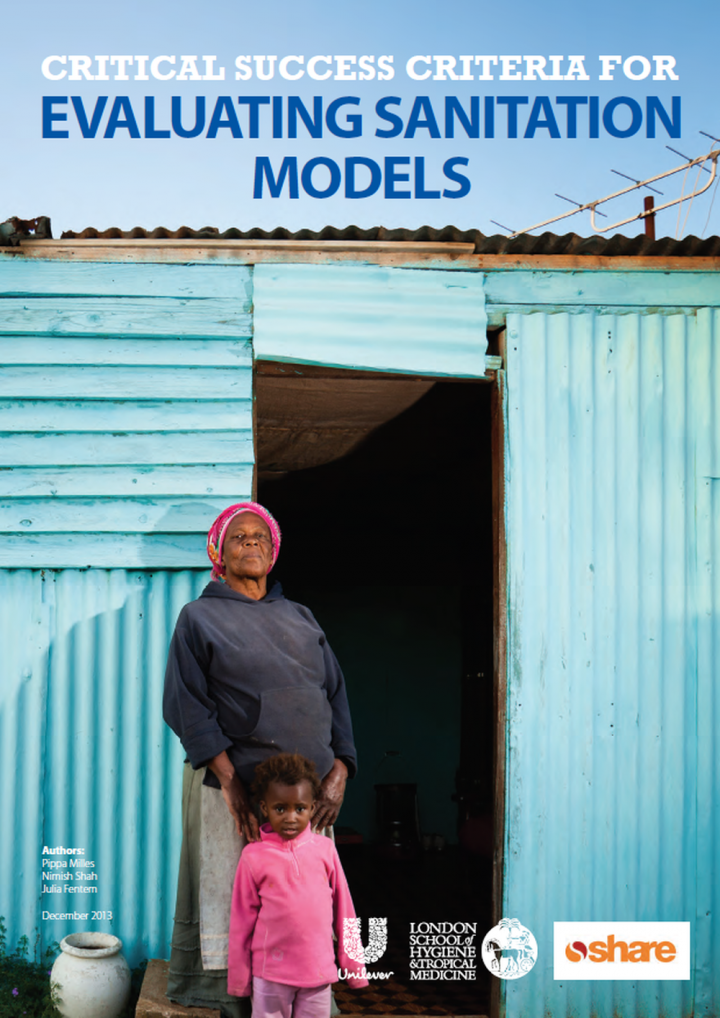
Milles, P., Shah, N., Fentem, J. (2013) Critical success criteria for evaluating sanitation models
Unilever believes that business has a role to play in solving the global sanitation crisis that leaves 2.5 billion people without access to improved sanitation. In 2012, Unilever convened the Toilet Board, a group of likeminded companies, NGOs and research professionals, with expertise in sanitation and a desire to take immediate action to address this issue. The Toilet Board aims to foster commercial approaches to […]
Online since: 25.04.2016
Views: 4327
Downloads: 288
Various Authors (2016) Process evaluation of the national sanitation campaign of Tanzania
Despite continuous financial efforts to improve the conditions in the country, Tanzania was off track to meet both the MDGs target on water and sanitation and the national MKUKUTA goals. Whilst the country reached a high level of latrine coverage (90%) during the Mtu ni Afya campaign of the 1970s, very little progress has been made since then to move the population up the sanitation […]
Online since: 05.04.2016
Views: 6203
Downloads: 606
Burt, Z., Nelson, K., Ray, I. (2016) Towards gender equality through sanitation access Discussion paper
This discussion paper reviews the extensive literature on sanitation to show that inadequate access to this basic service prevents the realization of a range of human rights and of gender equality. We recognize that “dignity” is a highly culture- and gender-specific term; we therefore argue that sanitation for all—sanitation that serves all genders equally—must be designed and planned explicitly for the unique needs of women […]
Online since: 01.04.2016
Views: 3456
Downloads: 254
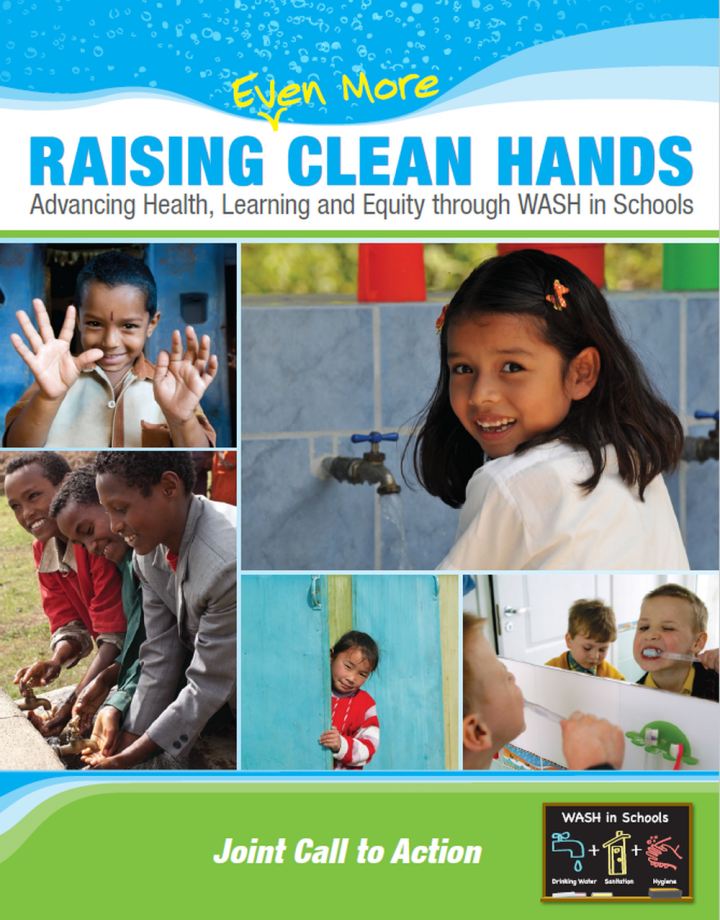
UNICEF (2012) Raising even more clean hands Advancing health, learning and equity through WASH in schools
Fulfilling every child’s right to water, sanitation and hygiene education remains a major challenge for policymakers, school administrators and communities in many countries. Although steady progress has been made to safeguard the well-being of schoolchildren, almost half of all schools in low-income countries still lack access to water and sanitation facilities. The lack of quality data on WASH in Schools coverage is a significant barrier to […]
Online since: 29.03.2016
Views: 9282
Downloads: 15492
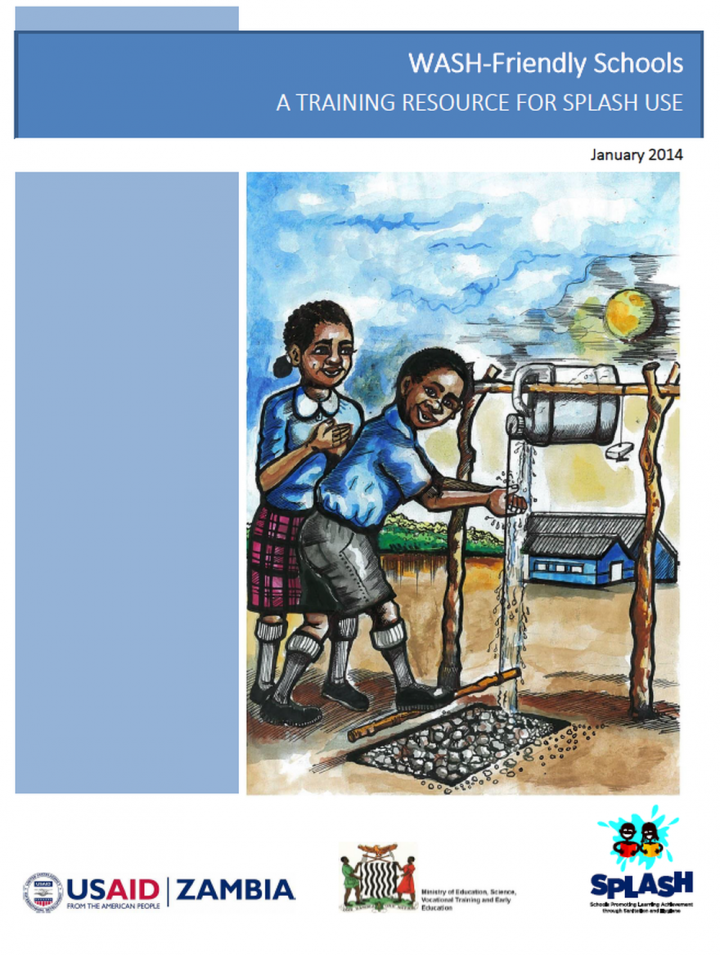
USAID (2014) WASH-Friendly schools A training resource for SPLASH use
The WASHplus project supports healthy households and communities by creating and delivering interventions that lead to improvements in access, practices, and health outcomes related to water supply, sanitation, and hygiene (WASH) and indoor air pollution (IAP). This five year project (2010-2015), funded through USAID’s Bureau for Global Health (AID-OAA-A-10-00040) and led by FHI 360 in partnership with CARE and Winrock International, uses at-scale programming as […]
Online since: 29.03.2016
Views: 3582
Downloads: 269