Watson, J., Dreibelbis, R., Aunger, R., Deola, C., King, K., Long, S., Chase, R. P., Cumming, O. (2018) Child's Play: Harnessing Play and Curiosity Motives to Improve Child Handwashing in a Humanitarian Setting
Abstract In humanitarian emergency settings there is need for low cost and rapidly deployable interventions to protect vulnerable children, in- and out-of-school, from diarrhoeal diseases. Handwashing with soap can greatly reduce diarrhoea but interventions specifically targeting children's handwashing behaviour in humanitarian settings have not been tested. Traditional children's handwashing promotion interventions have been school-focused, resource-intensive and reliant on health-based messaging. However, recent research from non-humanitarian settings […]
Online since: 04.01.2022
Views: 986
Downloads: 445
Goel, S., Chandrashekar, B.R. (2020) Evaluating the Efficacy of Handwashing Demonstration on Hand Hygiene Among School Students. An Interventional Study
This was an interventional study carried out over a period of 5 days among 21 schoolchildren aged 12–18 years in their respective school premises. Participants were requested to rub their hands with an UV-sensitive fluorescent lotion and then wash them. Hands were air-dried and examined under UV rays for blue light emission in a dark room. Emission of blue light highlighted parts of hand where […]
Online since: 04.01.2022
Views: 1445
Downloads: 328
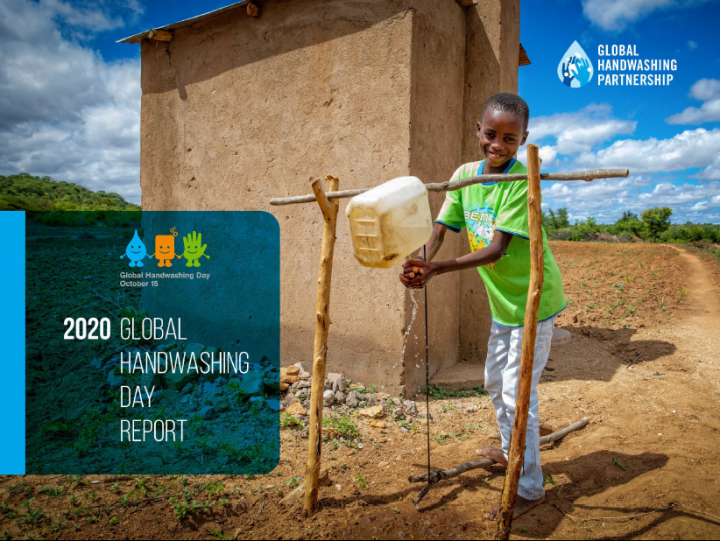
Global Handwashing Partnership (2021) 2020 Global Handwashing Day Report
Online since: 04.01.2022
Views: 962
Downloads: 296
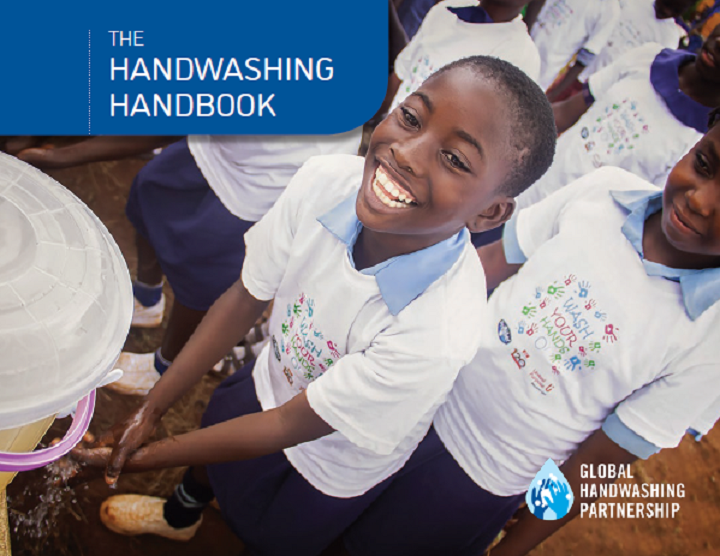
Global Handwashing Partnership (0) The Handwashing Handbook
This handbook is based on the experience of the Global Handwashing Partnership and presents best practices and new concepts to improve the uptake of handwashing. This handbook updates the approaches shared in the previous Handwashing Handbook, which was published in 2005 by the World Bank with support from the partners of the Global Public-Private Partnership for Handwashing (PPPHW), the original name of the Global Handwashing […]
Online since: 04.01.2022
Views: 978
Downloads: 304
Global Handwashing Partnership (2017) FAQ: Using Nudges to Encourage Handwashing with Soap
Handwashing with soap is an effective way to prevent diseases and build healthy futures. For handwashing to be effective, it needs to be practiced consistently and thoroughly. Even when people have access to soap and water, and know how and why to wash their hands, many still do not properly wash their hands consistently at critical times. The handwashing behavior change challenge is not only […]
Online since: 04.01.2022
Views: 860
Downloads: 283
Online since: 04.01.2022
Views: 986
Downloads: 497
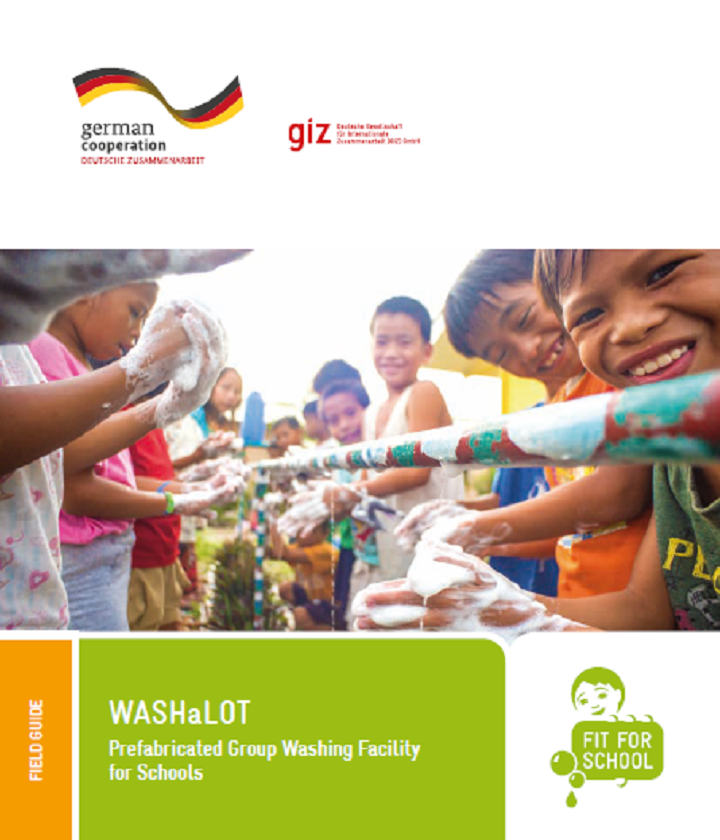
Fit for School (2015) WASHaLOT Field Guide: Prefabricated Group Washing Facility for Schools
The simple hygiene habits of handwashing with soap and toothbrushing significantly contribute to the health and well-being of children and should be part of their education. While the idea of teaching handwashing and toothbrushing in schools has been around for decades, the actual practice of these activities has been hindered by long queues around the washing station. The concept of building school washing facilities that […]
Online since: 04.01.2022
Views: 1198
Downloads: 338
White, S., Thorseth, A. H., Dreibelbis, R., Curtis, V. (2020) The Determinants of Handwashing Behaviour in Domestic Settings: An Integrative Systematic Review
Background: Hygiene promotion interventions are likely to be more effective if they target the determinants of handwashing behaviour. Synthesis of the evidence on the determinants of handwashing behaviour is needed to enable practitioners to use evidence in hygiene promotion programming. Purpose: To identify, define and categorise the determinants of handwashing behaviour in domestic settings and to appraise the quality of this evidence. Methods: We conducted an integrative […]
Online since: 04.01.2022
Views: 982
Downloads: 333
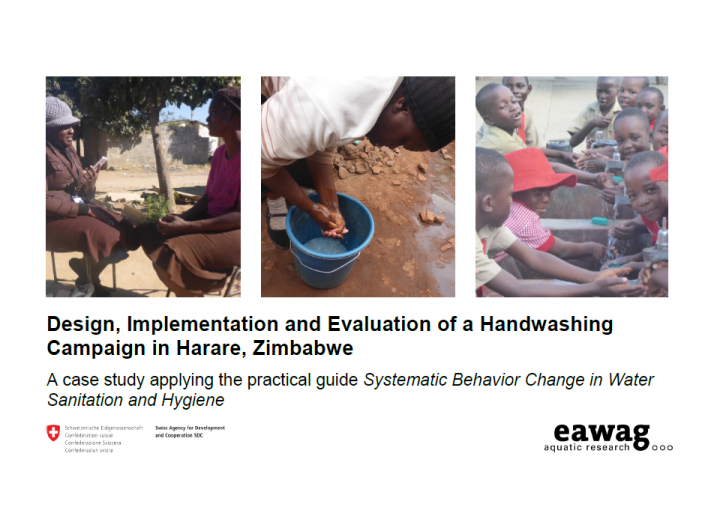
Friedrich, M. (2016) Design, Implementation and Evaluation of a Handwashing Campaign in Harare, Zimbabwe. A Case Study Applying the Practical Guide Systematic Behavior Change in Water, Sanitation and Hygiene
Consistent hand hygiene can reduce morbidity and mortality from diarrheal and respiratory diseases. Diarrhea and pneumonia are still the leading causes of mortality among children under five years of age in low-income and middle-income countries. Recent findings suggest that interventions promoting handwashing with soap lead to a 40% reduction in the risk of diarrhea. Despite its health impact, handwashing with soap is seldom practiced. It […]
Online since: 04.01.2022
Views: 1127
Downloads: 684
Lawrence, J. J., Yeboah-Antwi, K., Biemba, G., Ram, P. K., Osbert, N., Sabin, L. L., Hamer, D. H. (2016) Beliefs, Behaviors, and Perceptions of Community-Led Total Sanitation and Their Relation to Improved Sanitation in Rural Zambia
Inadequate hygiene and sanitation remain leading global contributors to morbidity and mortality in children and adults. One strategy for improving sanitation access is community-led total sanitation (CLTS), in which participants are guided into self-realization of the importance of sanitation through activities called “triggering.” This qualitative study explored community members' and stakeholders' sanitation, knowledge, perceptions, and behaviors during early CLTS implementation in Zambia. We conducted 67 […]
Online since: 04.01.2022
Views: 1270
Downloads: 2181
Dreibelbis, R., Kroeger, A., Hossain, K., Venkatesh, M., Ram, P.K. (2016) Behavior Change without Behavior Change Communication: Nudging Handwashing among Primary School Students in Bangladesh
Behavior change communication for improving handwashing with soap can be labor and resource intensive, yet quality results are difficult to achieve. Nudges are environmental cues engaging unconscious decision-making processes to prompt behavior change. In this proof-of-concept study, we developed an inexpensive set of nudges to encourage handwashing with soap after toilet use in two primary schools in rural Bangladesh. We completed direct observation of behaviors […]
Online since: 03.01.2022
Views: 1439
Downloads: 284
Coombes, Y., Devine, J. (2010) Introducing FOAM: A Framework to Analyze Handwashing Behaviors to Design Effective Handwashing Programs
The FOAM (Focus on Opportunity, Ability, and Motivation) is a framework designed to help in the development, monitoring, and evaluation of handwashing behavior change programs. FOAM was developed for use in resource-poor settings, but it can also be adapted for other socioeconomic environments. This working paper is intended for use by program managers implementing handwashing behavior change initiatives, as well as multilateral and bilateral agencies, […]
Online since: 03.01.2022
Views: 1092
Downloads: 399
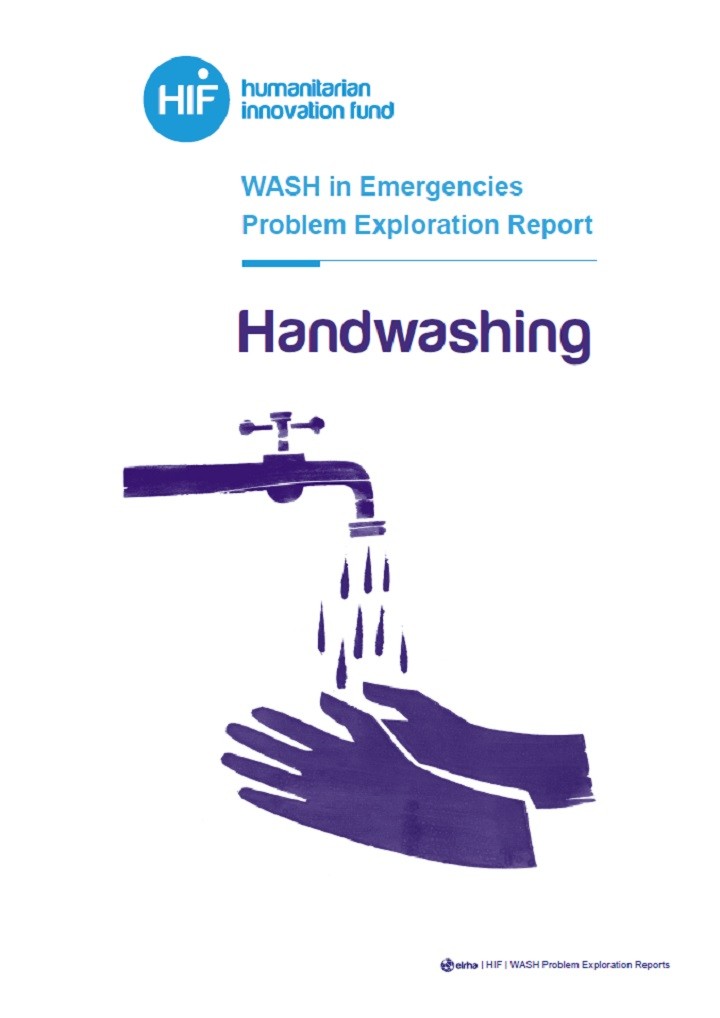
Ramos, M., Benelli, P., Irvine, E., Watson, J. (2016) WASH in Emergencies. Problem Exploration Report. Handwashing
Online since: 21.12.2021
Views: 789
Downloads: 1328
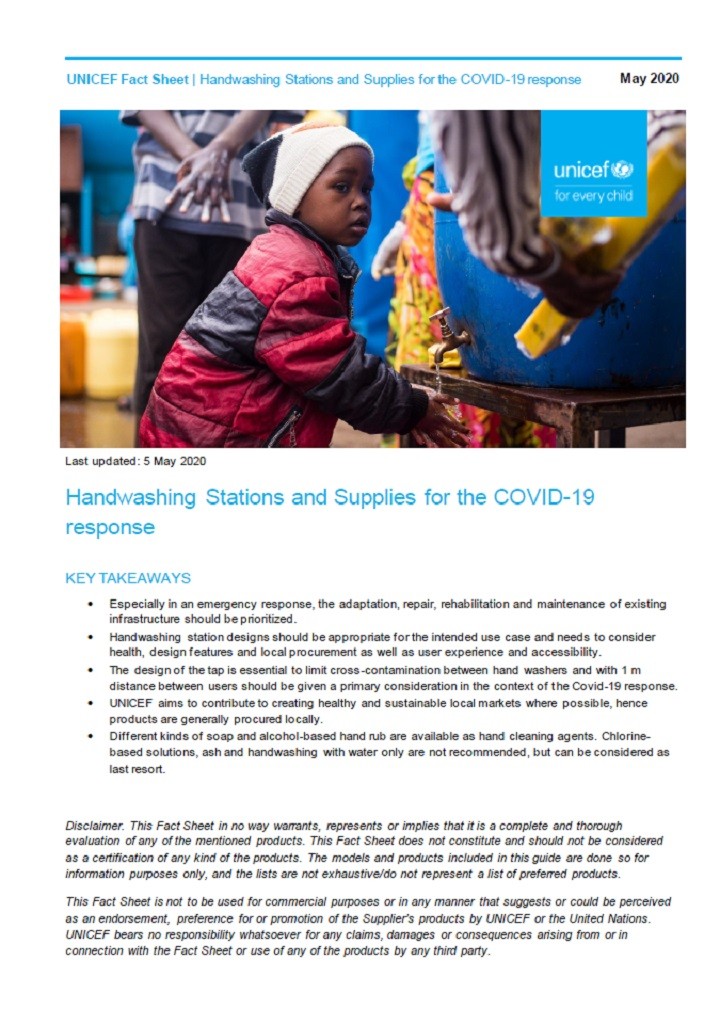
UNICEF (2020) Handwashing Stations and Supplies for the COVID-19
Handwashing with soap, when done correctly, is critical in the fight against COVID-19, but 3 billion people have no ready access to a place to wash their hands with soap at home. WHO released interim guidance on 1 April 2020, recommending to all Member States to make hand hygiene facilities in front of public and private commercial buildings as well as at all transport hubs […]
Online since: 21.12.2021
Views: 681
Downloads: 275
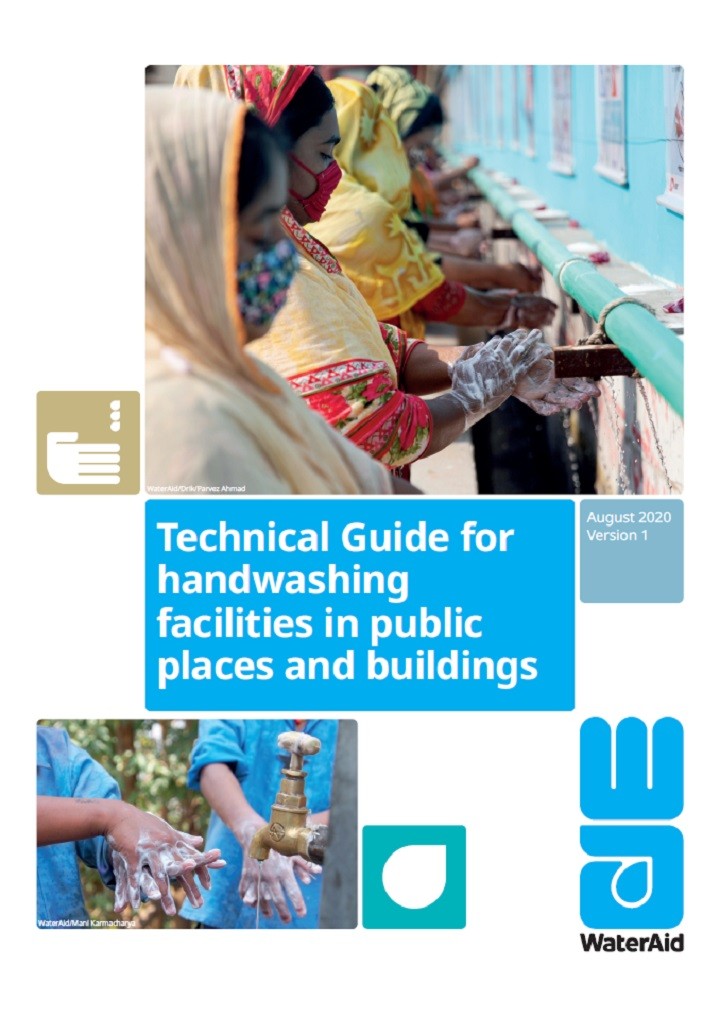
Knight, J., Kontos, L., Da Cunha Forte, J., Muktadir, G., Gautam, O. P. (2020) Technical Guide for Handwashing Facilities in Public Places and Building
In response to the COVID-19 pandemic, the World Health Organization (WHO) has recommended that all member states provide universal access to public handwashing facilities. Consequently, WaterAid and other organisations have been working with governments to install handwashing facilities in a wide range of public places and buildings, to support improved handwashing practices and reduce transmission of the virus. Locations include markets, public transport hubs, public/ […]
Online since: 21.12.2021
Views: 1304
Downloads: 375
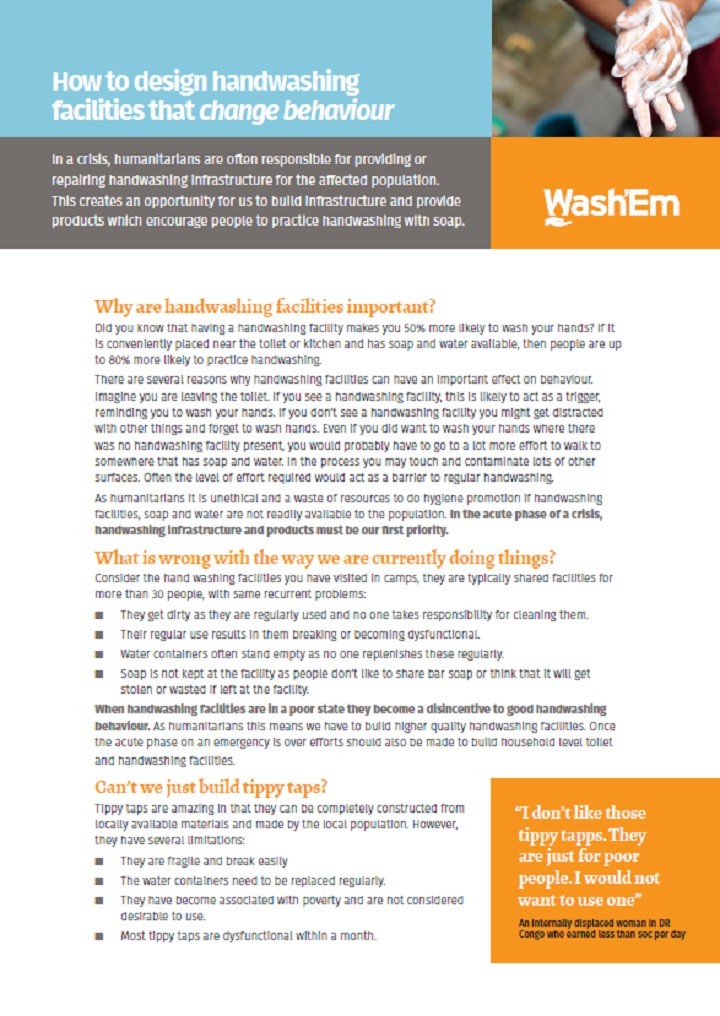
Wash'Em (2019) How to Design Handwashing Facilities that Change Behaviour
Online since: 21.12.2021
Views: 826
Downloads: 296
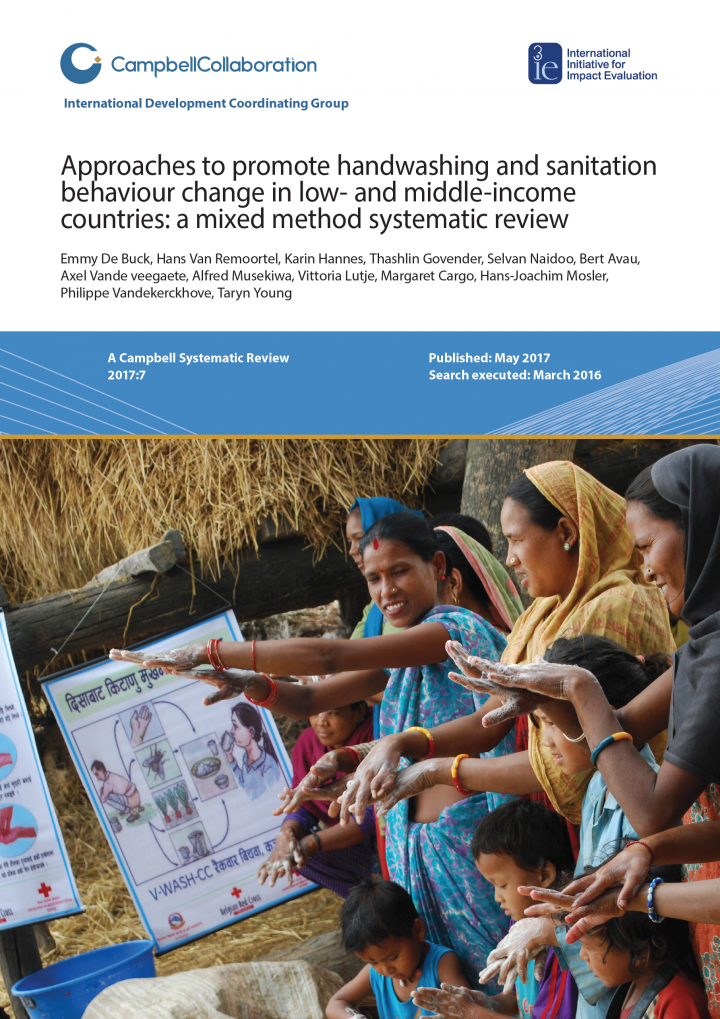
De Buck, E., Van Remoortel, H., Hannes, K., Govender, T., Naidoo, S., Avau, B., Vande veegaete, A., Musekiwa, A., Vittoria, L., Cargo, M., Mosler, H-J., Vandekerckhove, P., Young, T. (2017) Approaches to promote handwashing and sanitation behaviour change in low- and middle-income countries: a mixed method systematic review
This Campbell Systematic Review examines the effectiveness of different approaches for promoting handwashing and sanitation behaviour change, and factors affecting implementation, in low and middle-income countries. The review summarises evidence from 42 impact evaluations, and from 28 qualitative studies.
Online since: 21.12.2021
Views: 575
Downloads: 289
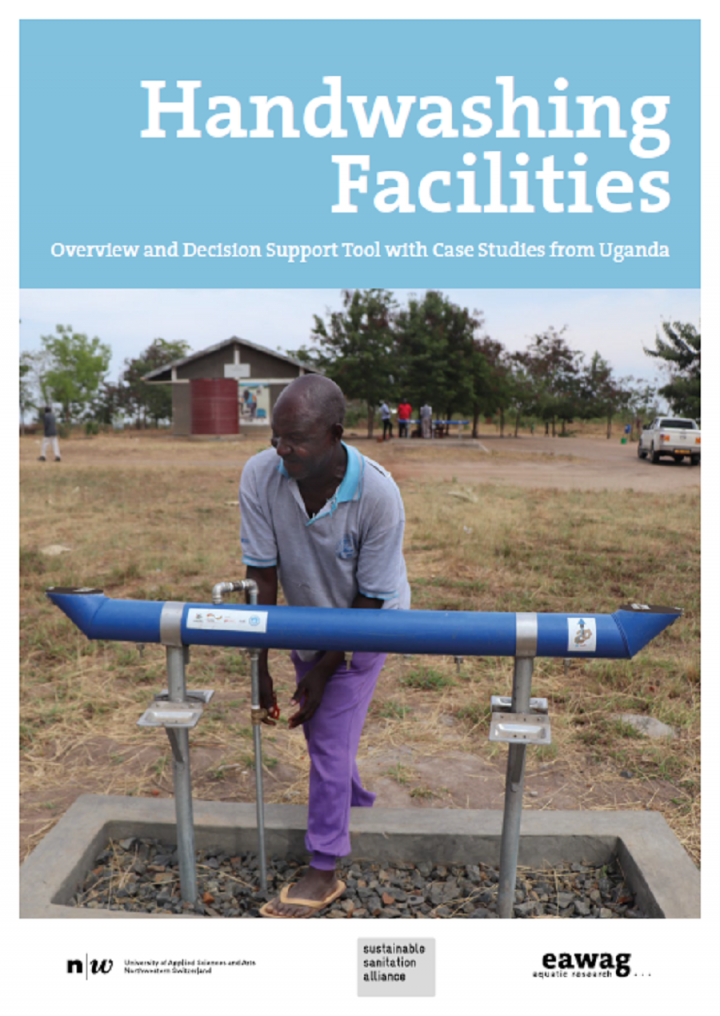
M. Peter, V. Misev, V. Schelbert, C. Lüthi, A. Panesar, J.C. Schlenk, N. Stauf, S. Semiyaga (2022) Handwashing Facilities Overview and Decision Support Tool with Case Studies from Uganda
Handwashing Facilities - Overview and Decision Support Tool with Case Studies from Uganda The objectives of this publication are twofold. The first objective is to give an overview of common types of handwashing facilities with a number of key aspects that need to be considered during the planning stage. Focus is placed on handwashing facilities that are generally suitable for installation at public and commercial buildings […]
Online since: 21.12.2021
Views: 5621
Downloads: 1626
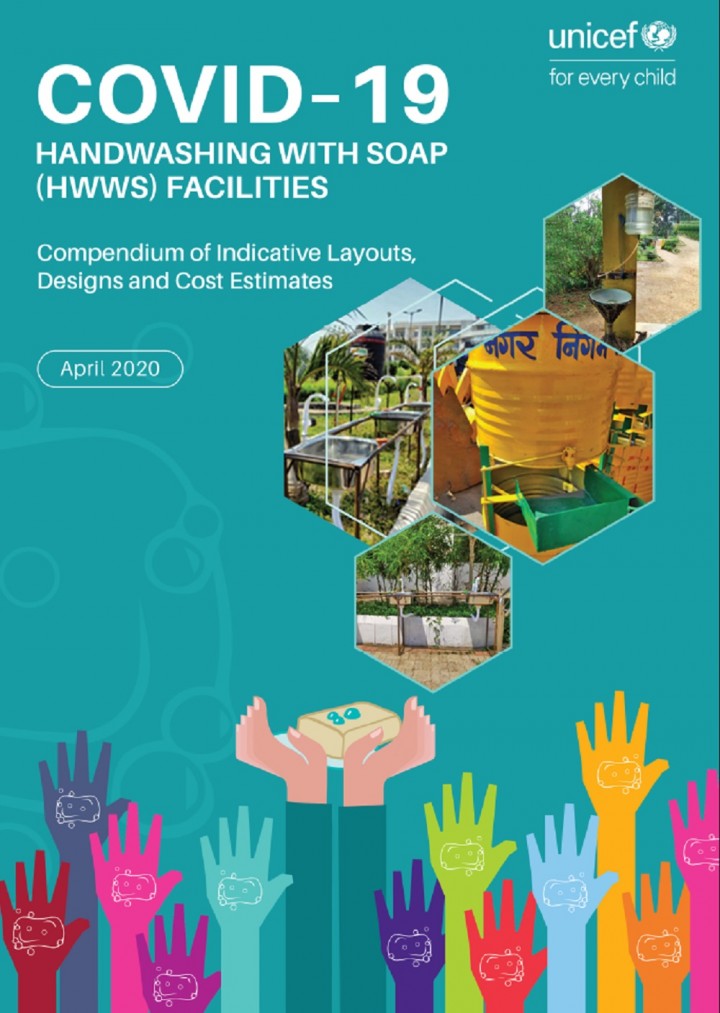
UNICEF (2020) Covid-19. Handwashing with Soap (HWWS) Facilities
Handwashing with soap for minimum 40 seconds is one of the precautionary measures suggested and advocated globally since the outbreak of COVID-19 (Corona Virus Disease). The pandemic has created a demand for behaviour change and sustained practices of Handwashing with soap. This calls for exploring existing options of handwashing stations and create newer designs of handwashing stations globally, majorly catering to the demand of COVID […]
Online since: 21.12.2021
Views: 928
Downloads: 336
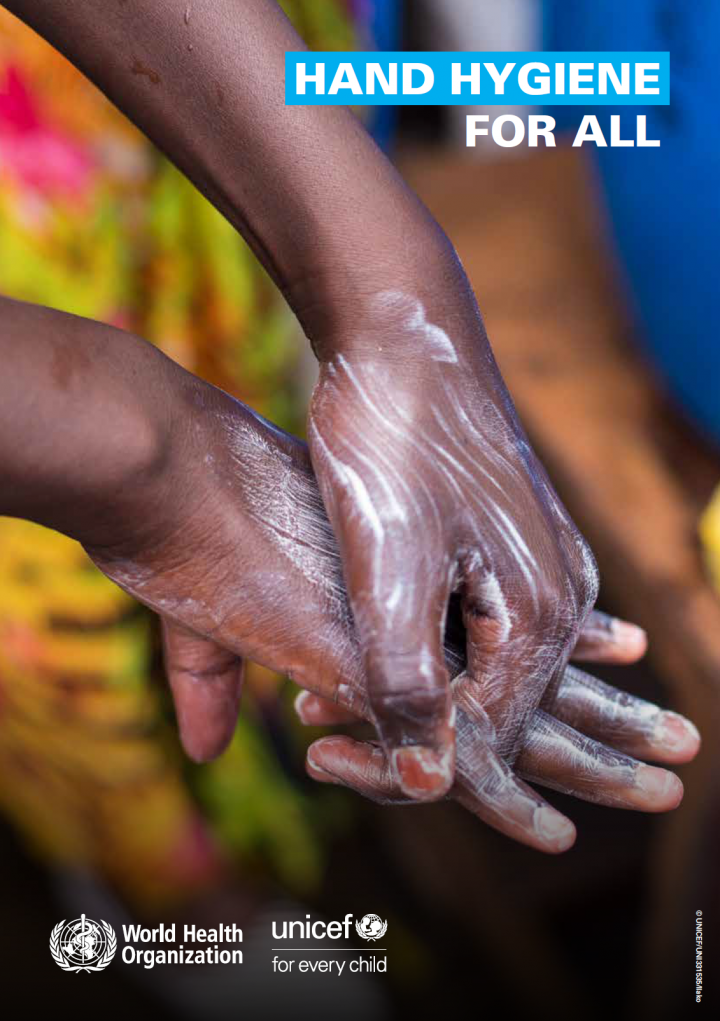
WHO, UNICEF (2020) Hand Hygiene for All
Three billion people – 40 per cent of the world’s population – do not have a place in their homes to wash their hands with water and soap. Threem quarters of those who lack access to water and soap live in the world’s poorest countries and are amongst the most vulnerable: children and families living in informal settlements, migrant and refugee camps, or in areas […]
Online since: 20.12.2021
Views: 880
Downloads: 286