UNICEF Philippines (2015) PhATS Technical Note Septage Management
In November of 2013, Typhoon Haiyan struck the Eastern Visayas region of the Philippines devastating homes and families in its path. The response by the government and international community was swift as shelter kits were distributed and “bunkhouse-style” temporary housing built for displaced persons. As these needs were met, new problems emerged, among them was how to properly manage the large quantities of localized human […]
Online since: 24.04.2018
Views: 1955
Downloads: 3565
Greaves, F. (2016) CLTS in Post-Emergency and Fragile States Settings Frontiers of CLTS: Innovations and Insights 9
This issue of Frontiers of CLTS draws on the experiences of relief and development agencies which have facilitated CLTS in post-emergency and FCAS contexts. Its purpose is to contribute to understanding, and distil learning and guidance around the application of CLTS in these situations. It explores the question: How, when, and in what circumstances can a CLTSstyle process of analysis, action, and collective behaviour change […]
Online since: 20.04.2018
Views: 1940
Downloads: 286
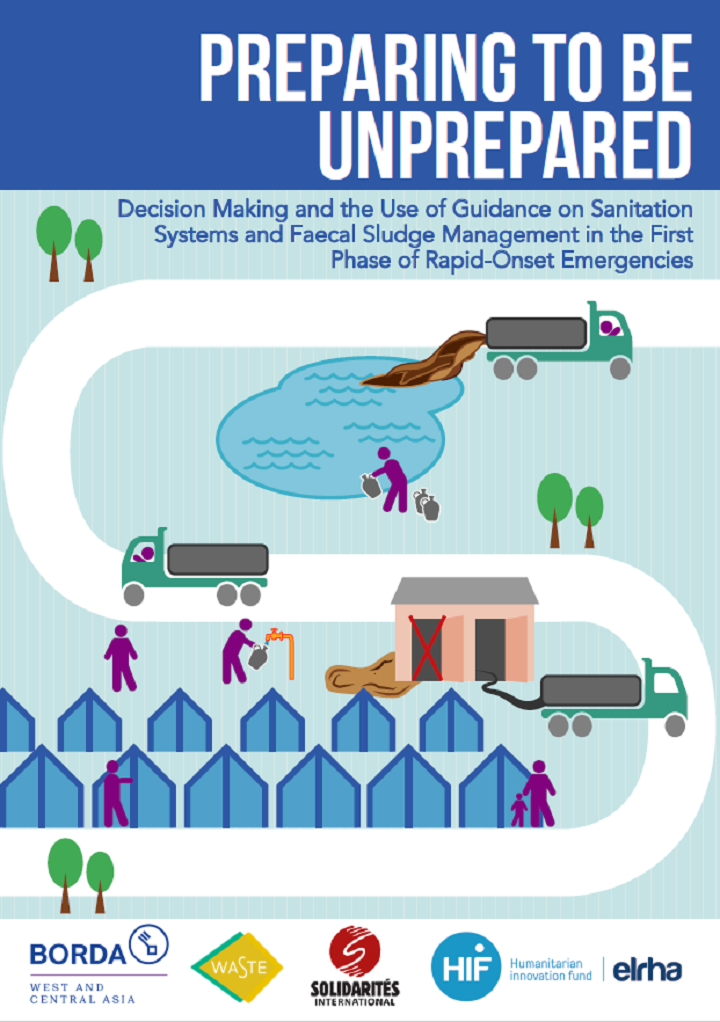
Huber, M. S. & Jennings, A. (2018) Preparing to be Unprepared Decision Making and the Use of Guidance on Sanitation Systems and Faecal Sludge Management in the First Phase of Rapid-Onset Emergencies
This research aims to contribute a small part towards larger efforts building credible evidence and increasing understanding of the current proven solutions in the emergency context through two components. The first component aims to investigate and compile what options have been proven for applications in the emergency context. The second component aims to understand what are the driving forces behind the decisions made on faecal […]
Online since: 18.04.2018
Views: 3892
Downloads: 442
Ferron, S. (2017) Enabling Access to Non-Food Items in an Emergency Response A review of Oxfam programmes
This review aimed to get a better understanding of the extent and effectiveness of non-food item (NFI) distributions in Oxfam programmes, in order to develop recommendations for programme policy and guidance to maximize the impact of NFI distributions or alternatives in future responses. Documentation relating to 15 recent WASH responses was examined and key informant interviews were conducted with some of the key Oxfam staff […]
Online since: 17.04.2018
Views: 2660
Downloads: 264
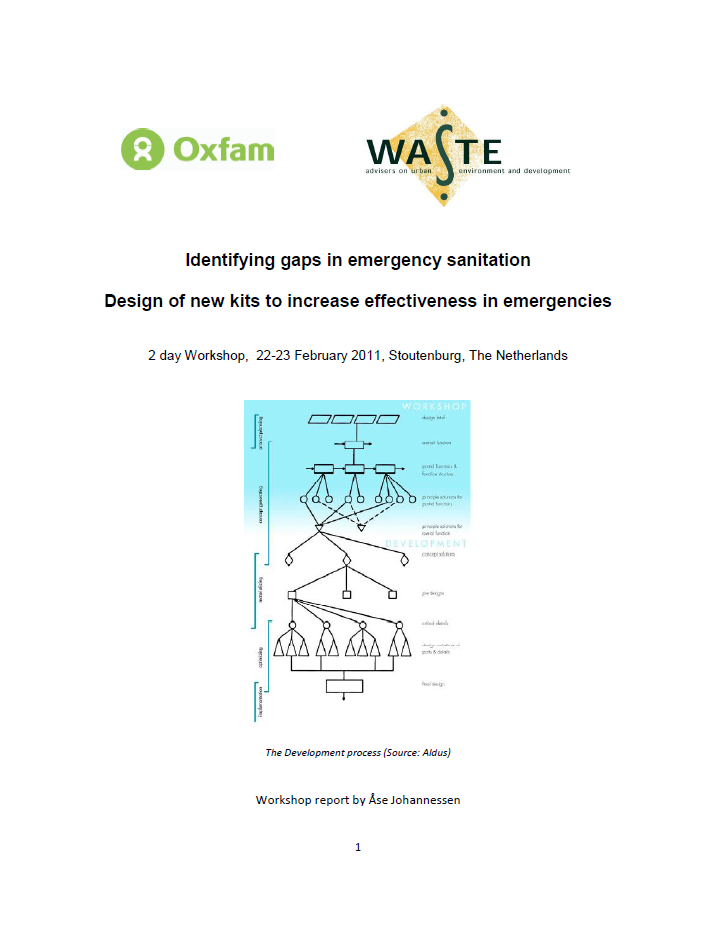
Various Authors (2011) Workshop on Emergency Sanitation in Stoutenburg, Netherlands Conference materials
The 2-days workshop "Identifying gaps in emergency sanitation - Design of new kits to increase effectiveness in emergencies" took place in Stoutenburg, the Netherlands from 22-23 Feb 2011. As a response to insufficient sanitation solutions deployed in the emergency situations, emergency and sanitation practitioners from different key organisations came together in Stoutenburg to discuss on how to improve gaps in technologies for the immediate emergency phase, […]
Online since: 13.04.2018
Views: 1253
Downloads: 1182
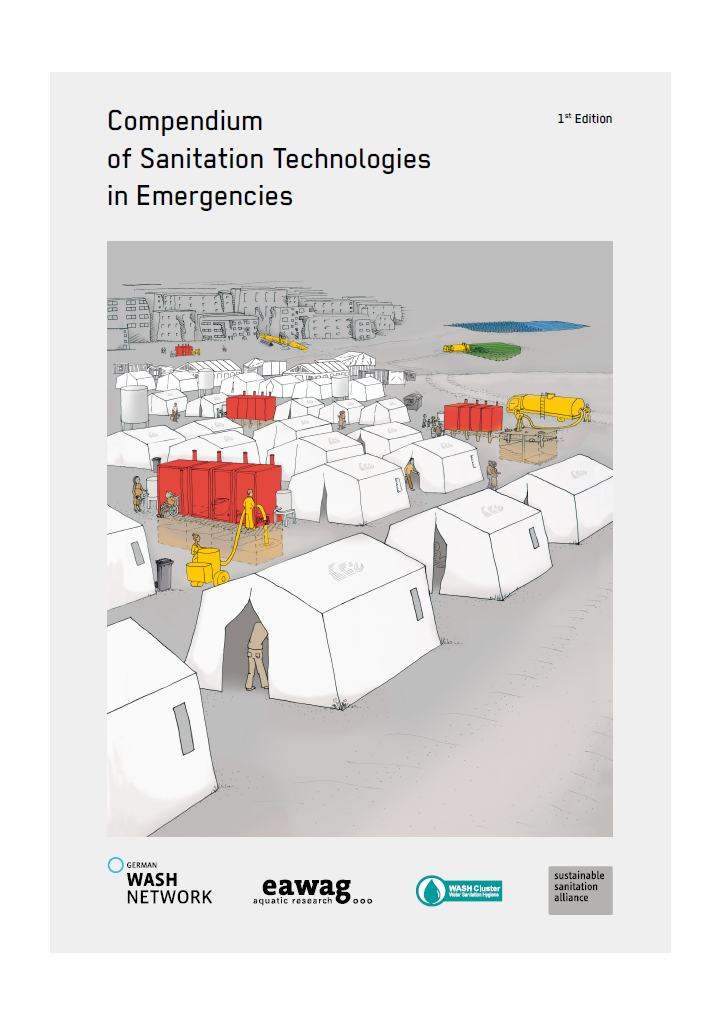
Gensch, R., Jennings, A., Renggli, S., Reymond, P. (2018) Compendium of Sanitation Technologies in Emergencies 1st Edition
Appropriate and adequate sanitation solutions are crucial for the protection of human health in emergencies. In recent years there has been an increasing number of sanitation innovations, appropriate for a variety of humanitarian contexts and a stronger sector focus on the entire sanitation service chain (from the toilet via collection and conveyance to the final treatment and safe disposal and/or reuse). Building on these developments, the […]
Online since: 12.04.2018
Views: 10292
Downloads: 17370
Juillard, H., Sloane, E. (2016) Pre-Crisis Market Analysis (PCMA) Revised
This document provides guidance for practitioners on conducting market analysis before the onset of an anticipated crisis using an adaptation of existing post-crisis market assessment tools. Recommendations stemming from this analysis could be used to inform preparedness and DRR programming decision making as well as future emergency responses. This guidance focuses on markets, with the objective to improve programming. As with any humanitarian initiative, the […]
Online since: 28.03.2018
Views: 1681
Downloads: 2814
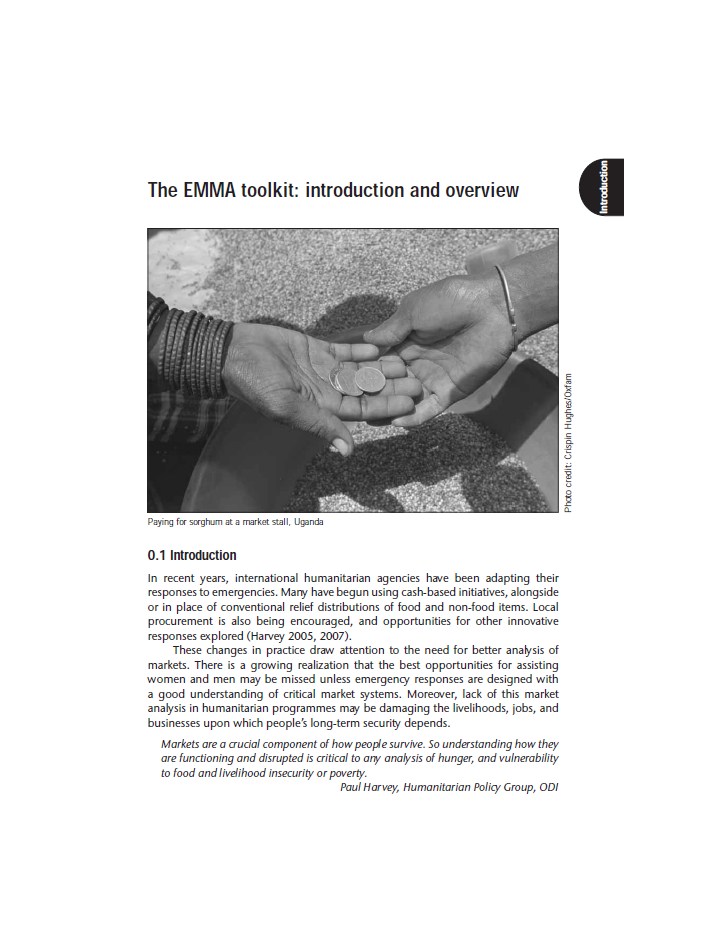
EMMA (2017) Emergency Market Mapping and Analysis - Toolkit
Emergency Market Mapping and Analysis (EMMA) is a set of tools (this toolkit) and guidance notes (the reference manual on CD-ROM). It encourages and assists front-line humanitarian staff in sudden-onset emergencies to better understand, accommodate, and make use of market systems. It does not offer a simplistic blue-print for action. However, EMMA does provide accessible, relevant guidance to staff who are not already specialists in […]
Online since: 28.03.2018
Views: 1819
Downloads: 357
Clatworthy, D., Sommer, M., Schmitt, M. (2017) A Toolkit for Integrating Menstrual Hygiene Management (MHM) into Humanitarian Response The Full Guide
The toolkit was designed to support a range of humanitarian actors involved in the planning and delivery of emergency responses. The guidance is therefore aimed to support 1) program staff directly delivering services; 2) program supervisors and country-level staff responsible for designing, coordinating and monitoring field activities, and 3) technical staff, focused on providing technical support and developing standards.
Online since: 28.03.2018
Views: 3145
Downloads: 425
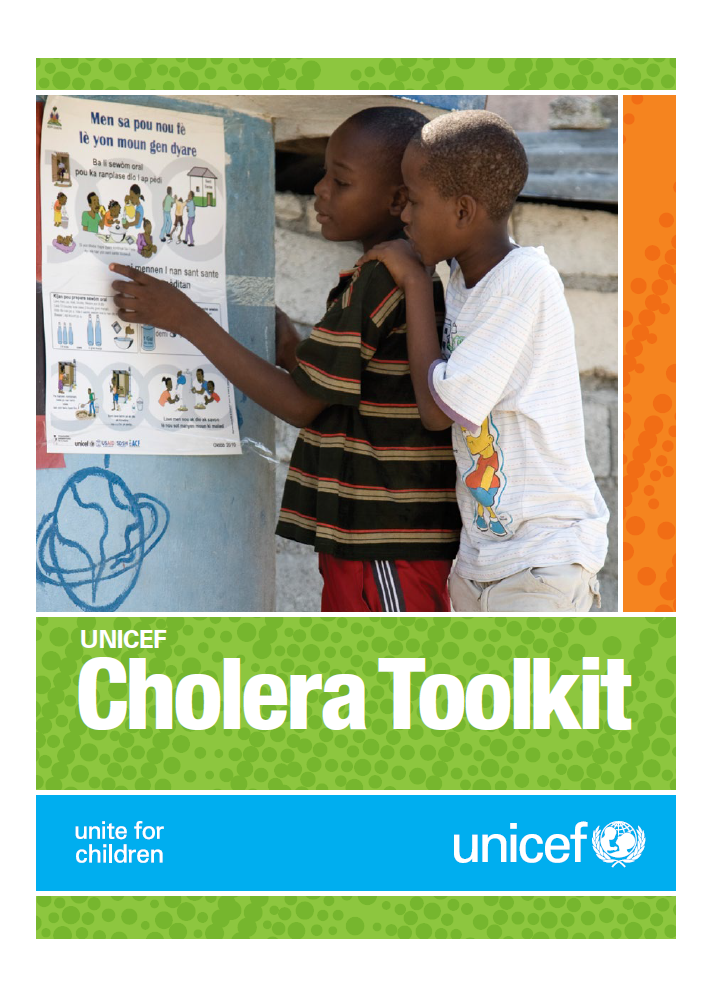
UNICEF (2017) Cholera Toolkit
UNICEF currently provides strategic technical support and guidance, surge capacity, training, supplies and logistical support for cholera and diarrhoeal disease outbreak prevention, preparedness and response worldwide. Its multi-sector approach – health, water, sanitation and hygiene (WASH), nutrition, education, protection and other sectors as well as services for emergency operations and supply management– offers the possibility of an integrated effort towards risk reduction, preparedness, capacity building […]
Online since: 27.03.2018
Views: 2205
Downloads: 313
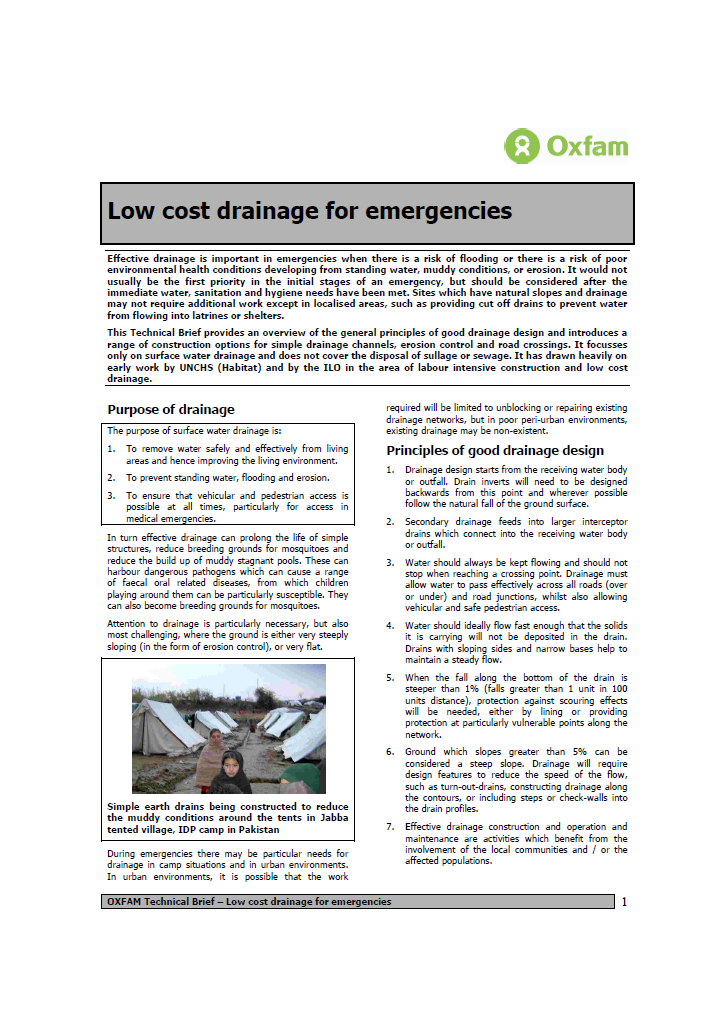
Bjerregaard, M., Meekings, H. (2008) Low cost drainage for emergencies
Effective drainage is important in emergencies when there is a risk of flooding or there is a risk of poor environmental health conditions developing from standing water, muddy conditions, or erosion. It would not usually be the first priority in the initial stages of an emergency, but should be considered after the immediate water, sanitation and hygiene needs have been met. Sites which have natural […]
Online since: 06.03.2018
Views: 1746
Downloads: 451
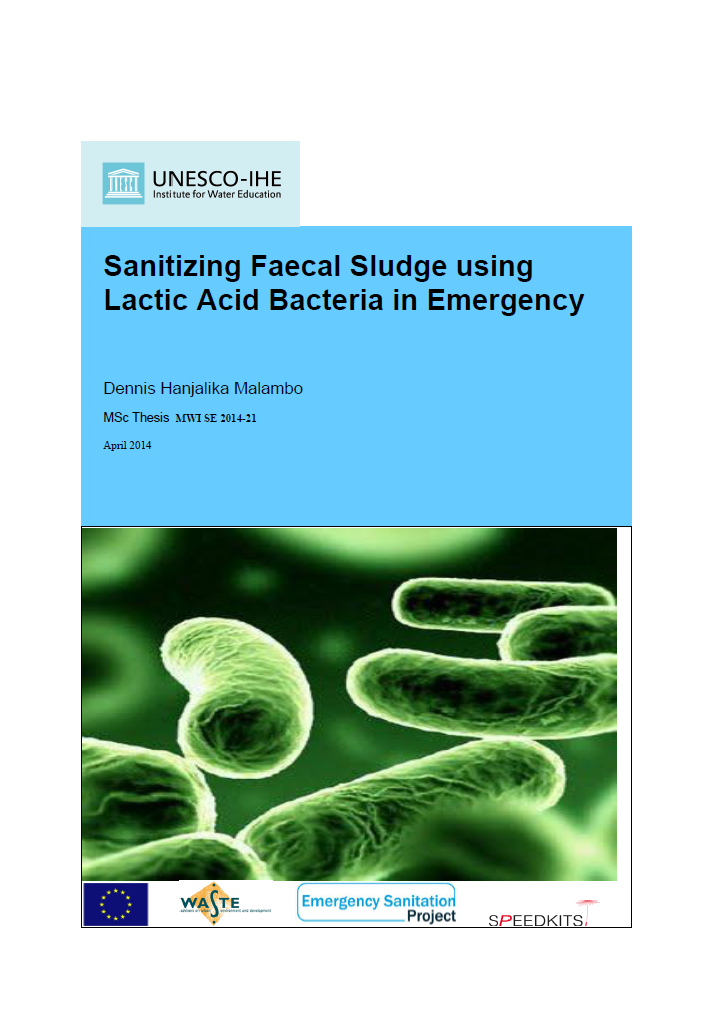
Malambo, D. (2014) Sanitizing Faecal Sludge using Lactic Acid Bacteria in Emergencies
Providing safe excreta collection and disposal in emergency situations has remained one of the most urgent priorities in the disaster relief effort. This is because of the high risk to human health that exposed and unsanitized human excreta pose. With an increase in the frequency and intensity of natural disasters in recent years, humanitarian aid and related organisations worldwide are currently exploring sustainable low cost […]
Online since: 06.03.2018
Views: 2173
Downloads: 271
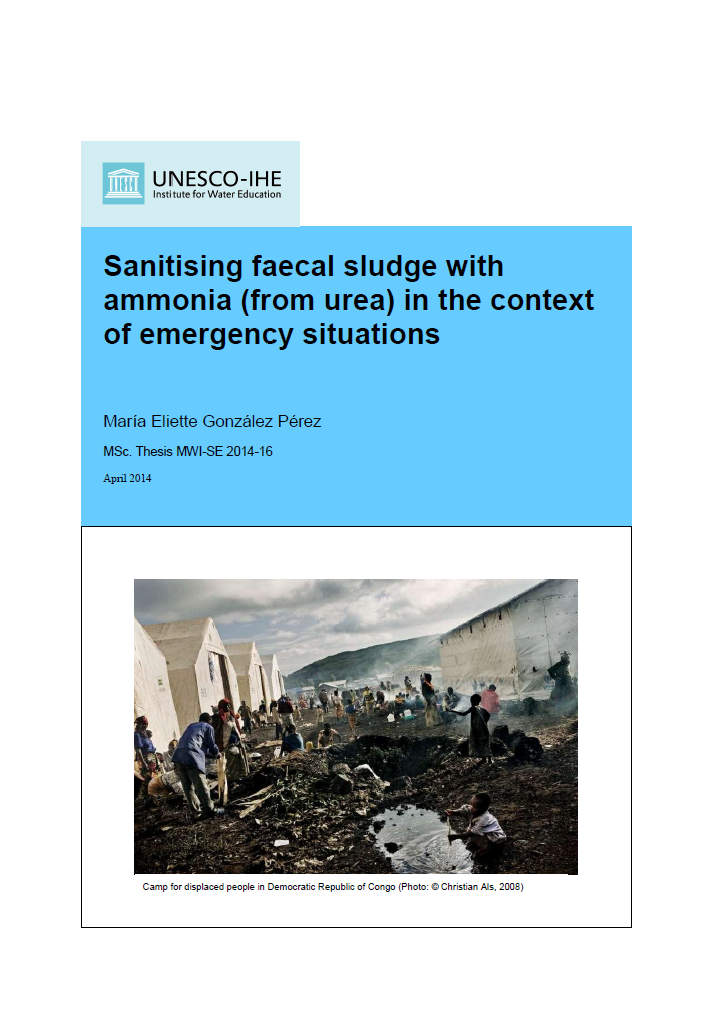
González P., M. E. (2014) Sanitising faecal sludge with ammonia (from urea) in the context of emergency situations Master thesis
In an emergency situation, the collection, treatment and disposal of the human excreta and waste in a safe way is one of the biggest challenges to face, regardless the type of disaster. When it comes to faecal sludge management, the traditional desludging methods can often not be appropriate in an acute emergency phase. Consequently, relief organisations aim to apply new and simple approaches and modular […]
Online since: 06.03.2018
Views: 2134
Downloads: 293
Anderson, C., Malambo, D. H., Perez, M. E., Nobela, H. N., de Pooter, L., Spit, J., Hooijmans, C. M., de Vossenberg, J. V., Greya, W., Thole, B., van Lier, J. B., Brdjanovic, D. (2015) Lactic Acid Fermentation, Urea and Lime Addition Promising Faecal Sludge Sanitizing Methods for Emergency Sanitation
In this research, three faecal sludge sanitizing methods—lactic acid fermentation, urea treatment and lime treatment—were studied for application in emergency situations. These methods were investigated by undertaking small scale field trials with pit latrine sludge in Blantyre, Malawi. Hydrated lime was able to reduce the E. coli count in the sludge to below the detectable limit within 1 h applying a pH > 11 (using […]
Online since: 28.02.2018
Views: 2499
Downloads: 304
Mamani, G., Visser, K., Spit. J., Heeger, J., Dargere, N., Postma, S., Gijsbers, R., Mulder, R., Buyle, G. (2014) Speedkits - Rapid deployable kits as seeds for self-recovery
Within S(P)EEDKITS, workpackage WP3- “watsan” (water and sanitation) focuses on the development of flexible sanitation solutions suited for emergency cases and on low cost water kits that help to generate, transport and store (potable) water. Focus in both domains is on the easy deployment of the kits. This document reports on the prototypes for the various watsan kits and the outcome of the (first) testing.
Online since: 28.02.2018
Views: 1309
Downloads: 197
Reed, B., Torr, D., Scott, R. (2016) Emergency Sanitation Developing Criteria for Pit Latrine Lining
Pit latrine linings for emergency sanitation facilities require different performance criteria from those for pits used in longer-term development work. Various international initiatives are currently under way to develop new methods of supporting the pits used for latrines in emergencies, but before a solution can be found, the problem needs to be defined. Current field guidance lacks the level of detail required by humanitarian workers […]
Online since: 23.02.2018
Views: 1913
Downloads: 3200
Harvey, P., Baghri, S., Reed, B. (2002) Emergency Sanitation Assessment and Programme Design
Perceptions of what constitutes an ‘emergency’ vary between personnel and between organisations. Generally, an emergency may be considered to be the result of a man-made and/or natural disaster, whereby there is a serious, often sudden, threat to the health of the affected community which has great difficulty in coping without external assistance. This book has been written to help all those involved in planning and implementing […]
Online since: 23.02.2018
Views: 2147
Downloads: 282
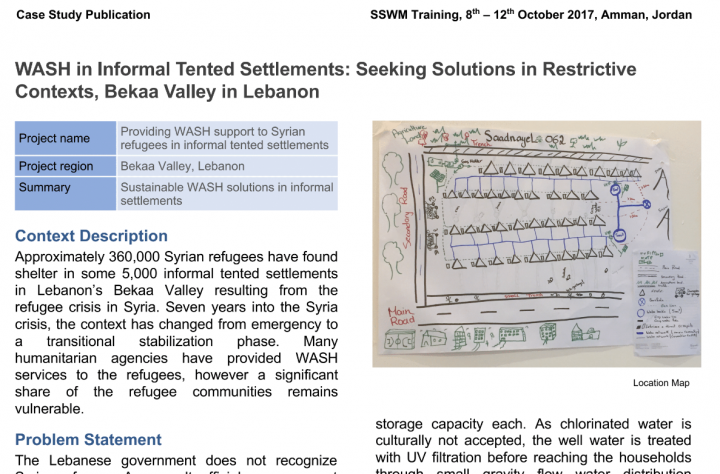
Sustainable Sanitation and Water Management (2017) WASH in Informal Tented Settlements: Seeking Solutions in Restrictive Contexts, Bekaa Valley in Lebanon Case study publication
Approximately 360,000 Syrian refugees have found shelter in some 5,000 informal tented settlements in Lebanon’s Bekaa Valley resulting from the refugee crisis in Syria. Seven years into the Syria crisis, the context has changed from emergency to a transitional stabilization phase. Many humanitarian agencies have provided WASH services to the refugees, however a significant share of the refugee communities remains vulnerable.
Online since: 06.02.2018
Views: 2898
Downloads: 304
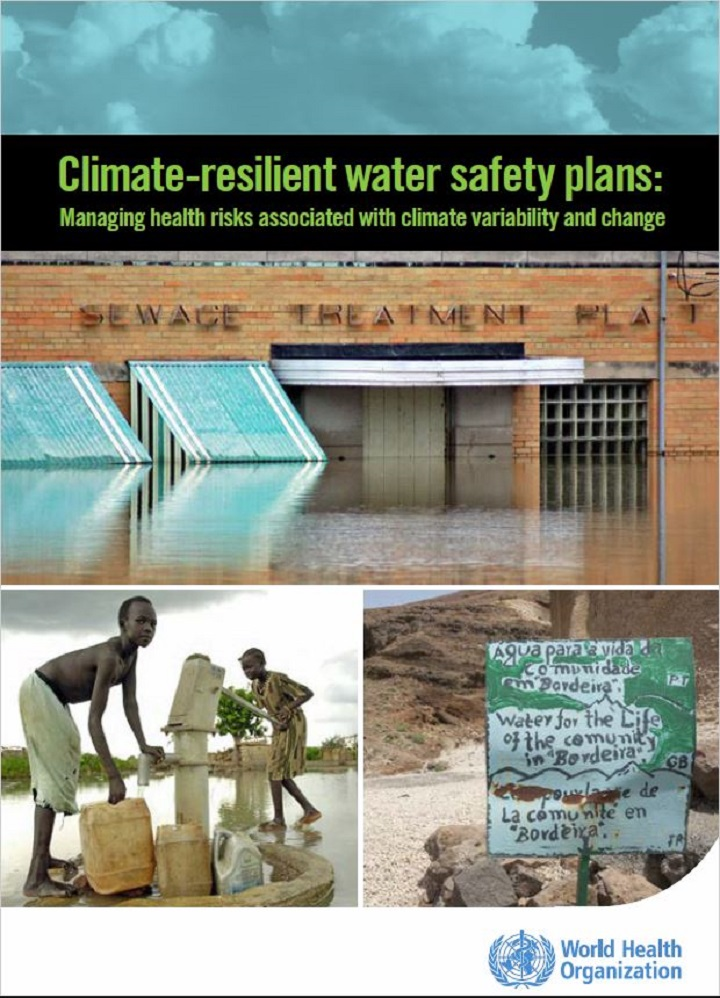
WHO (2017) Climate-resilient water safety plans Managing health risks associated with climate variability and change
Medium- and long-term planning for an adequate and safe supply of drinking-water should be set in the context of growing external uncertainties arising from changes in the climate and environment. The water safety plan (WSP) process offers a systematic framework to manage these risks by considering the implications of climate variability and change. This document provides guidance on how climate considerations can be integrated into […]
Online since: 14.11.2017
Views: 3330
Downloads: 5490
Grange, C. (2016) Faecal Sludge Management - WASH in Emergencies, Problem Exploration Report
During the immediate phase of an emergency in an urban context, the implementation of sanitation programmes takes a long time to provide suitable and sufficient facilities for the affected population. While the emergency response for drinking water programmes has been improved with the design of standardised, rapid deployment kits, sanitation programmes in urban areas are limited to very few technologies. The construction of pit latrines […]
Online since: 18.02.2016
Views: 11467
Downloads: 832