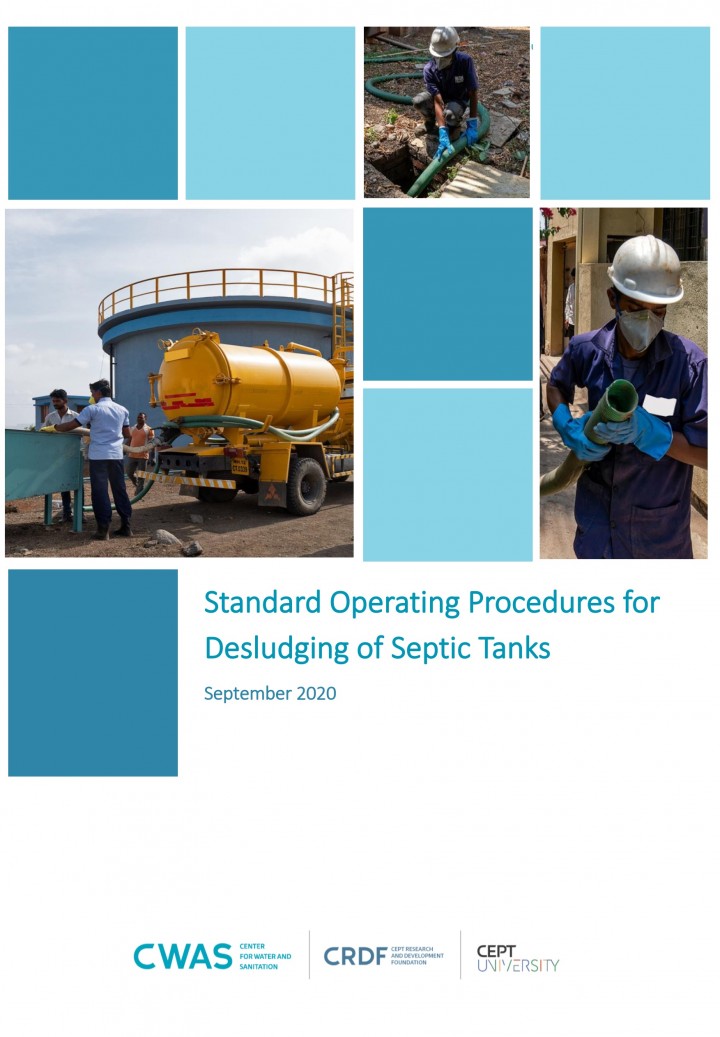
Center for Water and Sanitation CRDF; CEPT University (2020) Standard Operating Procedures for Desludging of Septic Tanks
It is known that eradicating open defecation is only half the battle. For improving sanitation, faecal sludge and wastewater also needs to be safely managed. It is in this context that Government of India, Ministry of Housing and Urban Affairs (MoHUA) issued a National Faecal Sludge and Septage Management (FSSM) Policy3 . It recommends regular desludging of septic tanks through a systematic extraction and collection […]
Online since: 17.03.2022
Views: 1531
Downloads: 378
Directorate for Public Health and Environment KCCA (0) Minimum Standards for Onsite Sanitation Technology Options in Kampala
Availability of adequate sanitation services is one of the most significant development challenges experienced in the rapidly growing Kampala city. Over 90% of Kampala’s population relies on on-site sanitation which include flush (pour and cistern) toilets, Urine Diversion Dehydrating Toilets (UDDTs), Ventilated Improved Pit Latrines (VIPs) and traditional pit latrines. The toilets are put up by individuals and different institutions with no proper guidance to inform […]
Online since: 17.03.2022
Views: 1254
Downloads: 358
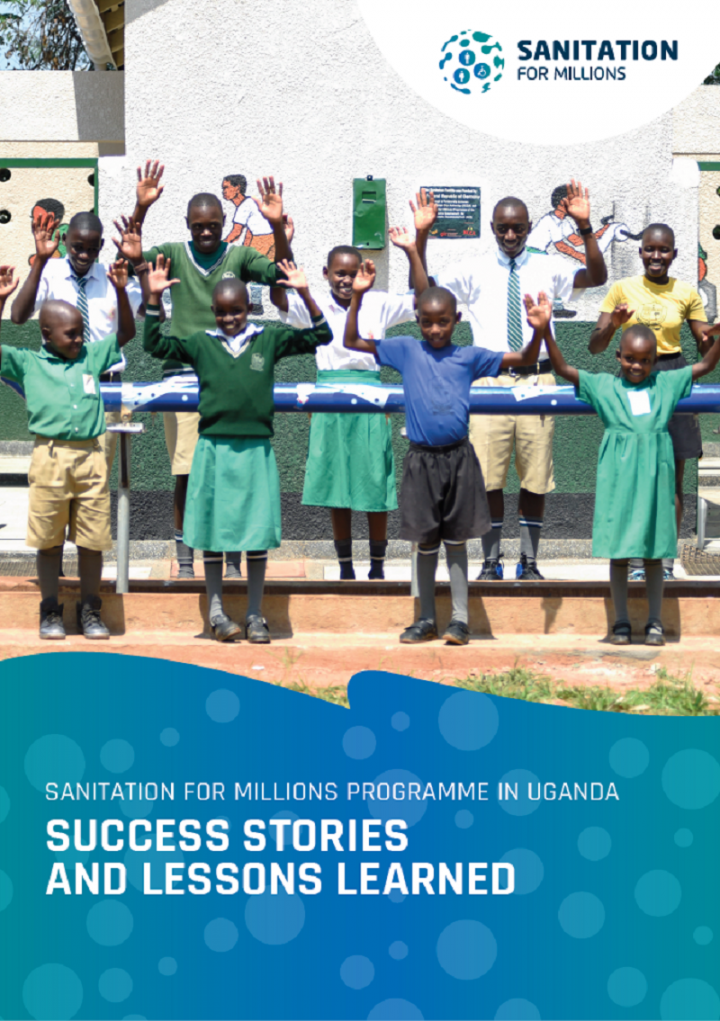
Sanitation for Millions Uganda implementation team (2021) Sanitation for Millions Programme in Uganda- Success stories and lessons learned
Sanitation for Millions is a global multi-donor programme to improve access to safe sanitation and hygiene with a focus on vulnerable and disadvantaged groups. More than one million people in 14 countries have already benefitted directly from Sanitation for Millions’ measures that include the construction of sanitary facilities, capacity development to ensure adequate use, operation and maintenance, behaviour change measures towards safe hygiene as well […]
Online since: 09.02.2022
Views: 1643
Downloads: 330
Campbell, A. V. (2020) Integrated Urban Water Management (IUWM) Rapid Assessment: Godawari, Nepal
ENPHO and BORDA have been working in partnership since 2004 to improve living conditions and to protect natural resources and climatic conditions in inadequately served urban and peri-urban settlements in South Asia. Concentrated in the field of urban sanitation, key achievements include technical support and scaling up of Decentralized Wastewater Treatment Systems (DEWATS), introducing Faecal Sludge Management (FSM) services in Nepal, local Water, Sanitation and […]
Online since: 28.07.2021
Views: 2075
Downloads: 657
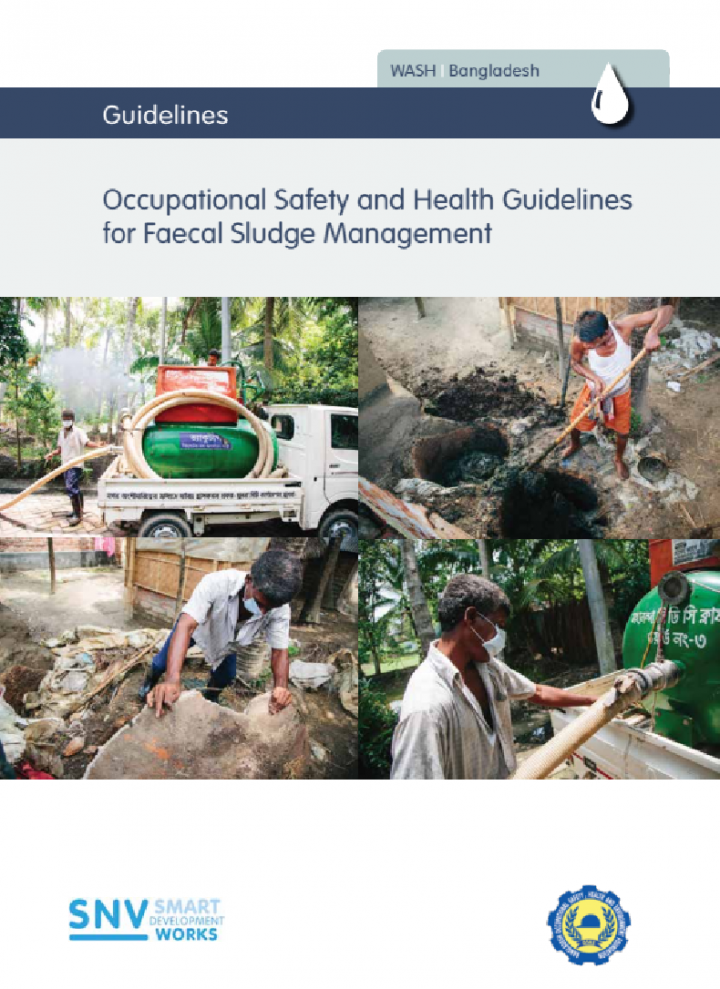
Repon, A. C., Faruq, O., Mamtaz, R. (2015) Occupational Safety and Health Guidelines for Faecal Sludge Management
Demonstration of Pro-poor Market-based Solutions for Faecal Sludge Management in Urban Areas of Southern Bangladesh is a project implemented by SNV Netherlands Development Organisation in partnership with Khulna City Corporation, Jhenaidah and Kushtia Paurashavas. Improvement of working conditions in sludge emptying and transportation is identified as a major area of action under the project. In line with this commitment, the initiative has been taken to […]
Online since: 01.06.2021
Views: 2689
Downloads: 1207
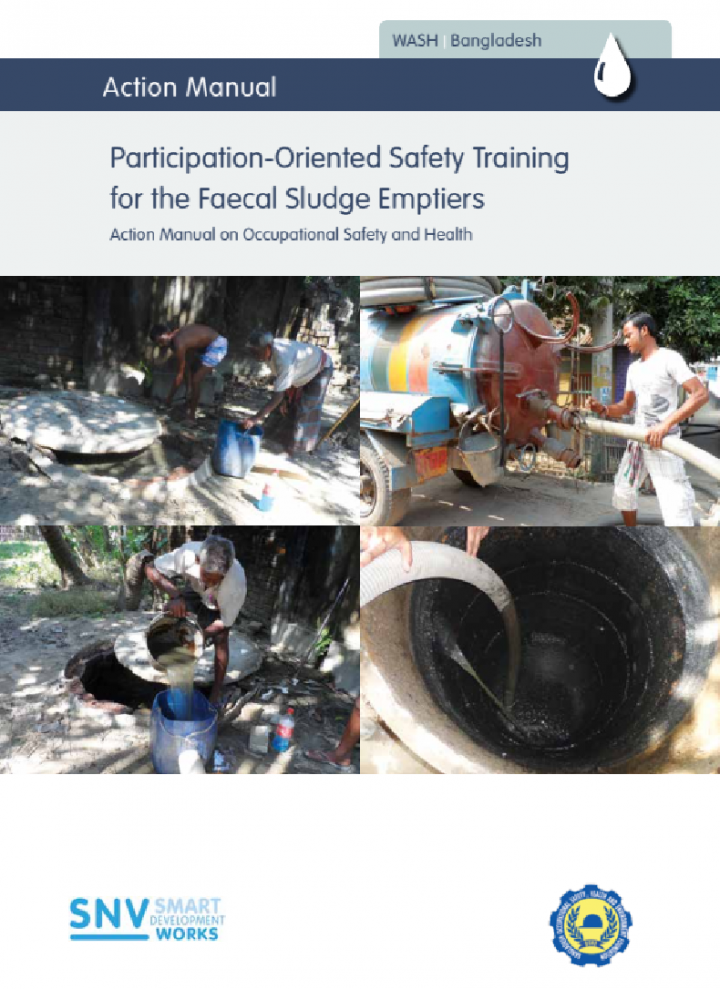
Repon, A. C., Faruq, O., Mamtaz, R. (2015) Participation-Oriented Safety Training for the Faecal Sludge Emptiers
In Bangladesh, the most commonly used sanitation options such as pit-latrines and pour-flush latrine use pits or septic tanks for containing faecal sludge (FS) for a certain period of time which require regular emptying when the tanks or pits become full. This emptying and disposing of faecal sludge is usually performed in a traditional (manual) way by a certain group of people in the society […]
Online since: 01.06.2021
Views: 1692
Downloads: 395
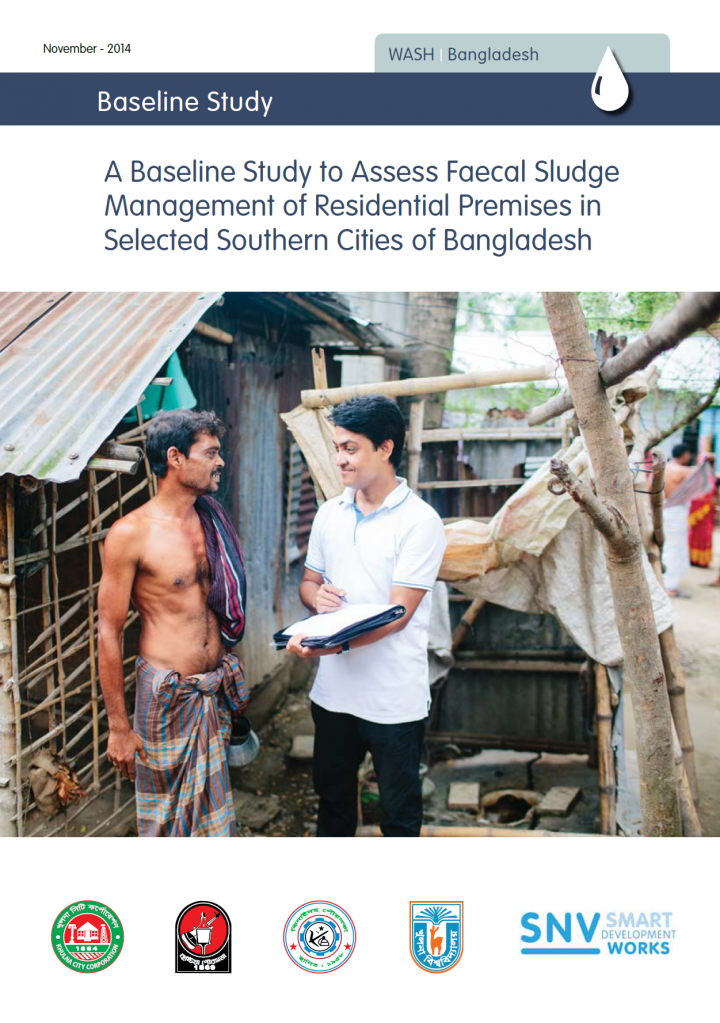
Kabir, A. and Salahuddin, M. (2014) A Baseline Study to Assess Faecal Sludge Management of Residential Premises in Selected Southern Cities of Bangladesh
The main objective of this baseline study was to understand the current situation of faecal sludge management (FSM) and practices of residential premises in three cities in southern Bangladesh: Khulna, Kushtia and Jhenaidah. A second objective was to establish a benchmark for the FSM programme. The baseline consists of two parts: 1) A quantitative part measuring access to sanitation, hygiene and FSM services at residential premises. 2) […]
Online since: 01.06.2021
Views: 1686
Downloads: 329
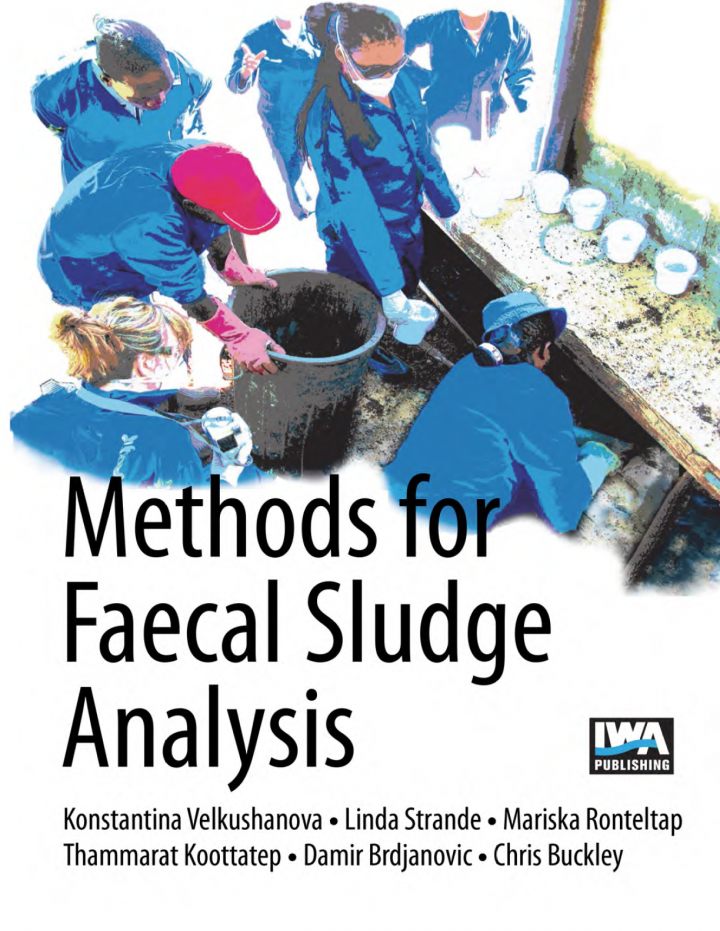
Various Authors (2021) Methods for Faecal Sludge Analysis
Faecal sludge management is recognized globally as an essential component of city-wide inclusive sanitation. However, a major gap in developing appropriate and adequate management and monitoring for faecal sludge is the ability to understand and predict the characteristics and volumes of accumulated faecal sludge, and correlations to source populations. Since standard methods for sampling and analysing faecal sludge do not currently exist, results are not […]
Online since: 15.03.2021
Views: 1515
Downloads: 323
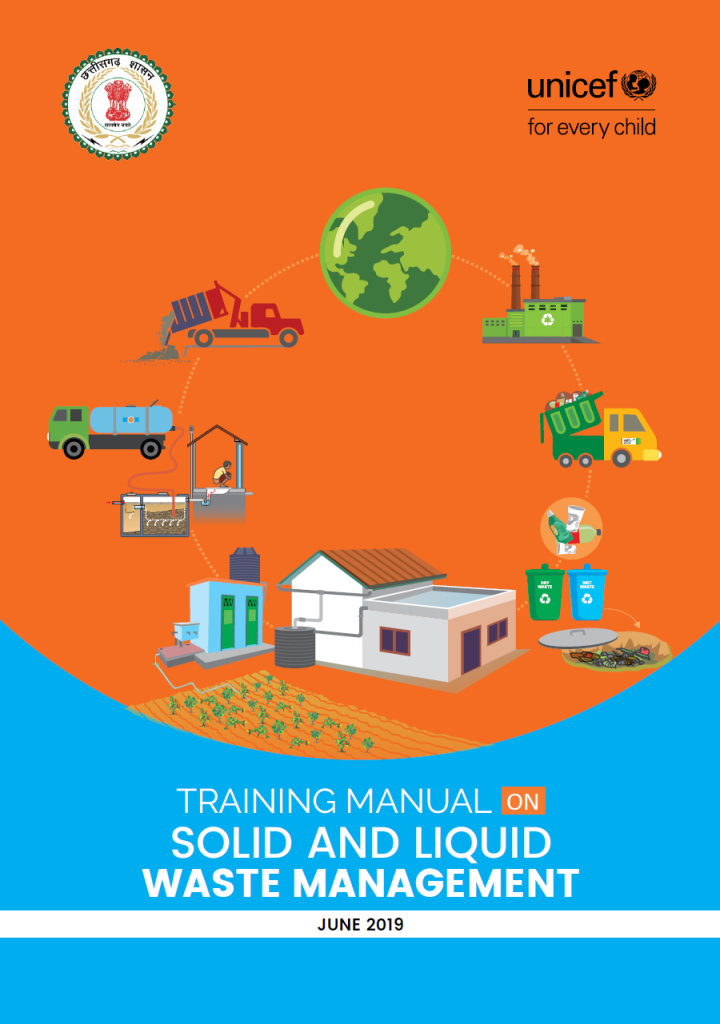
UNICEF (2019) Training Manual on Solid and Liquid Waste Management
After achieving the target of universal coverage of individual household toilet, Swachh Bharat Mission Gramin is working towards addressing the menace of solid and liquid waste management (SLWM) to ensure clean and healthy villages. Government of Chhattisgarh has taken a sustainable approach to address solid and liquid waste in the state. SBM-G has adopted decentralized processes for waste management and conservation of natural resources. The Program […]
Online since: 26.02.2021
Views: 3555
Downloads: 5948
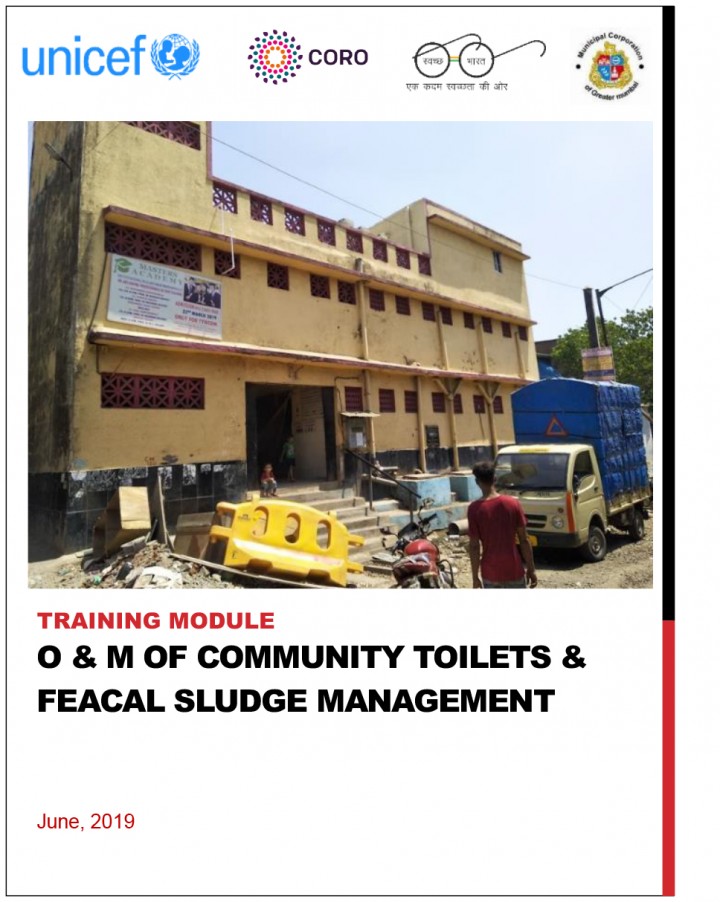
Pramod Dabrase (2019) Operations and Maintenance Manual for Community Toilets and Faecal Sludge Management
The training focuses on developing capacities of all the stakeholders including operators, service providers, Municipal Corporation, elected representatives etc. This training aims at conveying the key concepts and how to do the operation and maintenance of community toilets and management of feacal sludge in an effective manner, what are the basic non-negotiable elements versus want are the preferred element. The training element are based on […]
Online since: 01.02.2021
Views: 1584
Downloads: 387
Department of Drinking Water and Sanitation (2019) From ODF to ODF+, Rural Sanitation Strategy 2019 - 2029
This ten year sanitation strategy for rural areas in India, prepared by the Department of Drinking Water and Sanitation (DDWS), Ministry of Jal Shakti, Government of India, in consultation with State Governments and other stakeholders, lays down the framework for achieving this long term vision. The strategy is intended to guide, local governments, policy makers, implementers and all relevant stakeholders including the people of rural […]
Online since: 01.02.2021
Views: 1479
Downloads: 320
UNICEF and Centre for Policy Research (2020) Solid and Liquid Waste Management in Odisha
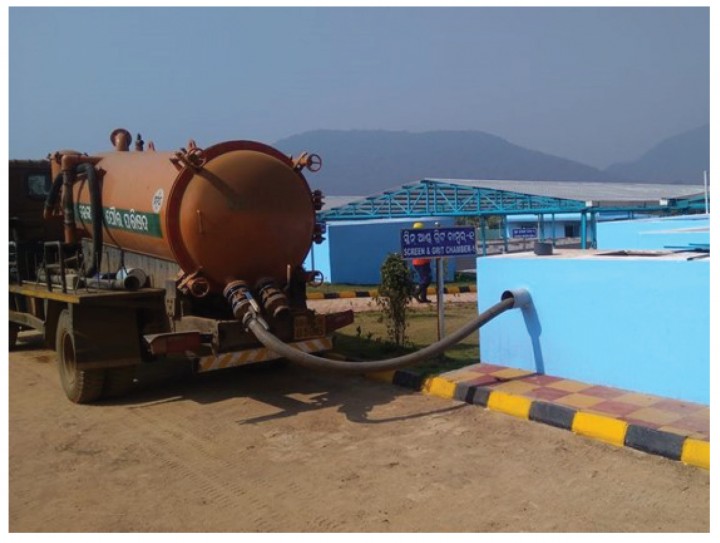
The brochure summarizes the FSM project piloted in Dhenkanal, Odisha, and the journey the district undertook to become one of first districts to have 'safely managed' sanitation systems in India. The Project is being implemented in the Dhenkanal district in the state of Odisha in consultation and partnership with the Panchayat Raj and Drinking Water Department and Housing and Urban Development Department, Government of Odisha, the […]
Online since: 27.01.2021
Views: 1089
Downloads: 296
UNICEF (2019) Report on Wayanad FSTP
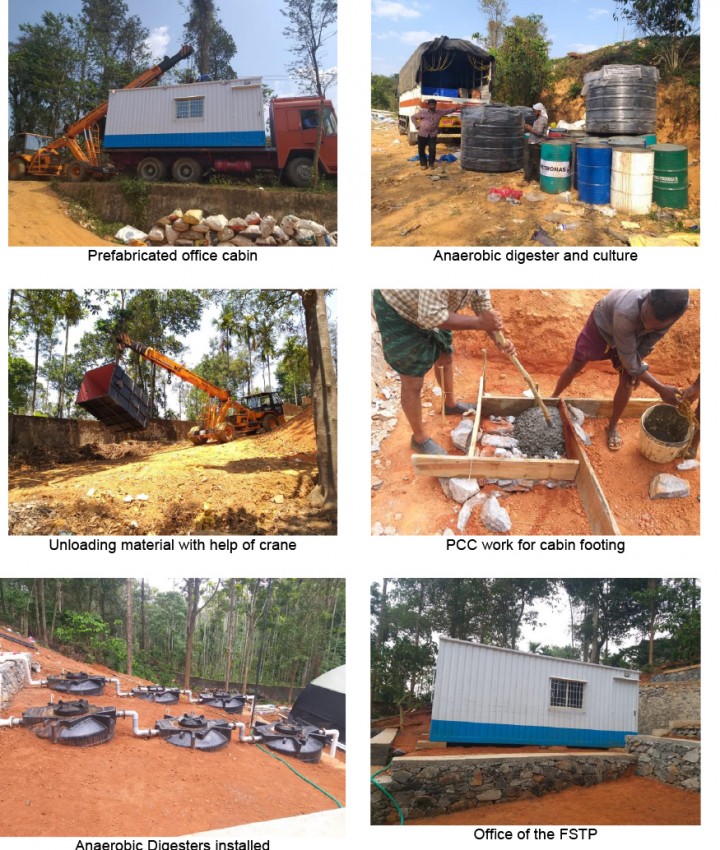
Wayanad's pilot project on faecal sludge management (FSM) has encouraged risk-informed programming, innovation, in the sanitation sector. A unique waste management system has been commissioned in Wayanad that uses vermifiltration (use of worms) to process waste and turn it into compost and useable greywater.
Online since: 25.01.2021
Views: 868
Downloads: 286
TBF Environmental Consultants and UNICEF (2019) Using Vermifiltration for Faecal Sludge Management
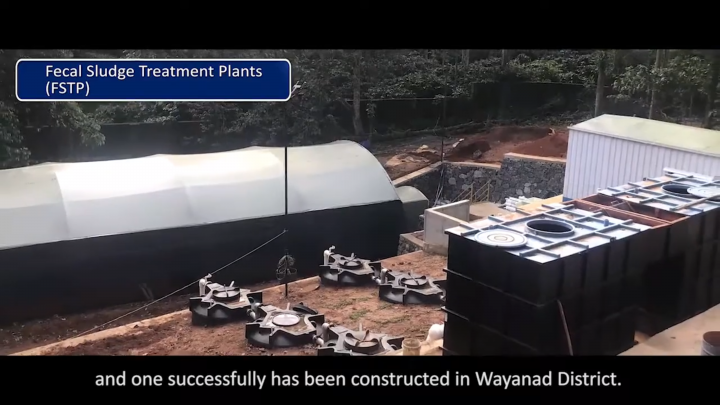
The Government of Kerala became open defecation free in 2016, allowing it to tackle the next challenge on the sanitation cycle - Faecal Sludge management. With funding support and supervision from UNICEF, and technical implementation by PriMove and TBF Environmental Solutions, Wayanad district constructed a Faecal Sludge Treatment Plant (FSTP) that uses earthworms to filter through the waste and produce safe compost and […]
Online since: 25.01.2021
Views: 1178
Downloads: 0
Sengupta, S., and Anand, S. (2020) Toolkit for Managing Faecal Sludge in Rural Areas (in Hindi)
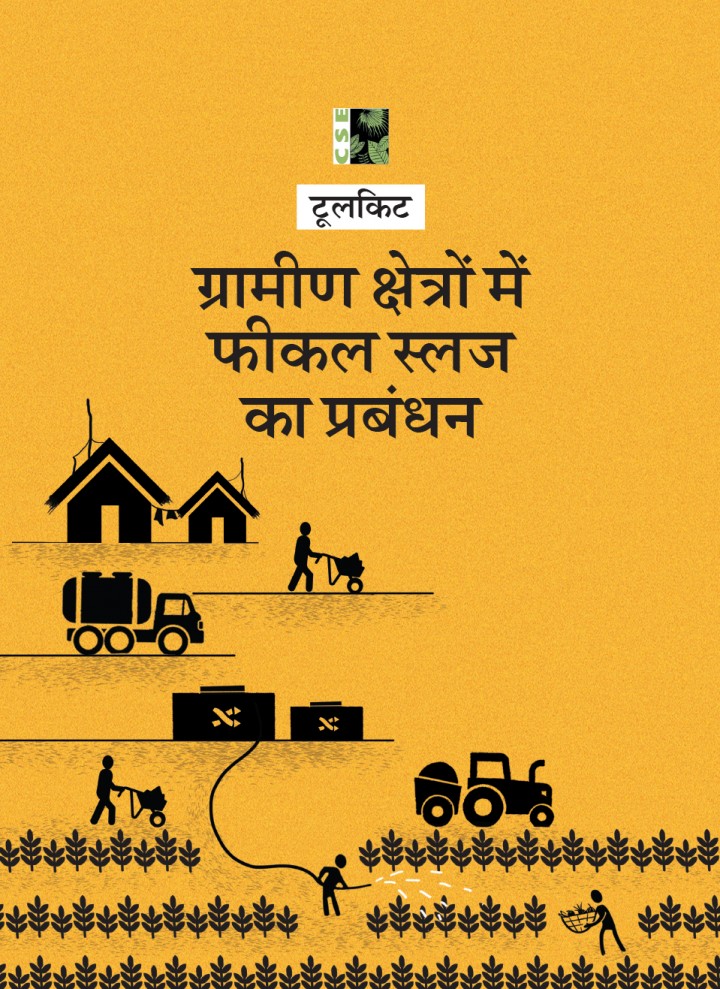
Faecal sludge management is essential to consolidate the gains from Swachh Bharat Mission. This is a toolkit in Hindi for practitioners for FSM in rural India. This toolkit in Hindi is a useful toolkit for managing faecal sludge in rural areas. It fills a gap in know-how and is of use to planners and practitioners to improve the management of faecal sludge in rural areas. […]
Online since: 25.01.2021
Views: 1667
Downloads: 299
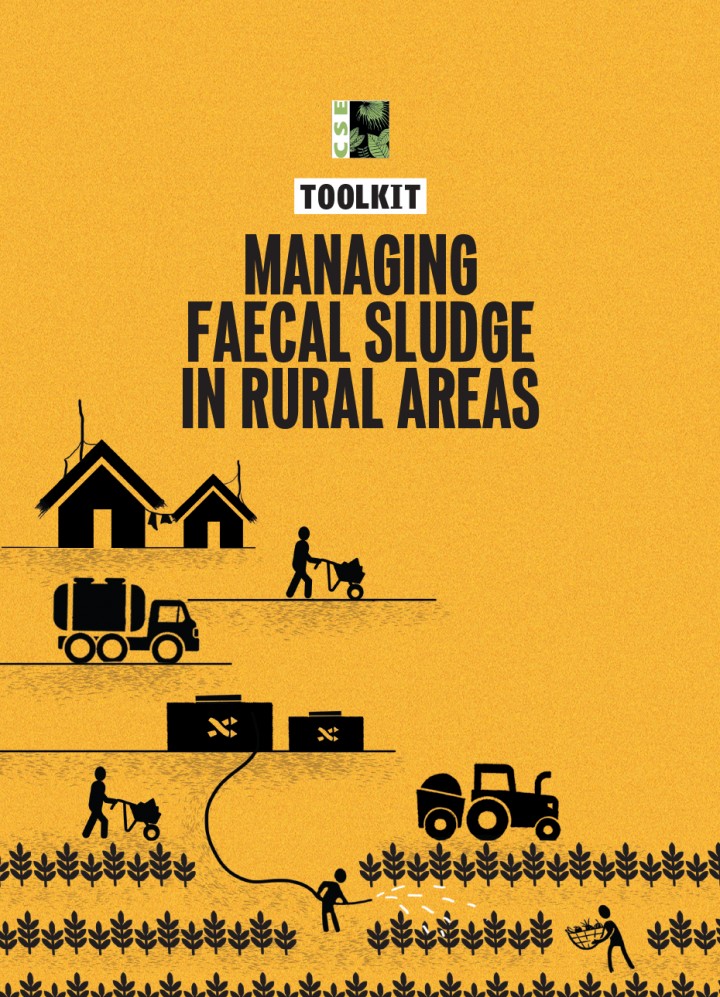
Verma, R., Sengupta, S., and Anand, S. (2020) Toolkit for Managing Faecal Sludge in Rural Areas
This toolkit (in English) is intended for practitioners and designers of faecal sludge management systems. It is a useful toolkit for managing faecal sludge in rural areas. It fills a gap in know-how and is of use to planners and practitioners to improve the management of faecal sludge in rural areas. While written with India in mind, it can be used in other developing countries. A […]
Online since: 25.01.2021
Views: 1867
Downloads: 354
UNICEF India (WASH) (2020) FSM, A Priority for Improving Quality of Health and Water Sources Faecal sludge management is essential to consolidate the gains from Swachh Bharat Mission
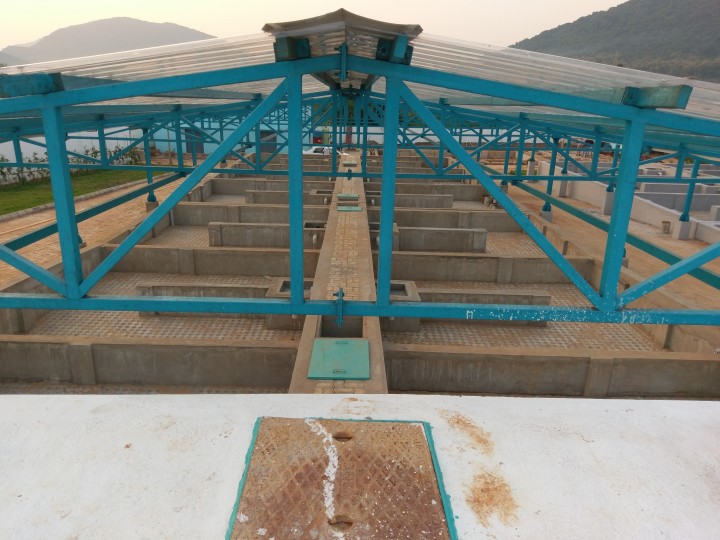
The Swachh Bharat Mission (SBM), the flagship sanitation scheme of the Government of India has revolutionized India’s sanitation landscape. However, there are still gaps which need to be bridged to sustain and build upon the success realized. This article by the UNICEF India water, sanitation and hygiene (WASH) team highlights why faecal sludge management is the next practical step to keeping India safe and clean.
Online since: 22.01.2021
Views: 1911
Downloads: 945
Ministry of Drinking Water and Sanitation (2021) Faecal sludge management in India A quick take on FSM policies and practice
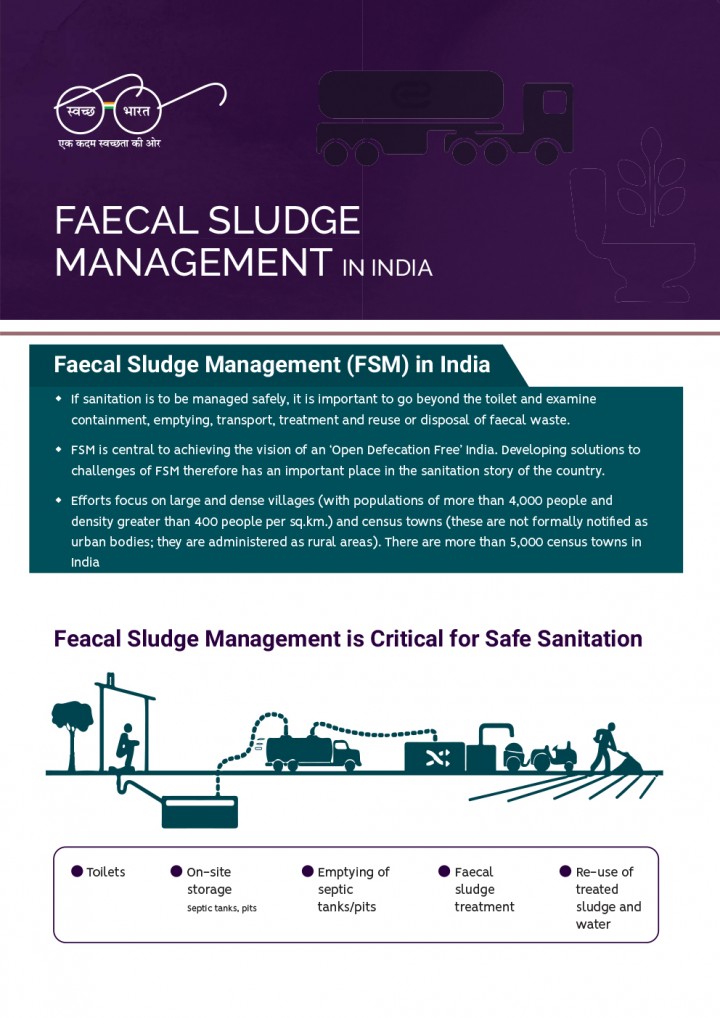
This leaflet in English presents a summary of the national policies and some initiatives to manage faecal sludge from around the country. It ends with suggestions for managing faecal sludge covering technology, community engagement and tariffs.
Online since: 22.01.2021
Views: 1595
Downloads: 1070
NFSSM Alliance & Niti Aayog (2021) Faecal Sludge and Septage Management inUrban Areas Service & Business Models
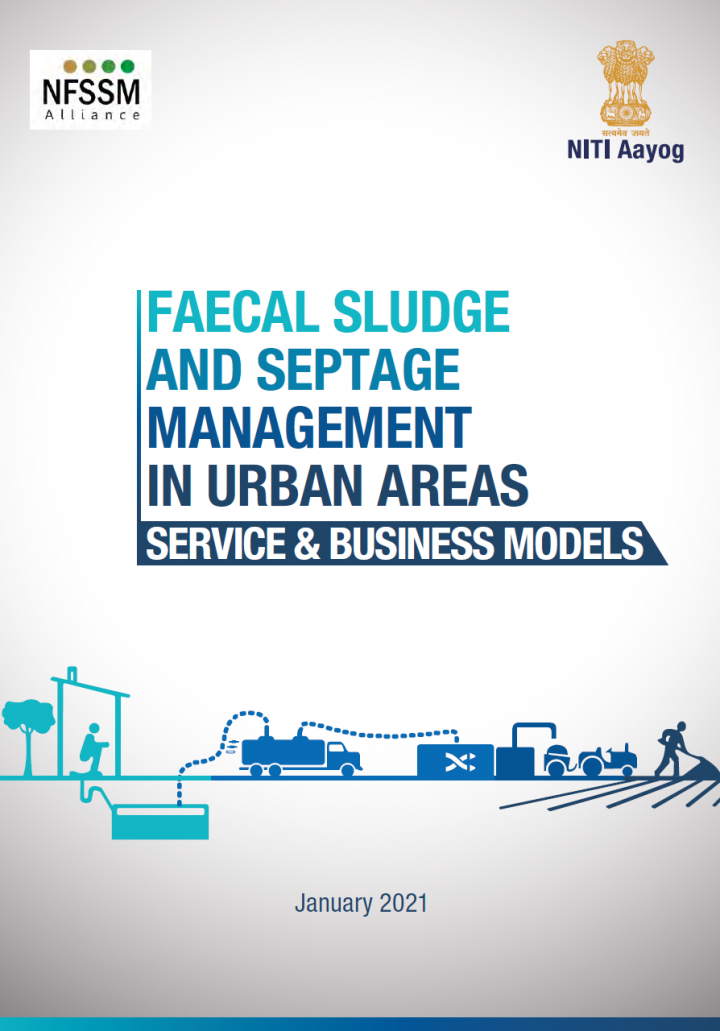
The Faecal Sludge and Septage Management: Service Business Models shares leading practices and innovations to improve how faecal sludge is managed, and how to expand services to the millions of people living in thousands of cities in urban India, lacking access to safely managed sanitation.
Online since: 21.01.2021
Views: 1463
Downloads: 313
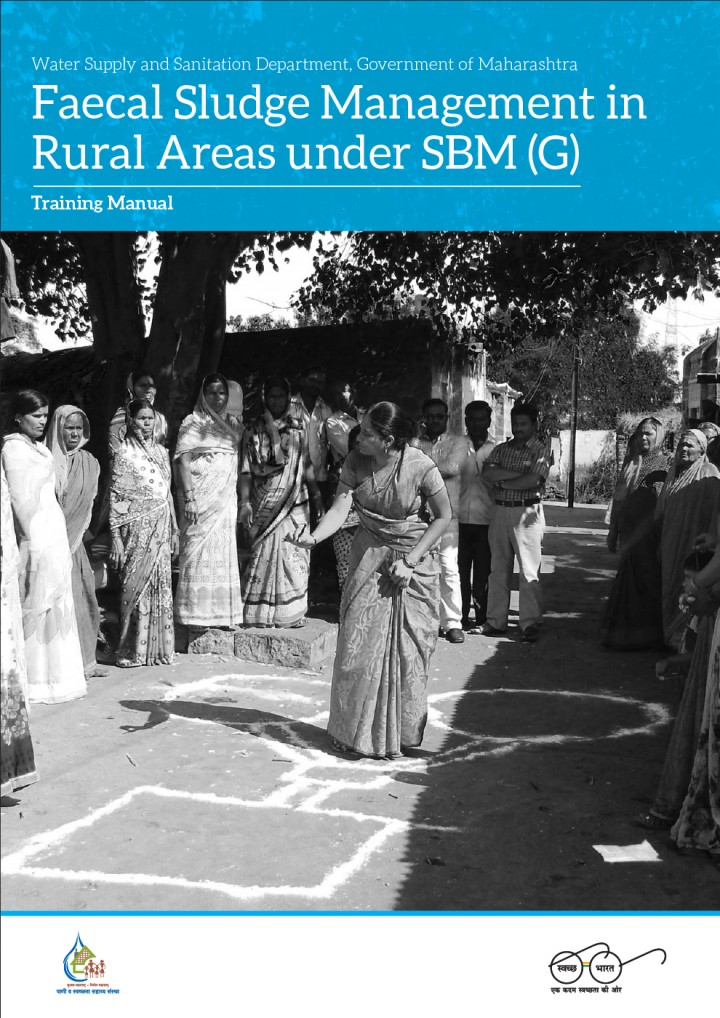
(2018) Faecal Sludge Management in Rural Areas under SBM-G
UNICEF and the Water Supply and Sanitation Department of Maharashtra developed a manual to appraise government and village functionaries about the technical aspects, legal provisions, service value chain of FSM, relevant technologies of containment, collection, transportation and methodology for planning, implementation and monitoring of FSM projects.
Online since: 20.01.2021
Views: 2126
Downloads: 759