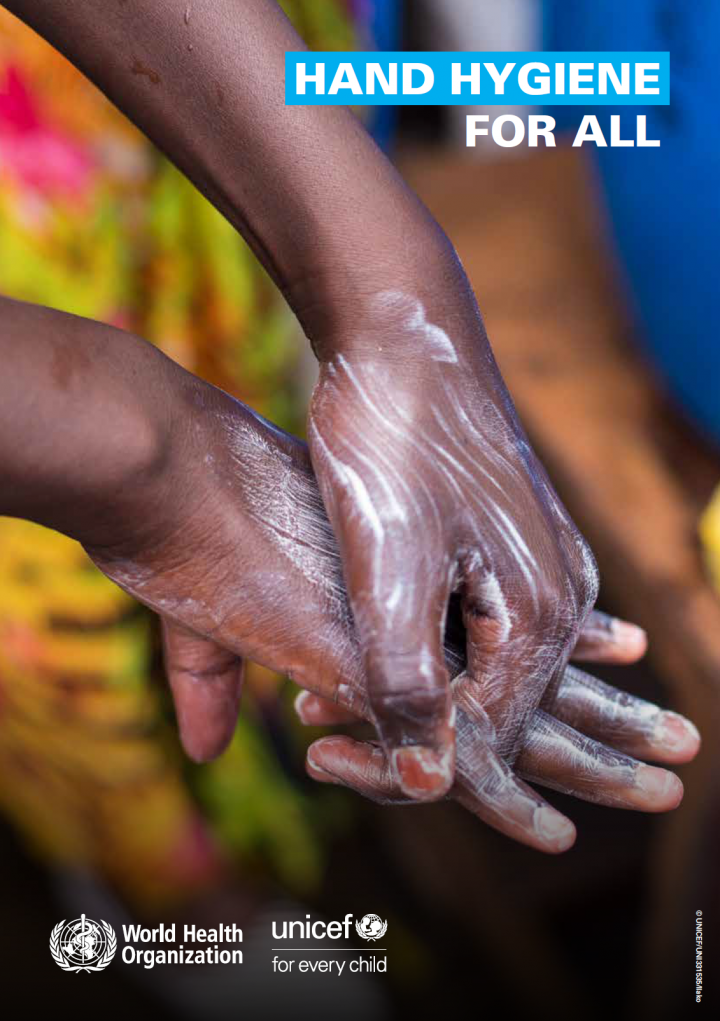
WHO, UNICEF (2020) Hand Hygiene for All
Three billion people – 40 per cent of the world’s population – do not have a place in their homes to wash their hands with water and soap. Threem quarters of those who lack access to water and soap live in the world’s poorest countries and are amongst the most vulnerable: children and families living in informal settlements, migrant and refugee camps, or in areas […]
Online since: 20.12.2021
Views: 880
Downloads: 283
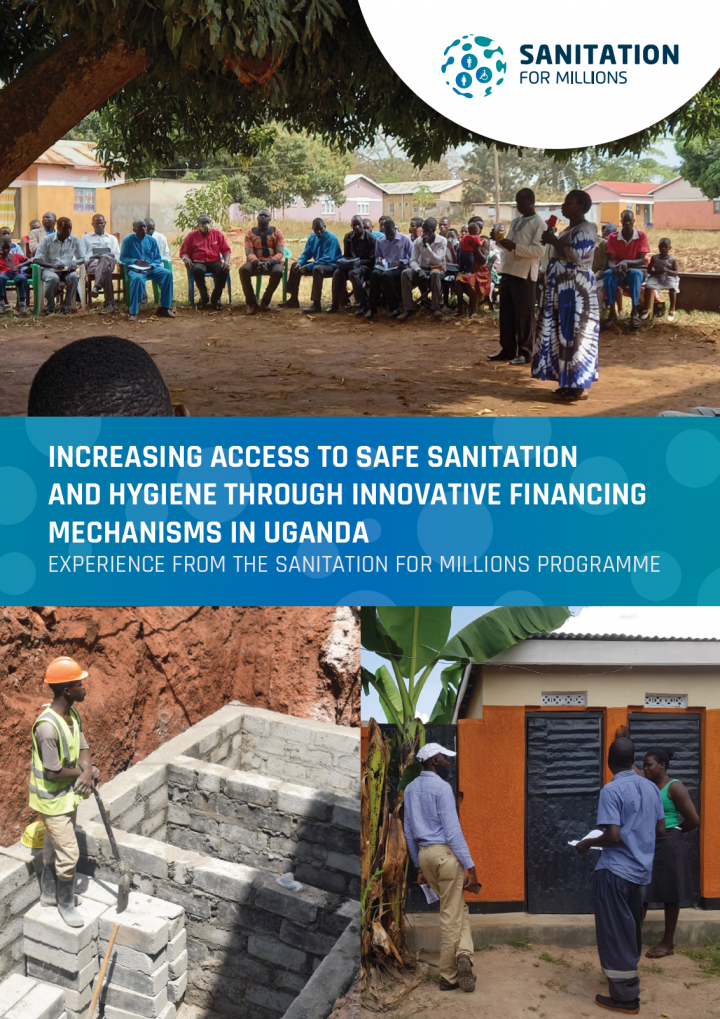
Sanitation for Millions (2021) Increasing access to safe sanitation and hygiene through innovative financing mechanisms in Uganda Experience from the Sanitation for Millions programme
Globally, 4.2 billion people do not have access to safe sanitation services, and approximately 3 billion lack basic handwashing facilities. Even in 2021, almost 700 million people still practise open defecation and nearly 400 million children attend schools with no sanitation facilities at all. The large financing gap has been identified as one of the greatest barriers to achieving the water, sanitation and hygiene-related targets of […]
Online since: 19.11.2021
Views: 1388
Downloads: 325
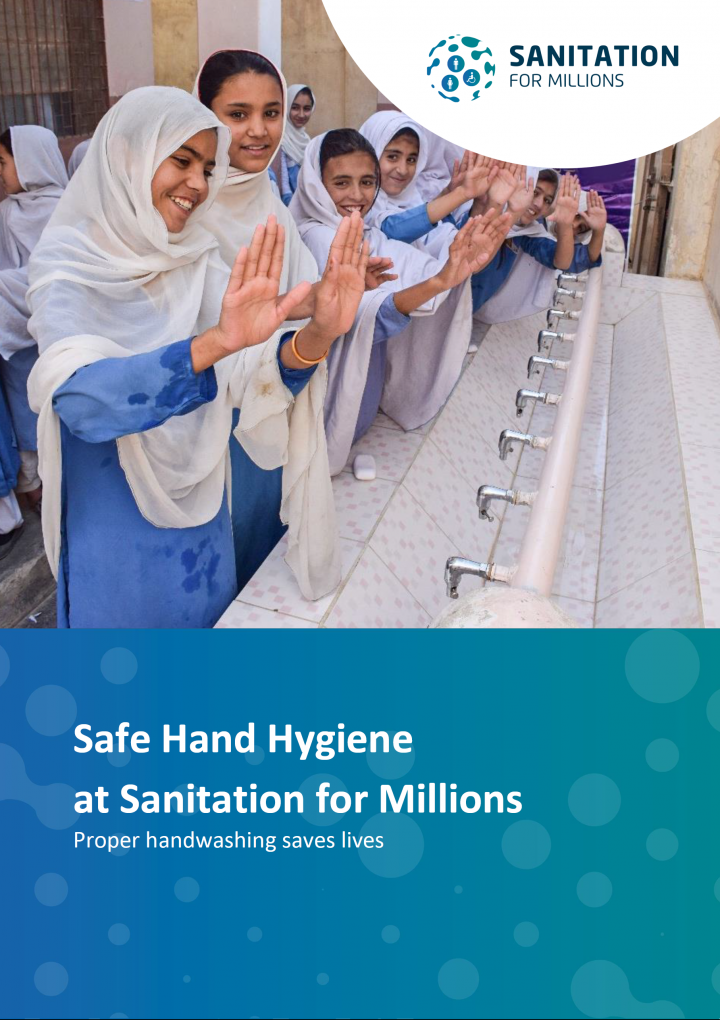
GIZ Sanitation For Millions (2021) Sanitation for Millions' approach to Safe Hand Hygiene
Sanitation for Millions has assessed its interventions in the three partner countries Jordan, Uganda and Pakistan in the context of the COVID-19 pandemic and identified various WASH-related measures which represent an adequate and effective response to COVID 19 in particular and to pandemics and infection control in general. Handwashing is one of the core activities carried out regarding safe hygiene. According to international research results, infections […]
Online since: 14.10.2021
Views: 1260
Downloads: 304
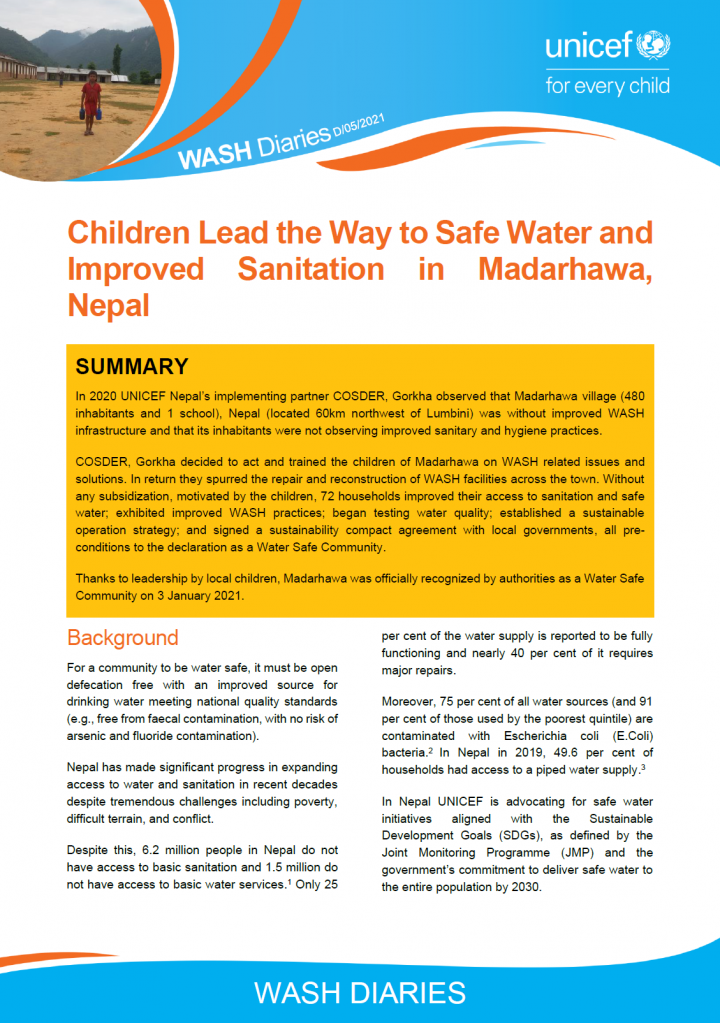
Dhakal, S.B. (2021) Children Lead the Way to Safe Water and Improved Sanitation in Madarhawa, Nepal
In 2020 UNICEF Nepal’s implementing partner COSDER, Gorkha observed that Madarhawa village (480 inhabitants and 1 school), Nepal (located 60km northwest of Lumbini) was without improved WASH infrastructure and that its inhabitants were not observing improved sanitary and hygiene practices. COSDER, Gorkha decided to act and trained the children of Madarhawa on WASH related issues and solutions. In return they spurred the repair and reconstruction […]
Online since: 02.09.2021
Views: 2357
Downloads: 402
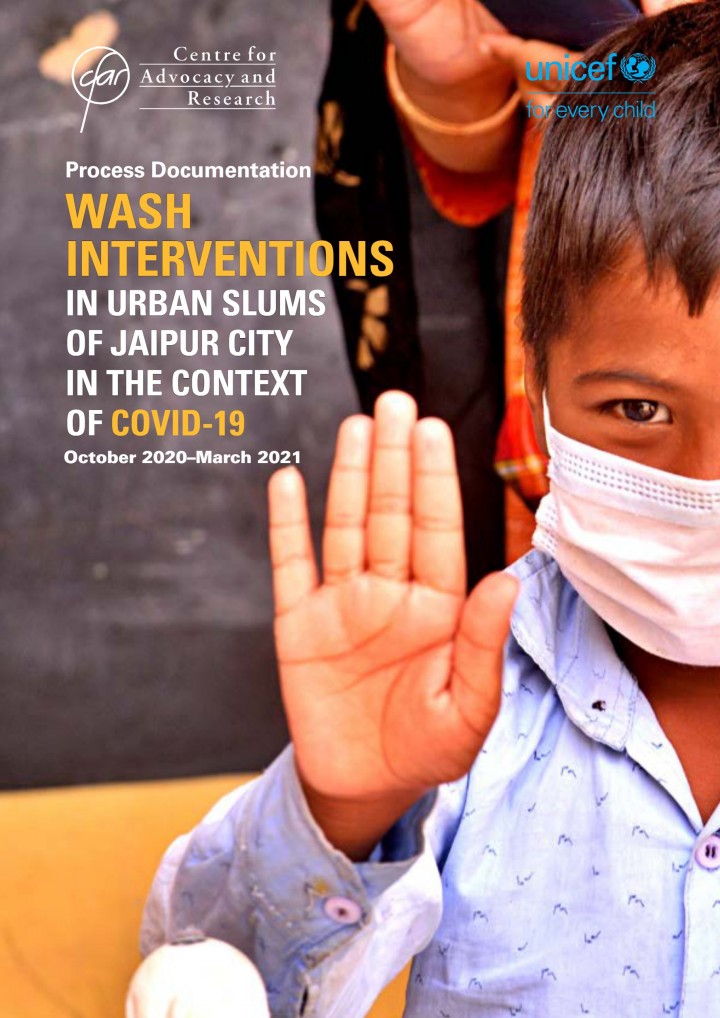
Khastagir, S. (2021) WASH Interventions in Urban Slums of Jaipur City in the Context COVID-19
IN 2020, UNICEF initiated WASH interventions in the urban slums of Jaipur city in partnership with the Centre for Advocacy and Research (CFAR). This was done in the context of the 2019 coronavirus (COVID-19) pandemic with a threefold objective. COVID-19 has highlighted the inter-linkages between health and hygiene and the vulnerability of the poor and the marginalized. As India battled with the second, and deadlier, […]
Online since: 30.08.2021
Views: 1506
Downloads: 332
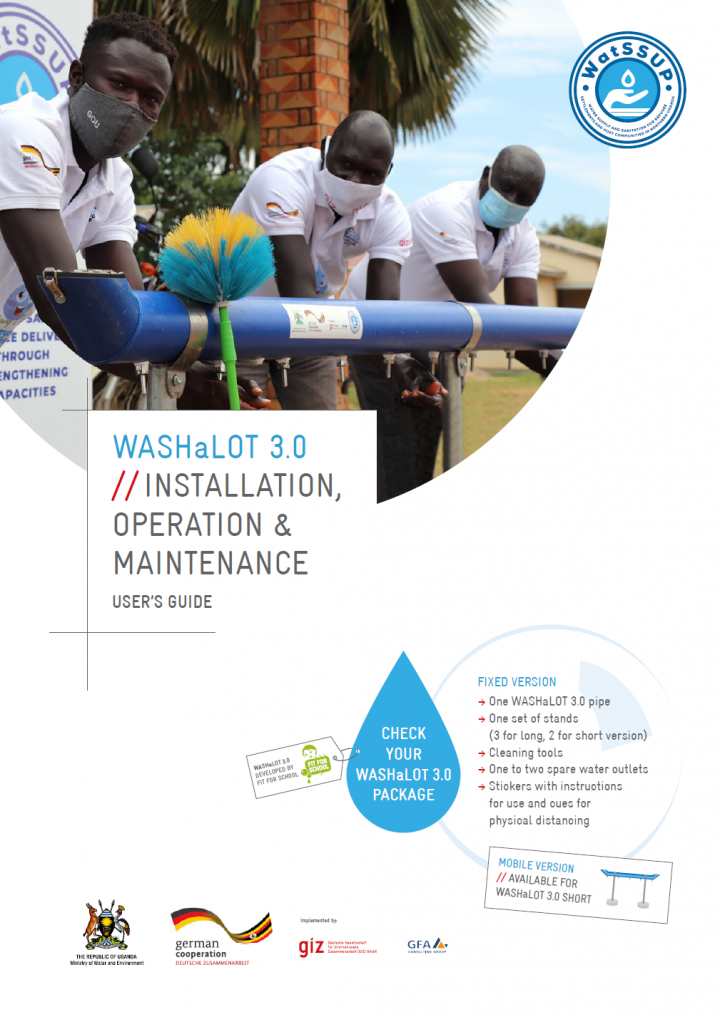
Madrid, F., Monse, B., Schlenk, J.C. (2021) WASHaLOT 3.0 Installation, Operation & Maintenance User’s Guide
As COVID response, the programme Water Supply and Sanitation for Refugee Settlements and Host Communities in Northern Uganda (WatSSUP) is supporting measures for improved hand hygiene in institutions. In cooperation with local actors the programme is implementing WASHaLOTs in Health Care Facilities, COVID-19 quarantine stations and schools in Northern Uganda. The WASHaLOT has been first developed by the GIZ Fit for School Programme in cooperation […]
Online since: 06.07.2021
Views: 2129
Downloads: 699
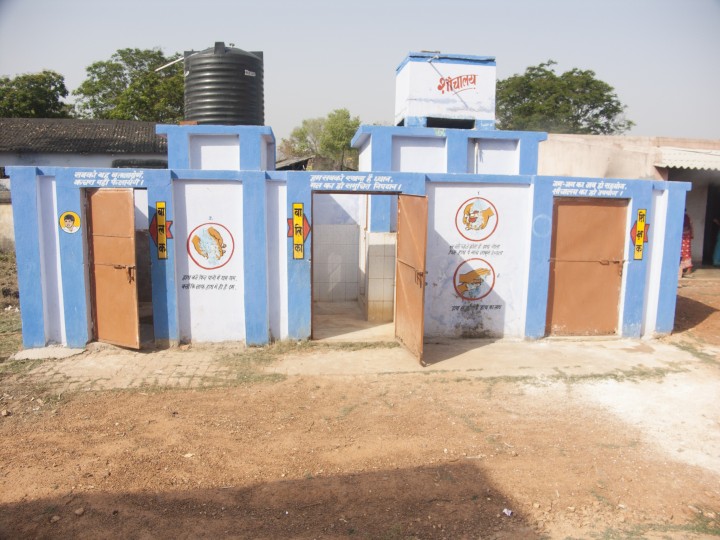
Satapathy, B. K., Kumar, A., (2021) Sustaining WASH Facilities and Services in Schools of Chhattisgarh in the COVID 19 Pandemic
UNICEF Chhattisgarh devised an approach to maintain the WASH infrastructure in schools considering the importance of continued WASH facilities and services in general and more specific to reopening of schools with this continuing COVID-19 pandemic. Functional WASH services for a clean and safe environment and maintaining respiratory and hand hygiene are the first line of defense against the pandemic and will require to […]
Online since: 01.07.2021
Views: 1141
Downloads: 291
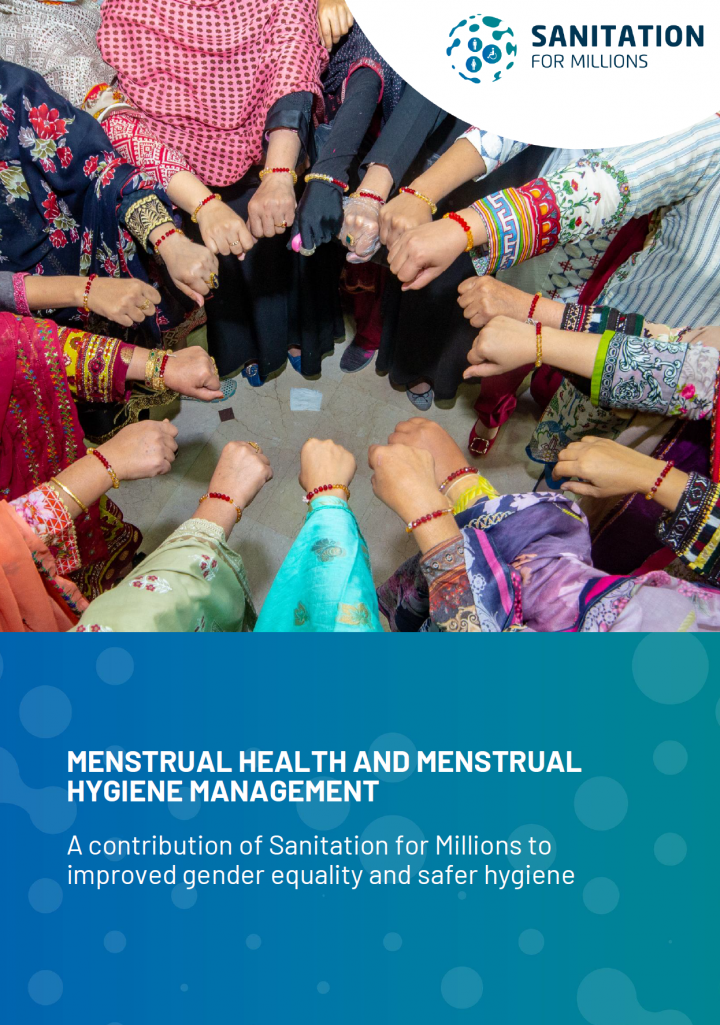
Gerlach, E. (2021) Menstrual Health and Menstrual Hygiene Management A contribution of Sanitation for Millions to improved gender equality and safer hygiene
Every day, millions of women and girls have to manage their menstruation, an entirely natural physiological process, yet one that often remains considered too ‘private’ to discuss, let alone manage confidently. Menstrual stigma remains entrenched in societies the world over, but the lack of adequate hygiene facilities and safe menstrual products is particularly acute in many developing countries. Cultural and social attitudes towards females’ place […]
Online since: 27.05.2021
Views: 3677
Downloads: 355
UNICEF, WaterAid (2021) Menstrual Hygiene in Schools in South Asia Country Snapshots
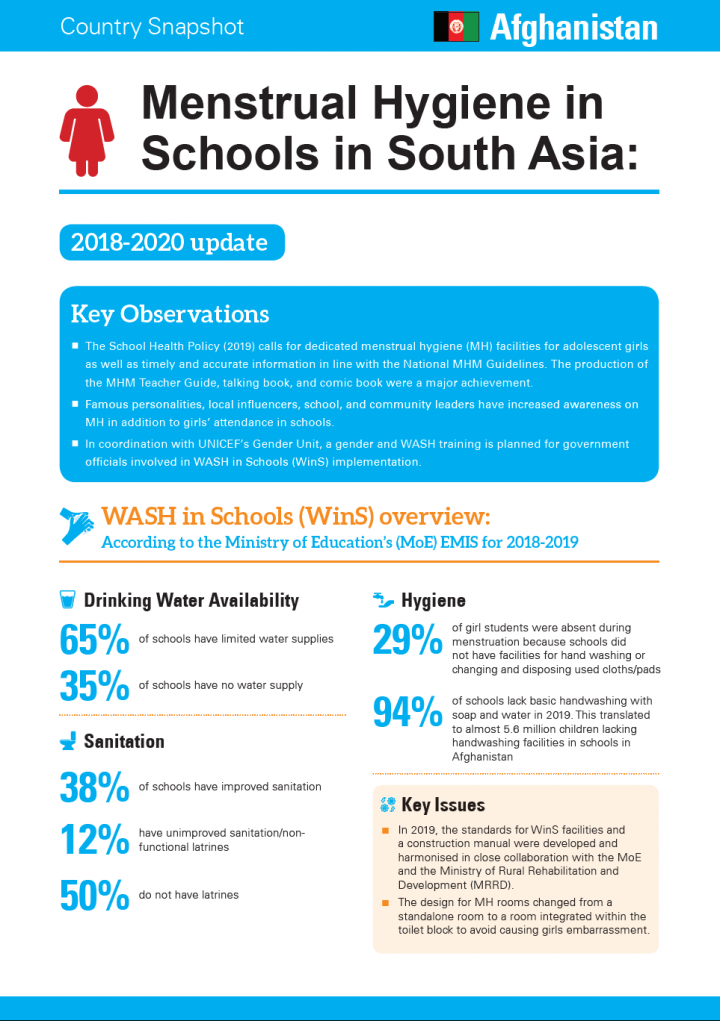
The Menstrual Hygiene in Schools in South Asia - Country Snapshots from UNICEF and WaterAid is divided into an 2018-2020 update including Key Observations, a country specific WASH in Schools (WinS) overview, a country specific MH Overview as well as the MH Journey in the countries Afghanistan, Bangladesh, Bhutan, India, Maldives, Nepal, Pakistan and Sri Lanka.
Online since: 18.05.2021
Views: 2995
Downloads: 7589
Cavill, S., Mahon, T., Lihemo, G. (2021) Menstrual Hygiene in South Asia Synthesis Report
This report provides a summary of the status of menstrual hygiene (MH) in schools in South Asia. It describes the context for MH in schools and progress in the implementation of MH services since 2018. It identifies progress and gaps in achieving sustainable and inclusive MH services in schools at scale. It draws together opportunities for further promoting and mainstreaming MH in schools in South […]
Online since: 18.05.2021
Views: 1969
Downloads: 400
RAIN Foundation (2007) A practical guide to sand dam implementation Water supply through local structures as adaptation to climate change
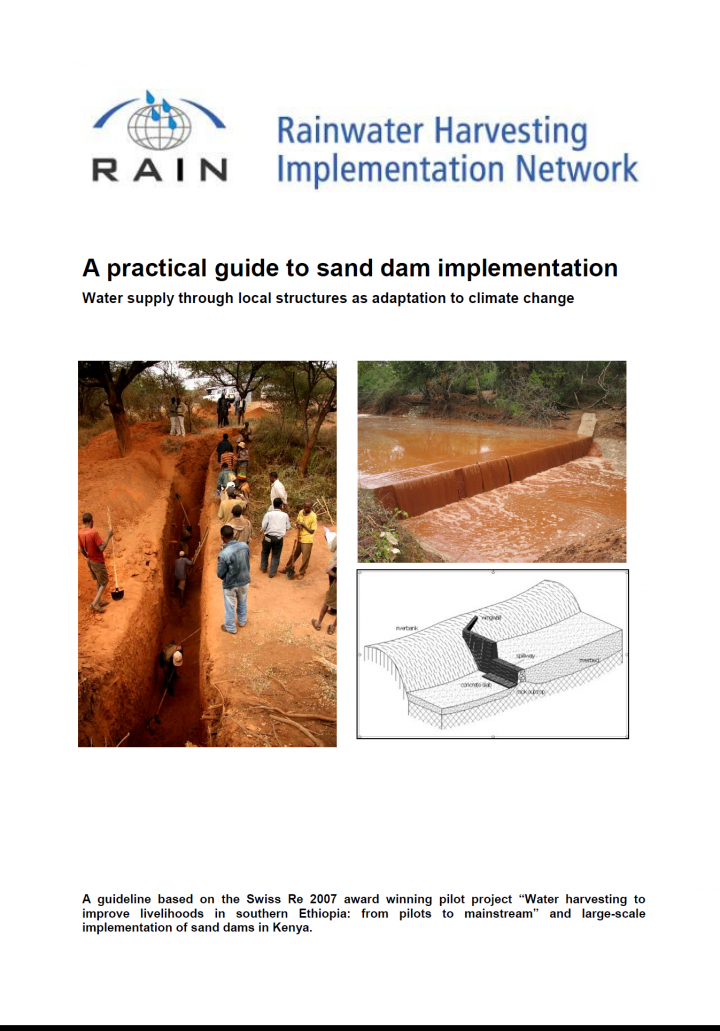
A guideline based on the Swiss Re 2007 award winning pilot project “Water harvesting to improve livelihoods in southern Ethiopia: from pilots to mainstream” and large-scale implementation of sand dams in Kenya. In the Kituï District of Kenya the SASOL (Sahelian Solutions) Foundation began constructing sand storage dams in 1995. Since this period, over 500 sand storage dams have been constructed. These vary in size […]
Online since: 25.03.2021
Views: 1400
Downloads: 2451
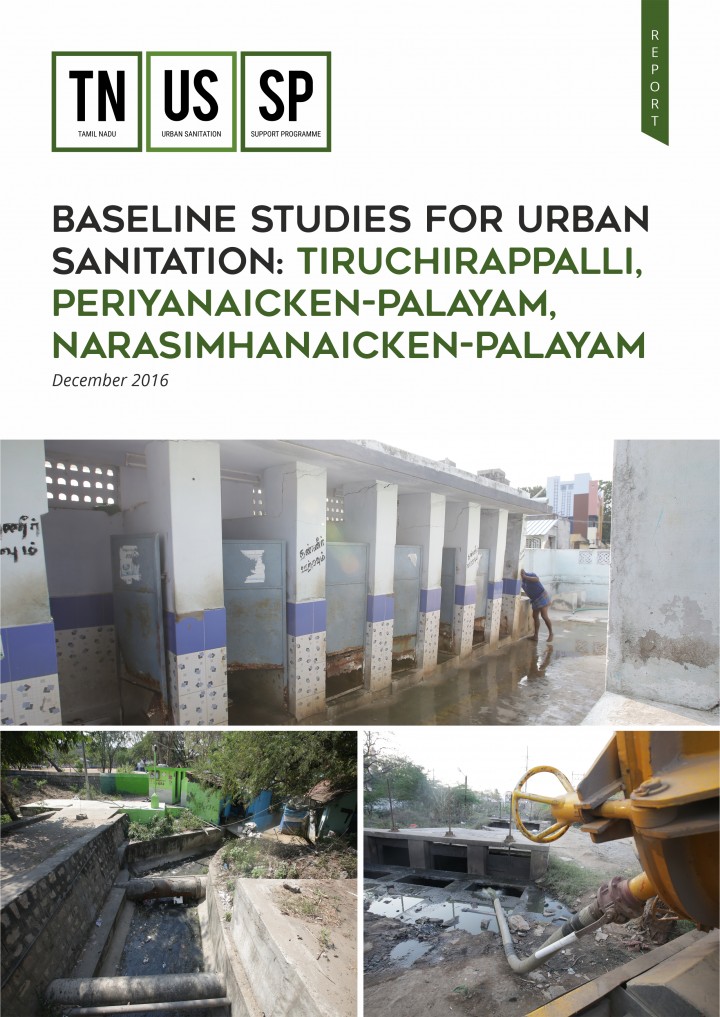
TNUSSP (2016) Baseline Studies for Urban Sanitation: Tiruchirappalli, Periyanaicken-Palayam, Narasimhanaicken-Palayam
TNUSSP carried out a baseline study in Tiruchirappalli city and the two town panchayats of Periyanaicken- Palayam and Narasimhanaicken-Palayam in Coimbatore district. The study aimed to profile households, establishments and schools in these locations in terms of their arrangement for toilets, existing containment types, collection, conveyance, and disposal mechanism along with water supply arrangements. Further, solid waste management and menstrual hygiene practices were also discussed […]
Online since: 16.03.2021
Views: 1146
Downloads: 285
Bobel, C., Winkler, I. T., Fahs, B., Hasson, K. A., Kissling, E. A., Roberts, T (2020) The Palgrave Handbook of Critical Menstruation Studies
This open access handbook, the first of its kind, provides a comprehensive and carefully curated multidisciplinary genre-spanning view of the state of the field of Critical Menstruation Studies, opening up new directions in research and advocacy. It is animated by the central question: ‘“what new lines of inquiry are possible when we center our attention on menstrual health and politics across the life course?” The […]
Online since: 17.02.2021
Views: 2374
Downloads: 368
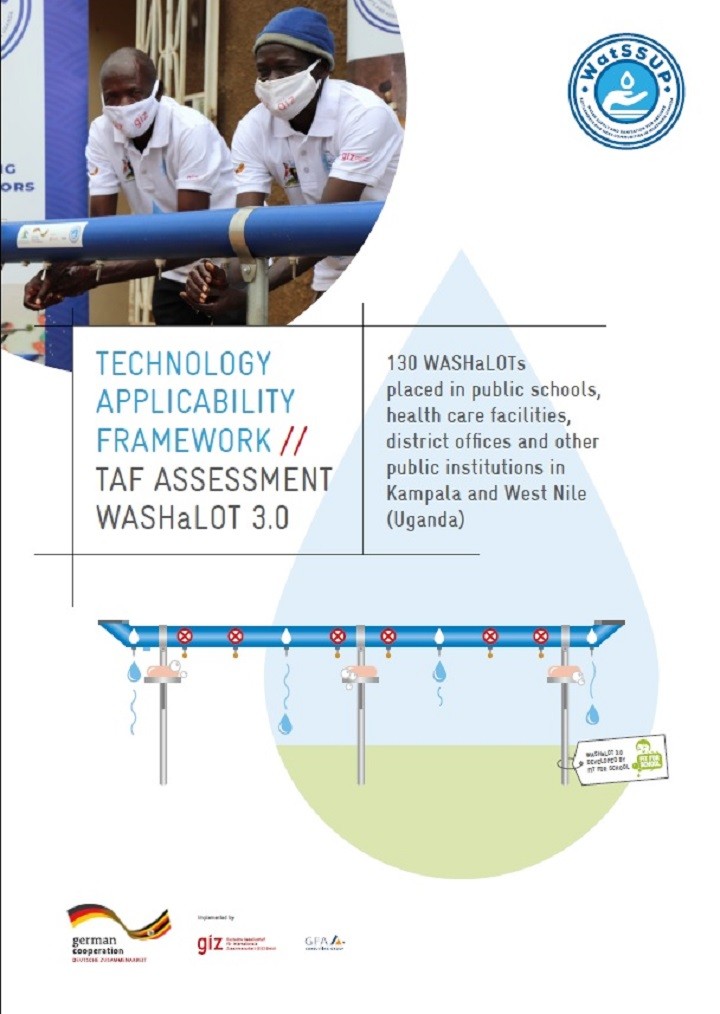
Srinivasan, S., Faithful, A. (2021) Technology Applicability Framework // Taf Assessment Washalot 3.0
130 WASHaLOTs placed in public schools, health care facilities, district offices and other public institutions in Kampala and West Nile (Uganda). In a participatory process, a technology implemented as a pilot is assessed through the perspective of three key stakeholder groups engaged with the implementation of the technology: user/buyer, producer/provider and regulator/ investor/facilitator. The three key stakeholder groups assess the six sustainability dimensions individually, resulting in […]
Online since: 14.01.2021
Views: 2894
Downloads: 319
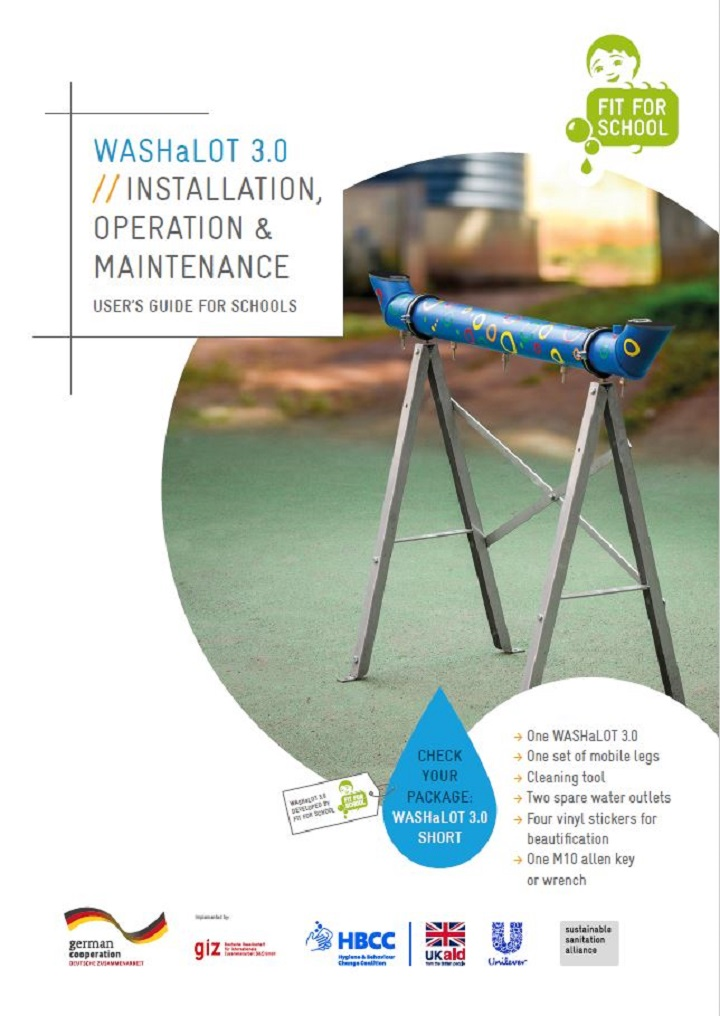
Madrid, F., Monse, B., Schlenk, J. (2021) WASHaLOT 3.0: User's Guide for Schools Installation, Operation and Maintenance
The WASHaLOT 3.0 is a low-cost and water-saving washing facility. For pandemic preparedness and response, the WASHaLOT 3.0 can be easily adjusted so that fewer water outlets are in use to ensure physical distancing. This user guide is produced to provide receiving schools with orientation on the WASHaLOT installation, guidance on operation & maintenance as well as recommendations for pandemic adjustments. The school community needs to be […]
Online since: 14.01.2021
Views: 1529
Downloads: 552
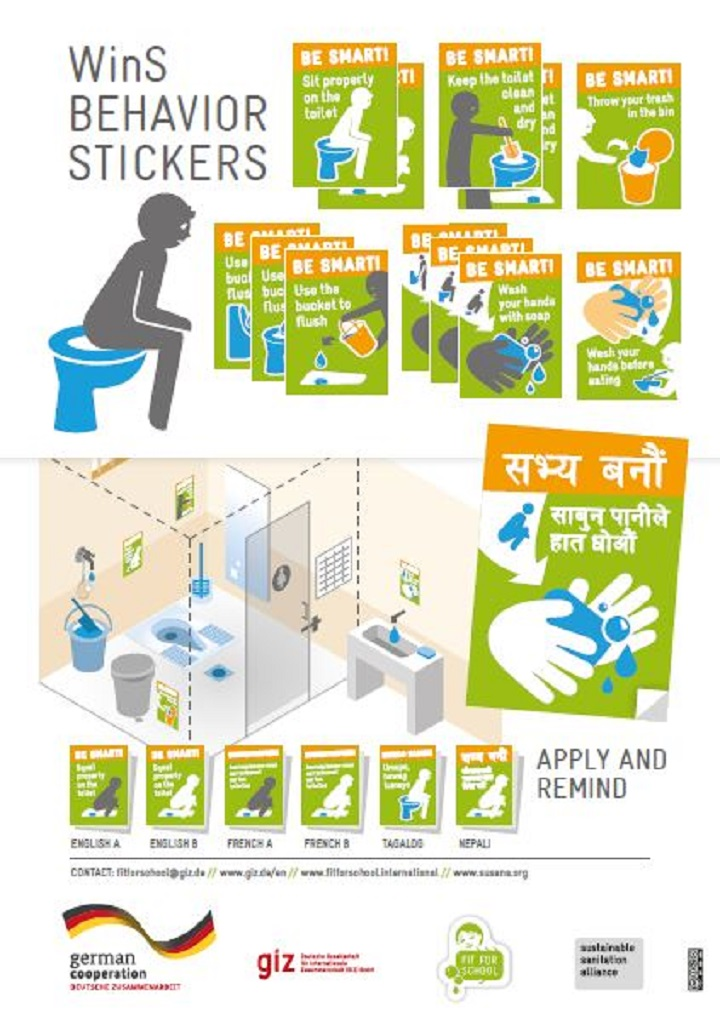
GIZ (2020) WinS Behavior Stickers Apply and Remind
Behavior stickers for WASH in schools (WinS) interventions to be used for applying and reminding users of hygienic habits.
Online since: 11.01.2021
Views: 3860
Downloads: 6607
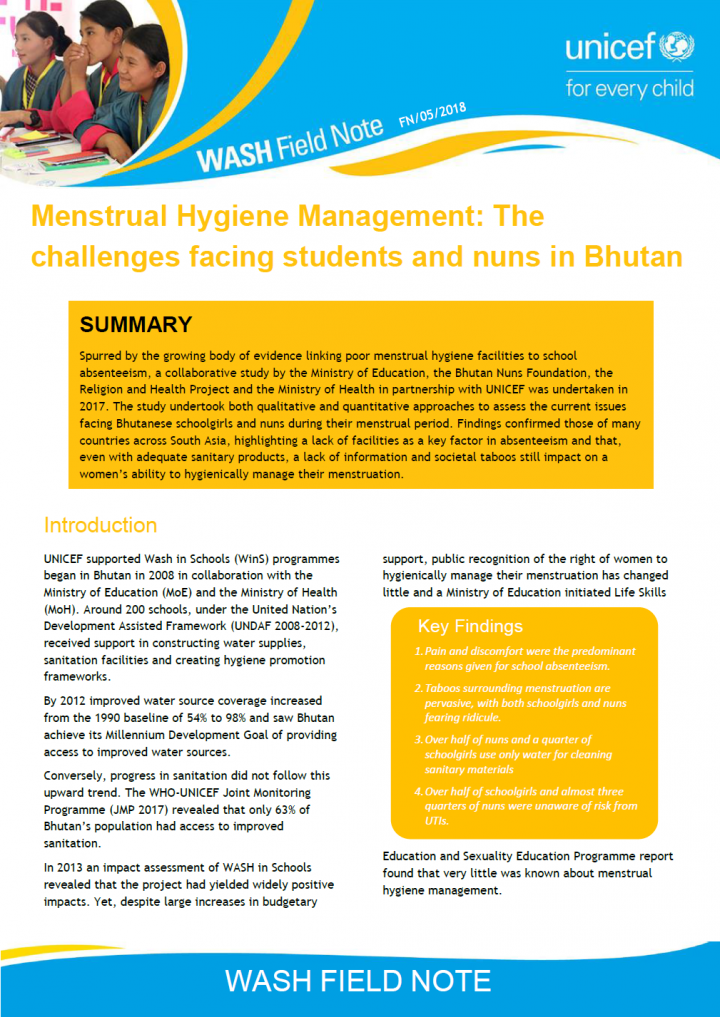
BA2ZSEEC, Dem, T., Choeden, J., Tshomo, D., Yangchen, K., Thinley, S., Gyaltshen, S., Dorji, C., Om, A. (2018) Menstrual Hygiene Management The challenges facing students and nuns in Bhutan
Spurred by the growing body of evidence linking poor menstrual hygiene facilities to school absenteeism, a collaborative study by the Ministry of Education, the Bhutan Nuns Foundation, the Religion and Health Project and the Ministry of Health in partnership with UNICEF was undertaken in 2017. The study undertook both qualitative and quantitative approaches to assess the current issues facing Bhutanese schoolgirls and nuns during their […]
Online since: 21.12.2020
Views: 1560
Downloads: 295
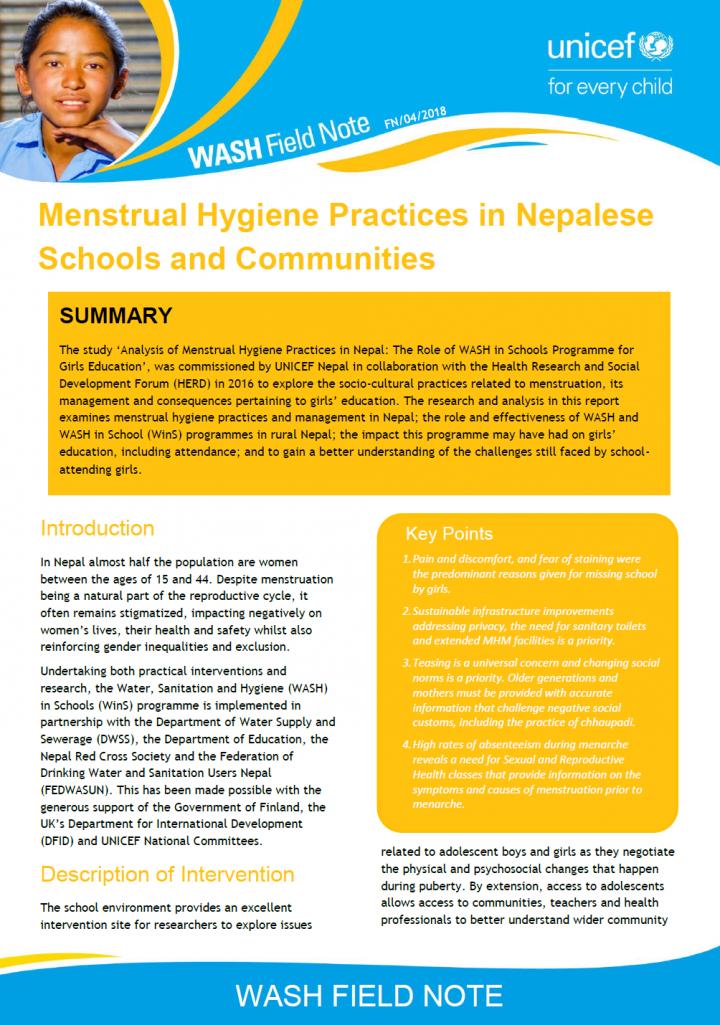
Sah, N., Shrestha, S., Dhakal, S., Ahmad, T. (2018) Menstrual Hygiene Practices in Nepalese Schools and Communities
The study ‘Analysis of Menstrual Hygiene Practices in Nepal: The Role of WASH in Schools Programme for Girls Education’, was commissioned by UNICEF Nepal in collaboration with the Health Research and Social Development Forum (HERD) in 2016 to explore the socio-cultural practices related to menstruation, its management and consequences pertaining to girls’ education. The research and analysis in this report examines menstrual hygiene practices and […]
Online since: 21.12.2020
Views: 1321
Downloads: 328
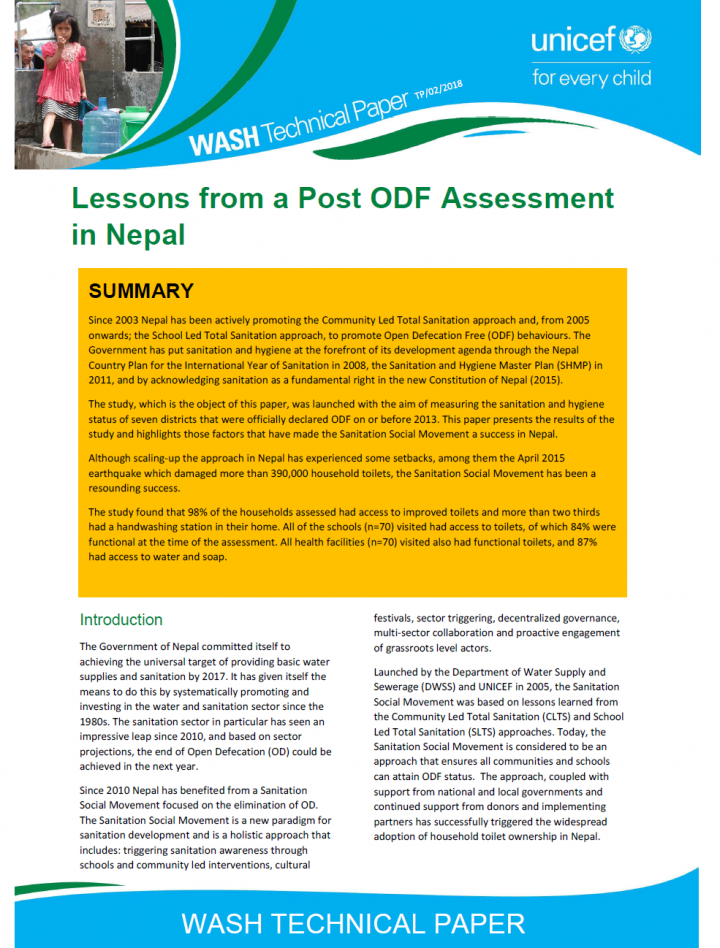
Shrestha, P., Shrestha, S., Dhakal, S., Ahmad, T. (2018) Lessons from a Post ODF Assessment in Nepal
Since 2003 Nepal has been actively promoting the Community Led Total Sanitation approach and, from 2005 onwards; the School Led Total Sanitation approach, to promote Open Defecation Free (ODF) behaviours. The Government has put sanitation and hygiene at the forefront of its development agenda through the Nepal Country Plan for the International Year of Sanitation in 2008, the Sanitation and Hygiene Master Plan (SHMP) in […]
Online since: 21.12.2020
Views: 1414
Downloads: 489
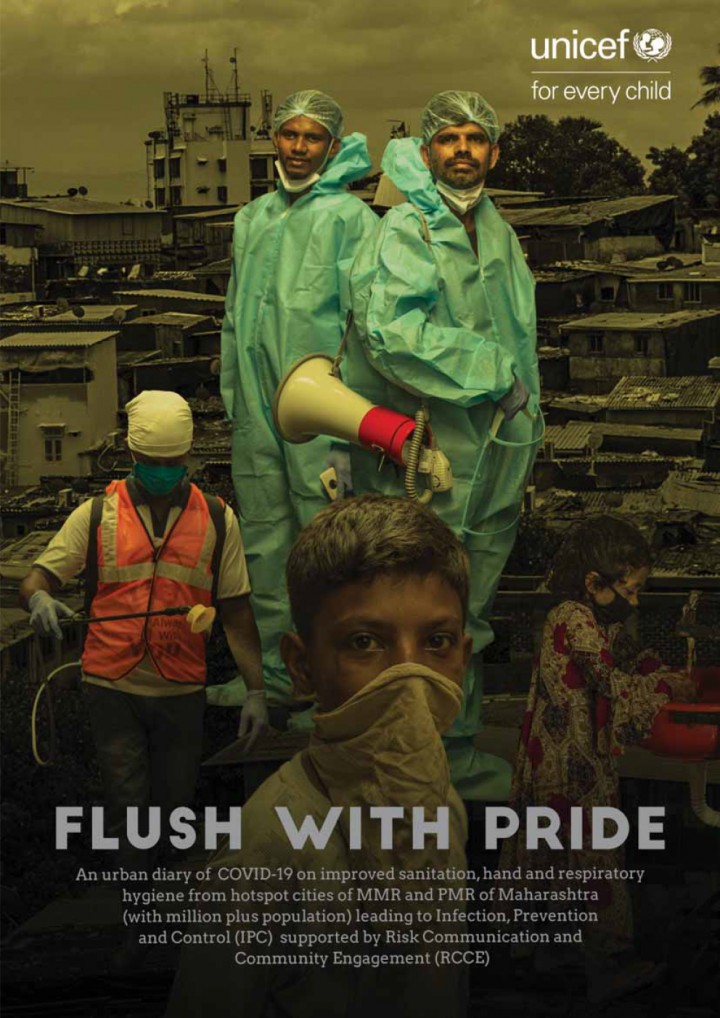
Godke, A., Kabir, Y. (2020) Flush With Pride An urban diary of COVID-19 on improved sanitation, hand and respiratory hygiene
The document covers the impact of WASH intervention in families, communities and institutions with a balance between demand and supply, highlighting both child and gender lens. Innovations like cost effective, simple, scalable pedal operated hand washing stations, augmentation of operation and maintenance of community toilets with identification of community touch points, school readiness for COVID-19 while retrofitting simple taps to elbow operated taps, promoting one […]
Online since: 16.12.2020
Views: 1065
Downloads: 432