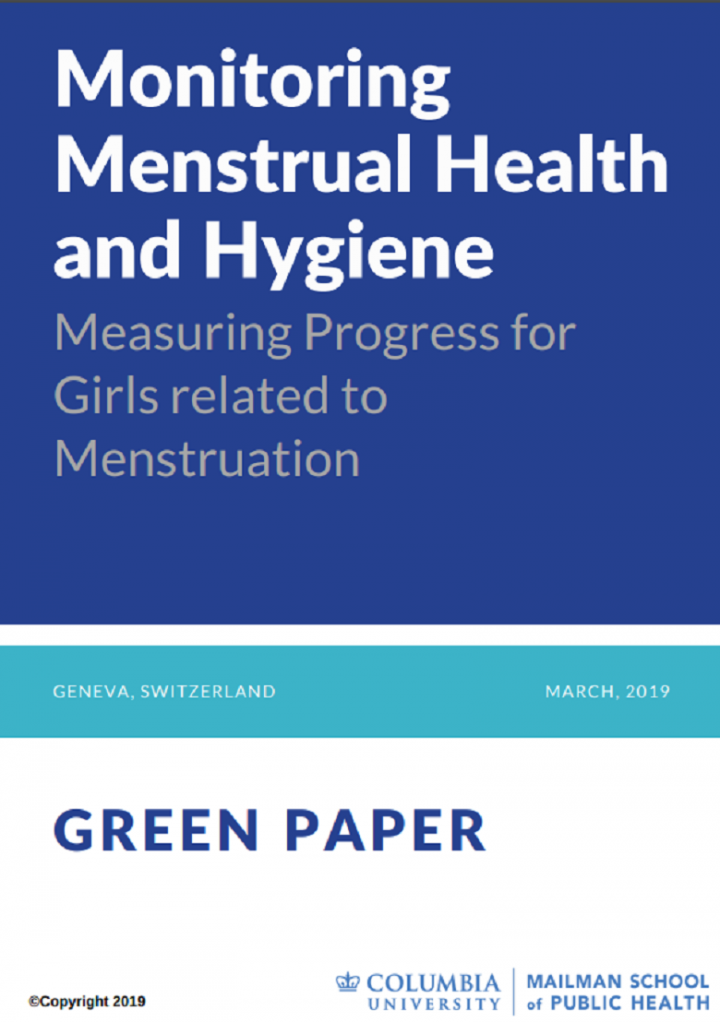
Sommer, M., Zulaika, G., Schmitt, M., Gruer, C. (2019) Monitoring Menstrual Health and Hygiene: Measuring Progress for Girls on Menstruation
There is growing global momentum around addressing menstruation as an important health, education and gender equality issue. However, a critical barrier to making progress on addressing menstruation and the range of girls’ needs around this issue, is the lack of adequate validated measures related to measuring menstruation within global health and development. Measures are most needed that are aligned to five priority areas (sexual and […]
Online since: 26.05.2020
Views: 2288
Downloads: 380
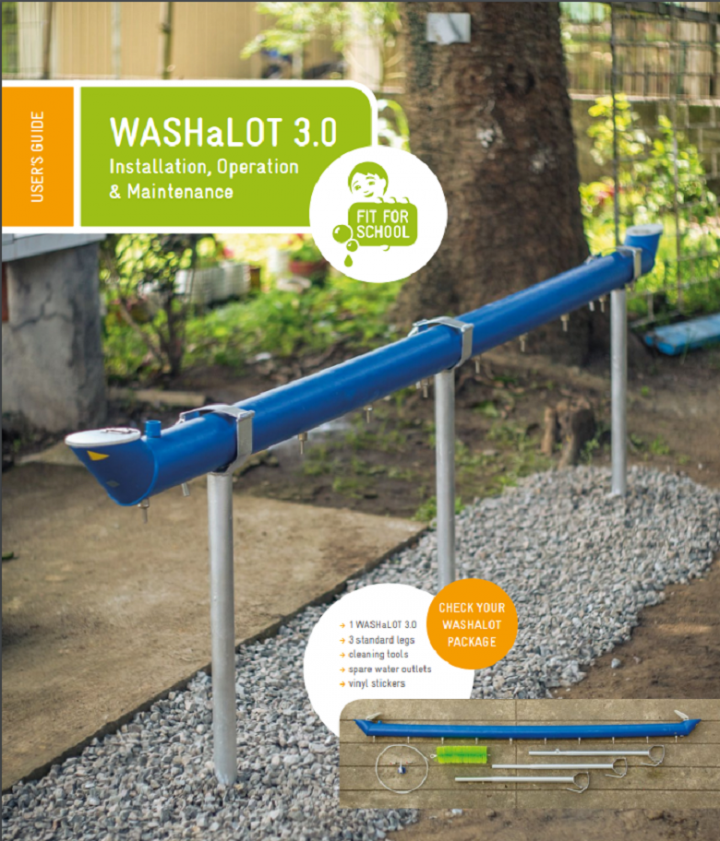
Madrid, F., Monse, B., Freundel, M., Schlenk, J. (2019) WASHaLOT 3.0 Installation, Operation & Maintenance
This guide will provide the school community the basic and necessary information on the installation process, Operation and Maintenance, and common troubleshooting of the WASHaLOT 3.0.
Online since: 26.05.2020
Views: 1810
Downloads: 326
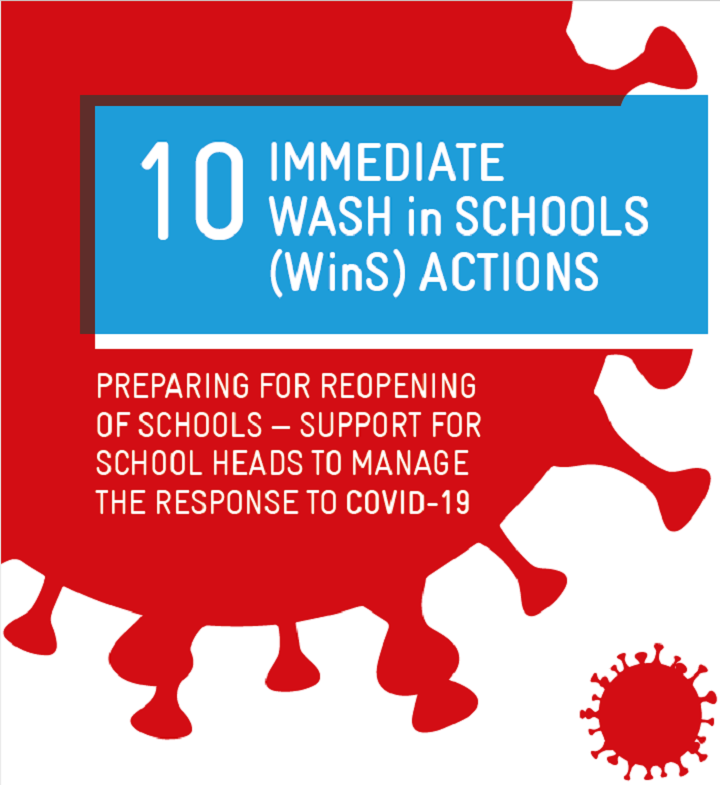
WASH in Schools Network (2020) 10 Immediate WASH in Schools (WinS) Actions - For School Heads to Manage the Response to COVID-19 (Various languages available)
10 immediate WASH in schools (WinS) actions; 1. Handwashing 2. Water availability 3. Supplies 4. Cleaning and disinfecting 5. Waste management 6. Physical distancing 7. Establish a monitoring team 8. Operation or training 9. Checklists 10. Hygiene culture
Online since: 14.05.2020
Views: 12676
Downloads: 4787
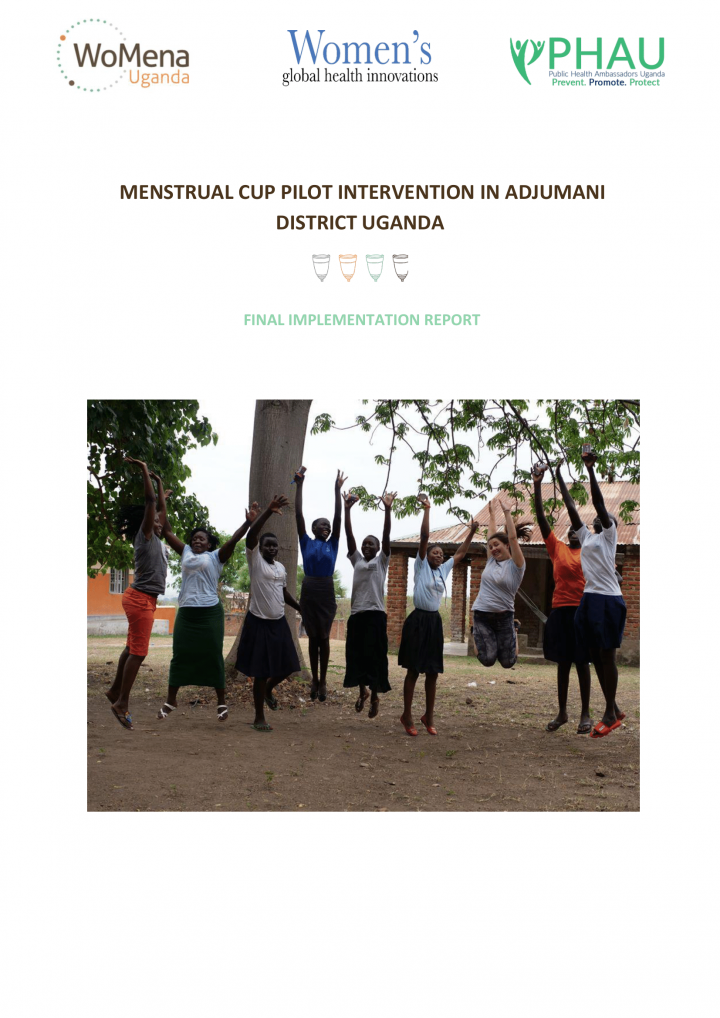
WoMena (2020) Menstrual Cup Intervention in Adjumani District Uganda - Final Implementation Report
In Uganda approximately 86% of South Sudanese refugee arrivals are women and children (UNHCR, 2017a). Globally, girls and women often lack the ability to manage their menstruation with dignity due to lack of adequate and private facilities, safe, acceptable and accessible menstrual health products and knowledge, which can be further exacerbated during conflict and displacement. Menstrual health management is, however, often an overlooked component in […]
Online since: 09.05.2020
Views: 3134
Downloads: 1124
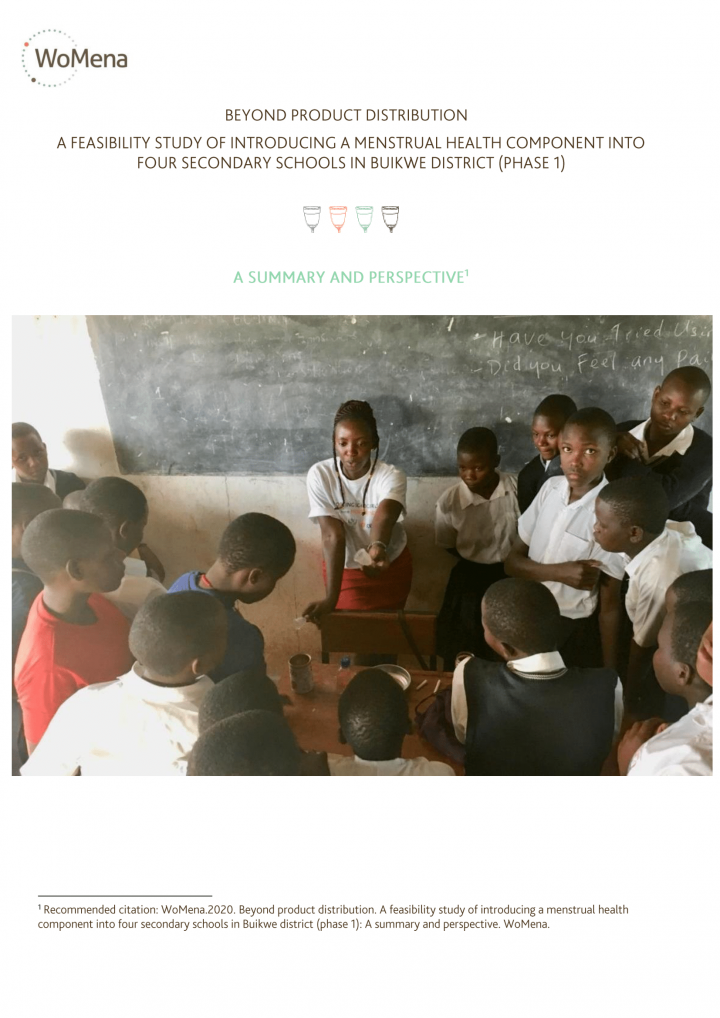
WoMena & WoMena Uganda (2020) Beyond Distribution: A Feasibility Study of Introducing a Menstrual Health Component into Four Secondary Schools in Buikwe Districkt, Uganda (Phase 1)
EXECUTIVE SUMMARY In Sub-Saharan Africa (SSA), menstrual health is often considered a taboo and many girls and women lack access to safe and appropriate menstrual health management (MHM) products. This can have far-reaching implications for women and girls’ physical, social and mental wellbeing, as well as for their sexual reproductive health and rights. These MHM issues are often further exacerbated by insufficient access to safe and […]
Online since: 26.04.2020
Views: 2513
Downloads: 1424
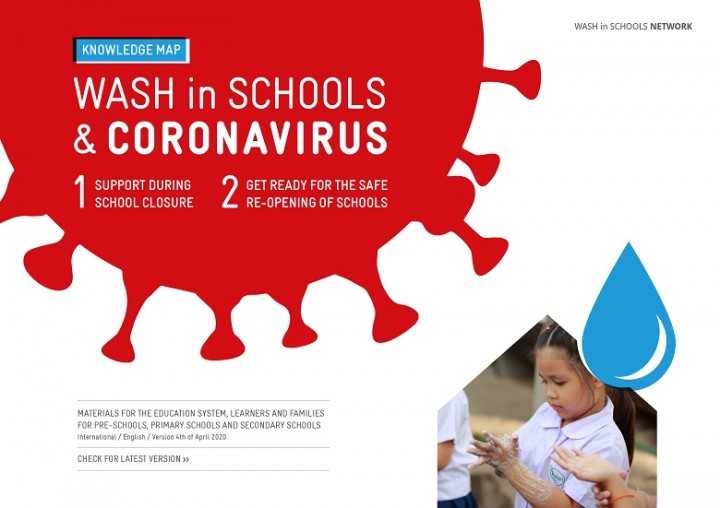
WASH in Schools Network (2020) Knowledge Map: WASH in Schools and Coronavirus
The WASH in Schools Network (UNICEF, GIZ, Save the Children, WATERAID; Emory, LSHTM, among others) has compiled this knowledge map with links to relevant materials about COVID-19 for learners, their families and the education system. The map is intended for the time when schools are closed and in preparation for re-opening of schools. We want to help you navigate through the jungle of information about […]
Online since: 03.04.2020
Views: 17968
Downloads: 29957
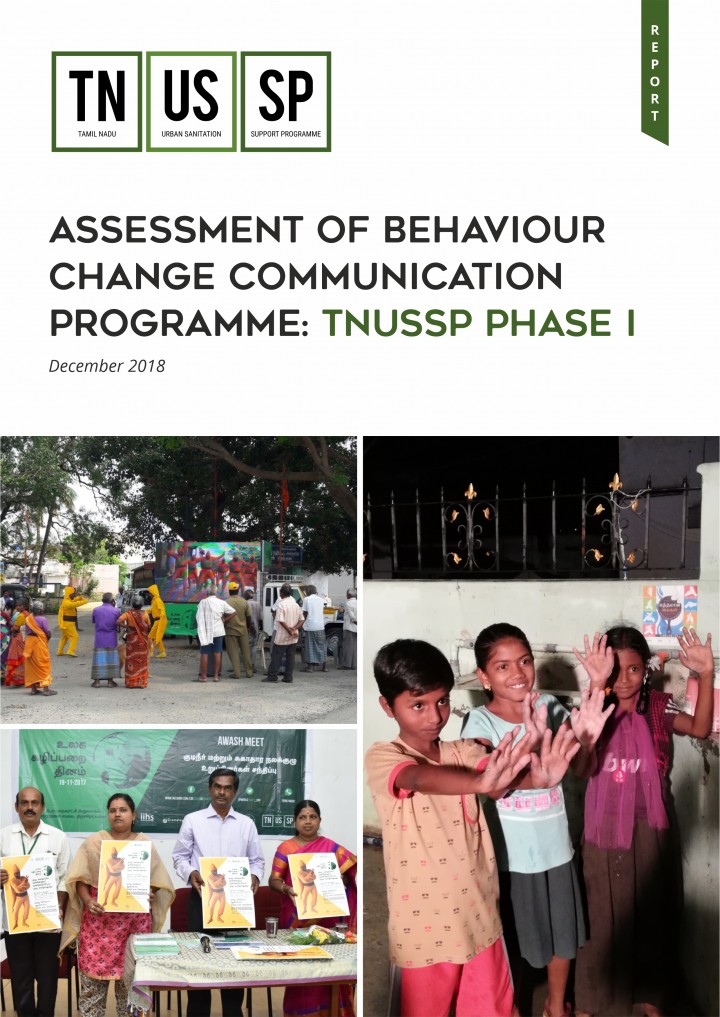
TNUSSP (2018) Assessment of Behaviour Change and Communication Programmes: TNUSSP Phase I
As part of the BCC component during Phase 1 of TNUSSP, a range of activities were undertaken in Tiruchirappalli and PNP – NNP. This included activities with general public, school children, sanitary workers and with Government officers of the ULBs. An assessment was carried out to understand the effectiveness of these activities, the findings of which are presented in this report.
Online since: 27.02.2020
Views: 1826
Downloads: 3063
GIZ (2020) Fit for School Concept: Menstrual Hygiene Management (in English, Khmer and Nepali)
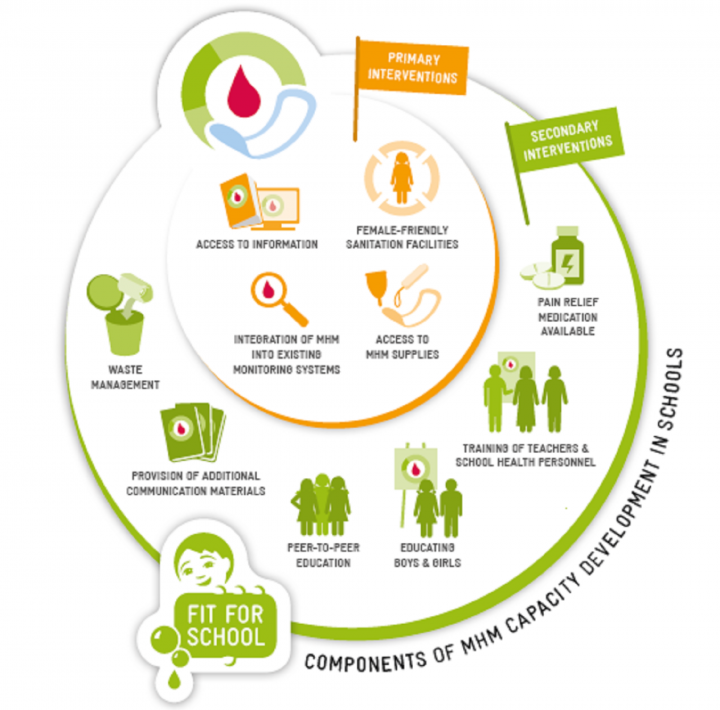
The GIZ Regional Fit for School Programme in cooperation with the Sector Programme “Sustainable Sanitation” has developed a MHM in Schools concept, which is modular, culturally adaptable and consists of a primary and secondary intervention package. This publication is providing a comprehensive concept on primary and secondary interventions that are needed for Menstrual Hygiene Management in schools. Components of MHM Capacity Development in Schools are […]
Online since: 07.02.2020
Views: 7733
Downloads: 1422
WoMena (2020) WoMena FAQS: Does menstruation make girls miss school?
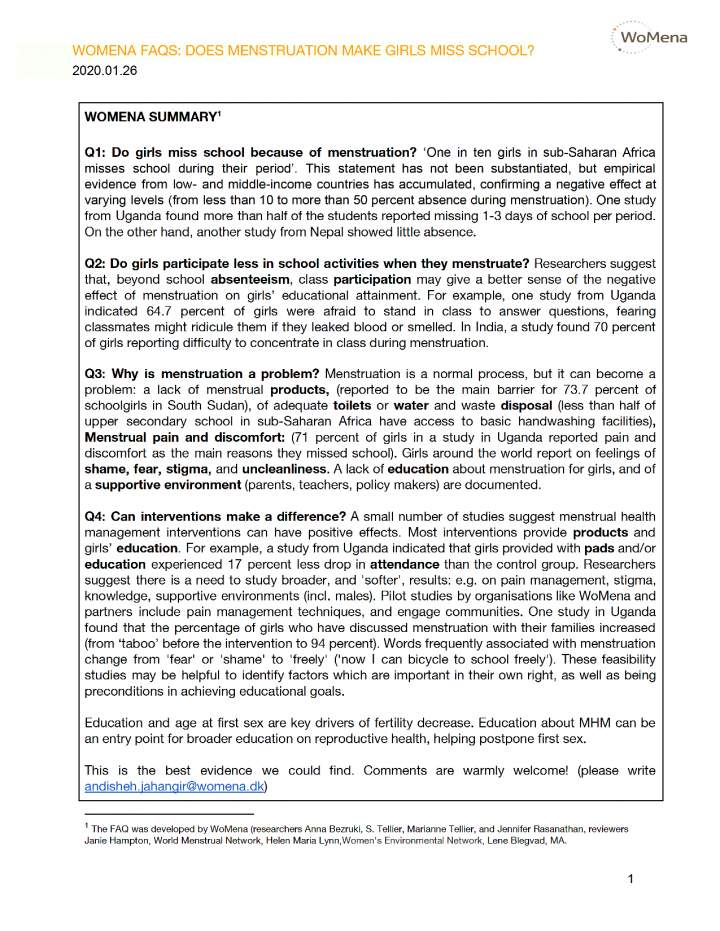
Q1: Do girls miss school because of menstruation? ‘One in ten girls in sub-Saharan Africa misses school during their period’. This truism has not been substantiated, but empirical evidence from low- and middle-income countries has accumulated, confirming a negative effect at varying levels (from less than 10 to more than 50 percent absence during menstruation). One study from Uganda found more than half of the […]
Online since: 13.01.2020
Views: 1857
Downloads: 321
Okello E., Kapiga, S., Grosskurth, H., Makata, K., Mcharo, O., Kinungh'i, S., Dreibelbis, R. (2019) Factors perceived to facilitate or hinder handwashing among primary students: a qualitative assessment of the Mikono Safi intervention schools in NW Tanzania
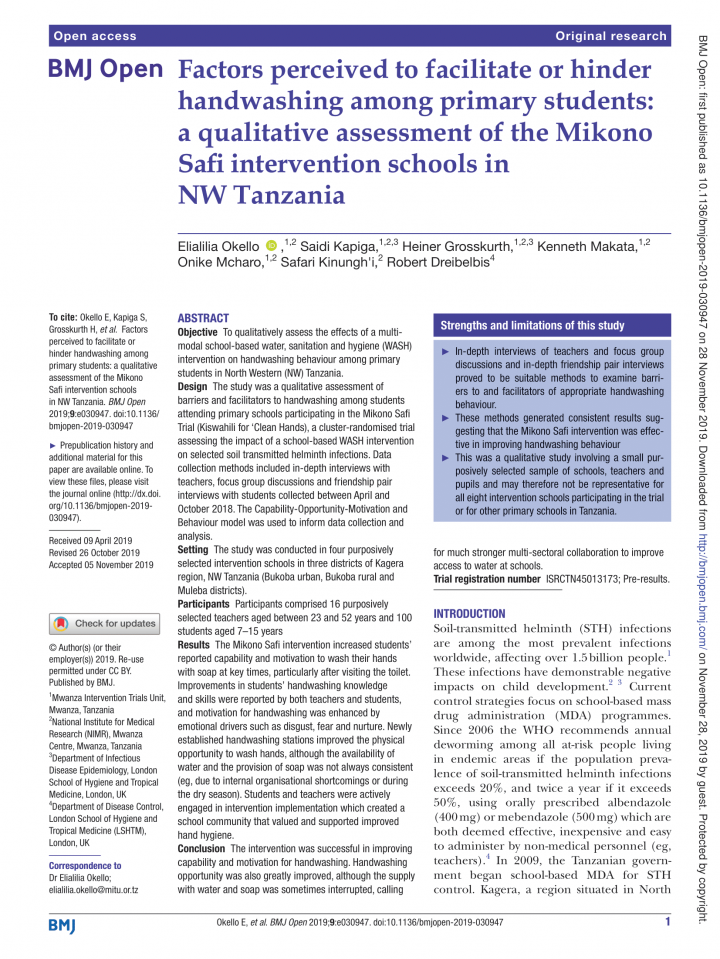
The study used qualitative methods to assess the effects of a multi-modal school-based water, sanitation and hygiene (WASH) intervention on handwashing behaviour among primary students in North Western (NW) Tanzania. Barriers and facilitators to handwashing were explored in the students who participated in the Mikono Safi Trial (Kiswahili for ‘Clean Hands). The intervention increased students' reported capability and motivation to wash their hands with soap […]
Online since: 05.12.2019
Views: 2176
Downloads: 729
Ethiopian Federal Ministry of Health, WHO, NALA Foundation, Sightsavers (2019) Elimination of Neglected Tropical Diseases (NTDs) in Ethiopia - WOREDA level coordination toolkit for the WASH and NTD sectors
Neglected Tropical Diseases (NTDs) affect more than ten percent of the world’s population, primarily among the poorest populations. In Ethiopia, more than 75 million people are at risk of infection of at least one neglected tropical disease. NTDs cause suffering, blindness, disability, and delays in physical and cognitive growth which impact a person’s ability to go to school and work, thus perpetuating the cycle of […]
Online since: 22.10.2019
Views: 5393
Downloads: 1406
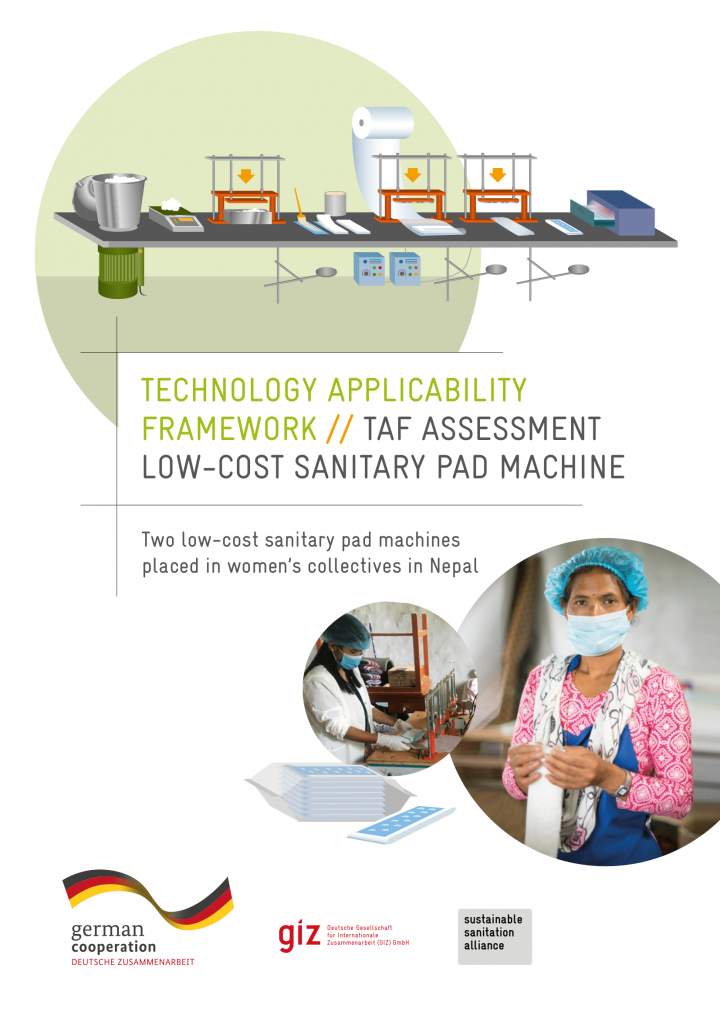
Brama, K., Schlenk, J. (2019) Technology Applicability Framework - TAF Assessment low-cost Sanitary Pad Machines
This Technology Application Framework (TAF) Publication assesses two low-cost sanitary pad machines placed in women’s collectives in Nepal. The German Development Cooperation through GIZ has started to be involved in Menstrual Health after the 2015 earthquake. A programme implemented by Nepal’s Ministry of Health and Population and facilitated by the German Development Cooperation has sought to address Menstrual Health and Hygiene Management particularly in rural, less […]
Online since: 02.10.2019
Views: 4219
Downloads: 483
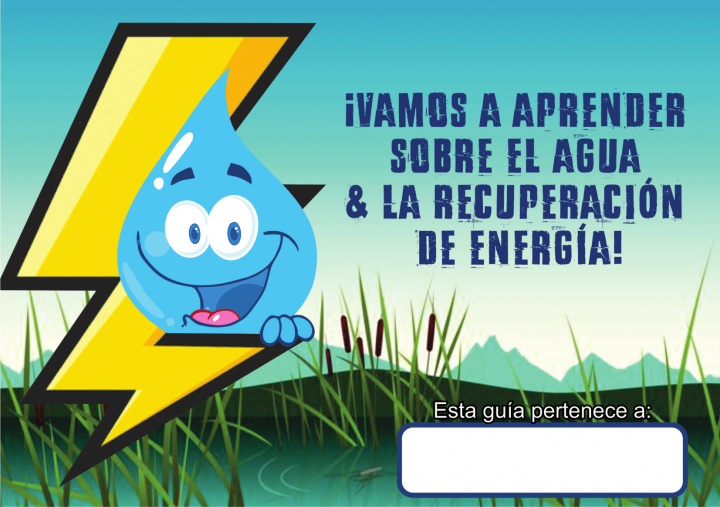
Terumi, L., Hartl, M., Ceron, P., Ramirez, J. E., Kehrein, P. (2019) Educational Outreach about Wastewater treatment and Resource Recovery in Peru (in English and Spanish)
Educational projects on new technologies for wastewater treatment and resource recovery in developing countries are not so common. For this reason, a group of early-stage researchers developed an educational outreach tool (ODT) including a selection of these new topics for primary school students in rural areas of Peru. Tangible materials like booklets, microbial fuel cell (MFC) kits, bottle filtration exercises and a demonstration of real […]
Online since: 28.09.2019
Views: 2211
Downloads: 522
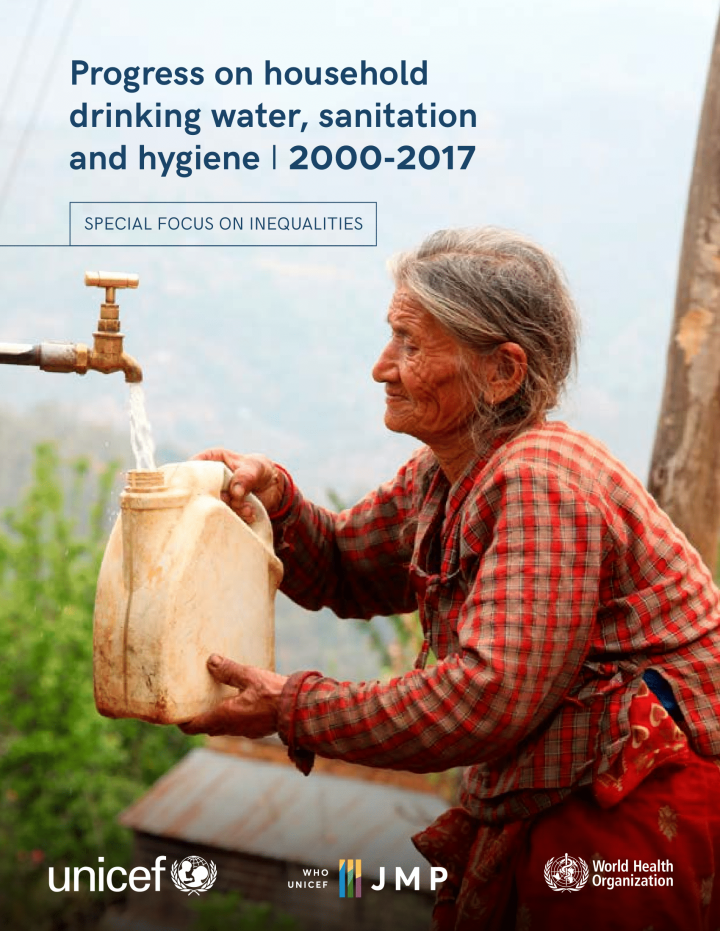
UNICEF and WHO (2019) Progress on household drinking water, sanitation and hygiene 2000-2017. Special focus on inequalities.
The World Health Organization and United Nations Children’s Fund (WHO/UNICEF) Joint Monitoring Programme for Water Supply, Sanitation and Hygiene (JMP) produces internationally comparable estimates of progress on drinking water, sanitation and hygiene (WASH) and is responsible for global monitoring of the Sustainable Development Goal (SDG) targets related to WASH. The JMP has recently published global baseline reports on WASH in schools (2018) and WASH in […]
Online since: 29.08.2019
Views: 3736
Downloads: 342
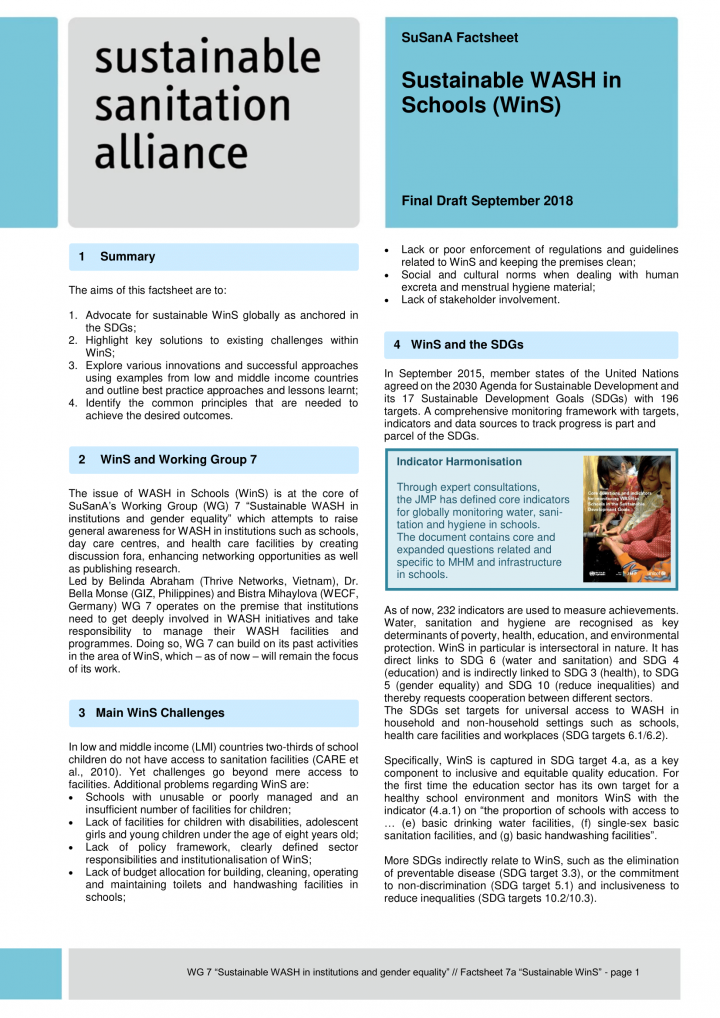
Monse, B., Abraham, B., Schlenk, J. (2018) Sustainable WASH in Schools (WinS) Factsheet of Working Group 7a
The aims of this factsheet are to: 1. Advocate for sustainable WinS globally as anchored in the SDGs; 2. Highlight key solutions to existing challenges within WinS; 3. Explore various innovations and successful approaches using examples from low and middle income countries and outline best practice approaches and lessons learnt; 4. Identify the common principles that are needed to achieve the desired outcomes. The following programming principles or ways […]
Online since: 23.08.2019
Views: 4699
Downloads: 8520
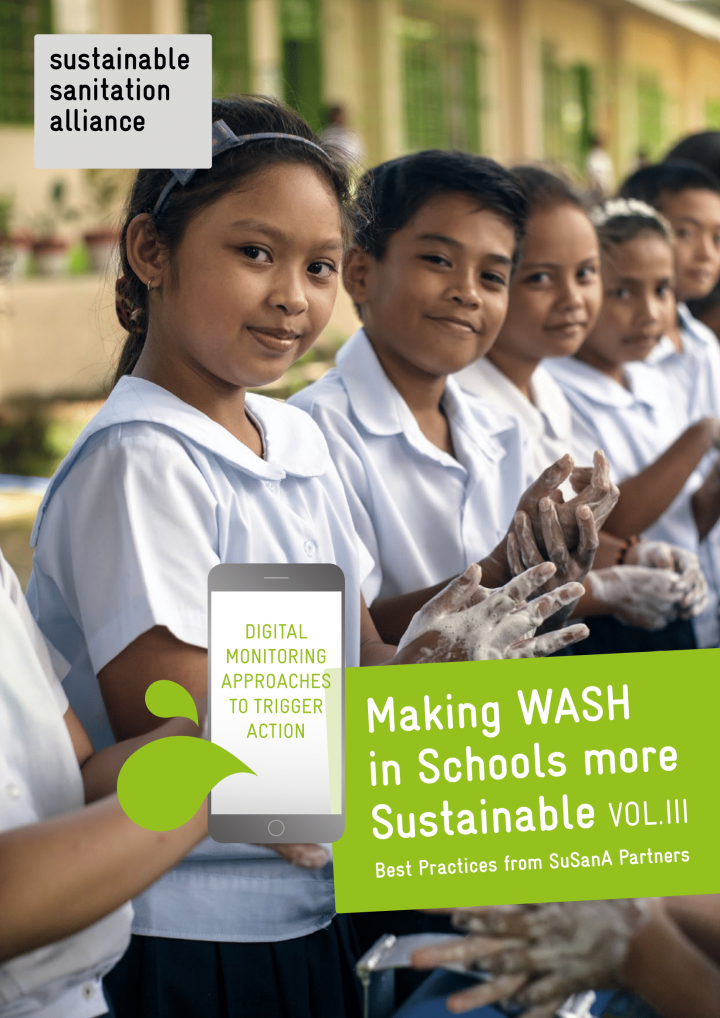
Schlenk, J., Pizzacalla, K., Korb, C., Monse, B. (2019) Digital Monitoring Approaches to Trigger Action Making WASH in Schools more Sustainable (Volume III)
This publication is the follow up of the first and second volume of WASH in Schools best practices by SuSanA partners. This third volume focuses on the topic of monitoring and evaluation (M&E). The aim is to show how digital approaches for M&E can be used to trigger action for improvements in WASH in Schools. It introduces the WHO/UNICEF JMP core and expanded questions and indicators […]
Online since: 23.08.2019
Views: 6836
Downloads: 630
WoMena (2018) Menstrual Cup Research Dissemination Meeting - Menstrual Cups: Innovative Menstrual Health Management
The purpose of this meeting was to share research updates about Menstrual Health Management (MHM) and experiences about the implementation of the menstrual cup (MC) as an innovative MHM solution in East Africa. The objectives were: 1. To promote the sharing of evidence in Uganda to improve MHM across East Africa. 2. To create a platform for dialogue amongst stakeholders working in MHM in Uganda. 3. To identify the main implementation […]
Online since: 15.08.2019
Views: 2487
Downloads: 244
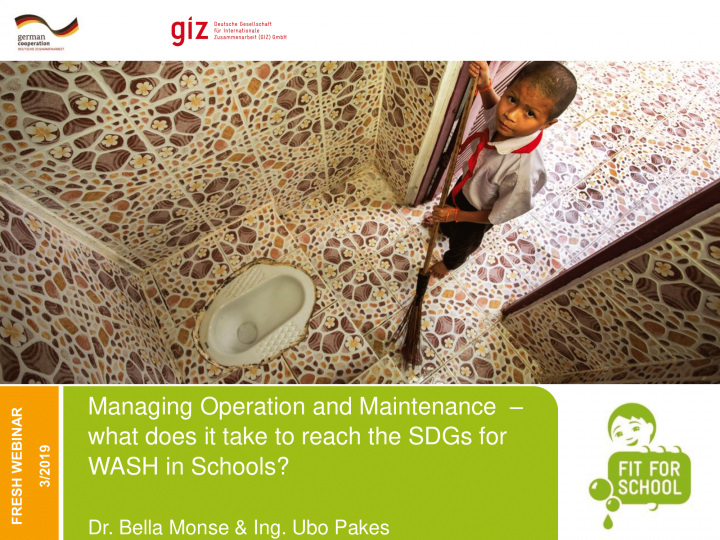
Monse, B., Pakes, U., Schlenk, J. (2019) Managing Operation and Maintenance – what does it take to reach the SDGs for WASH in Schools?
This FRESH webinar will Introduce a costing tool to calculate the budget need for schools to provide the basic service level for drinking water, usable sanitation, and handwashing with soap. The tool provides school heads with an easy to manage app, which calculates the annual cost per student depending on local condition and local prices. How much do they need to keep aside for consumables, […]
Online since: 09.08.2019
Views: 1470
Downloads: 366
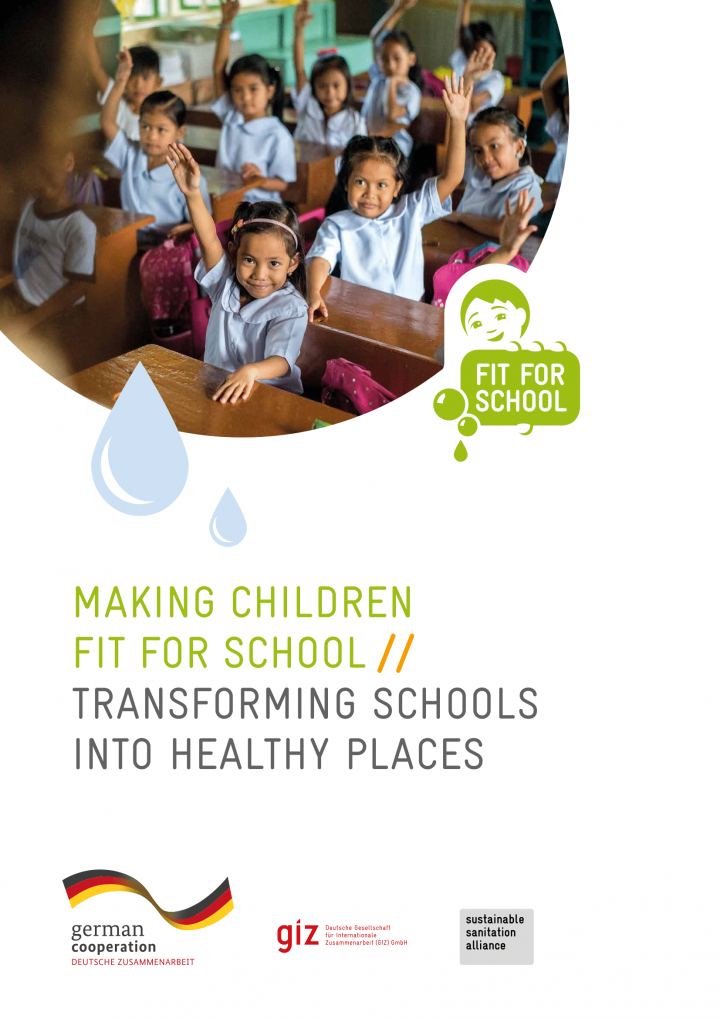
GIZ (2019) Making Children Fit For School Transforming Schools Into Healthy Places
The F4S approach uses the school setting to support the institutionalization of health-promoting behaviour of children. This includes washing hands with soap, brushing teeth with fluoride toothpaste, daily cleaning of sanitary facilities, etc. The measures in schools include a clear set of rules for routine group activities, simple infrastructural measures such as group washing facilities and accompanyingmeasures such as public cleaning plans. The Regional F4S […]
Online since: 12.06.2019
Views: 3914
Downloads: 856
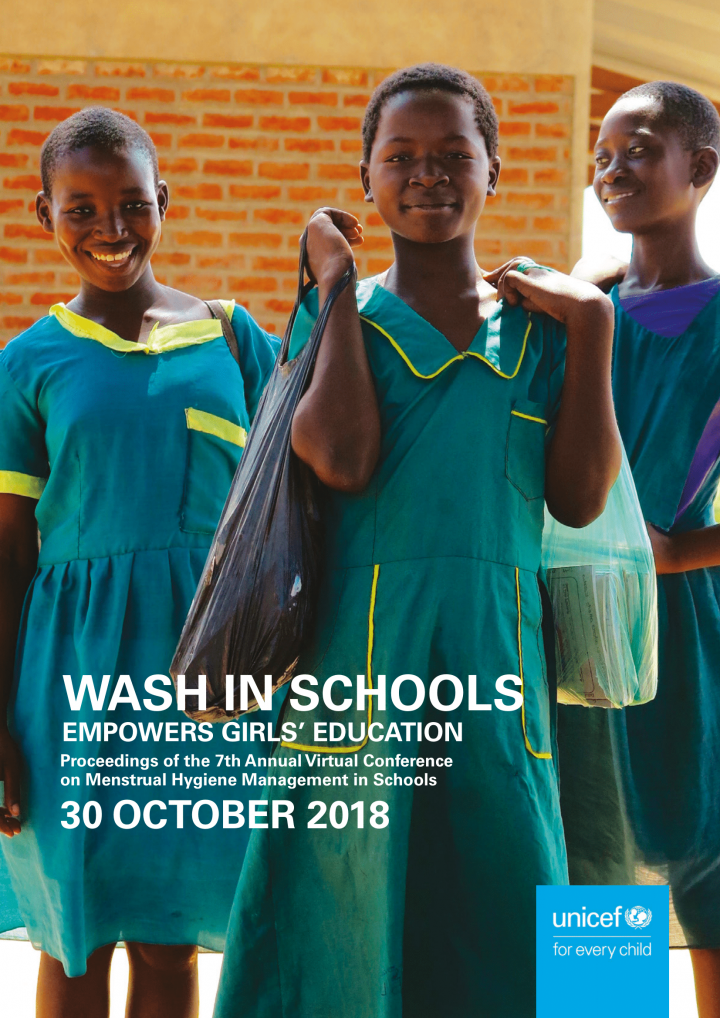
UNICEF (2018) WASH in Schools Empowers Girls´ Education Proceedings of the 7th Annual Virtual Conference on Menstrual Hygiene Management in Schools
Action to improve menstrual hygiene management (MHM) for schoolgirls in low- and middleincome countries continues to gather momentum around the world. The annual virtual conference on MHM in schools shared recent evidence and programmes that illustrate the continuing progress in the field. The conference provides a vital global platform for practitioners and policy makers to share ideas, discuss approaches to common problems, and to assess […]
Online since: 28.05.2019
Views: 4700
Downloads: 843