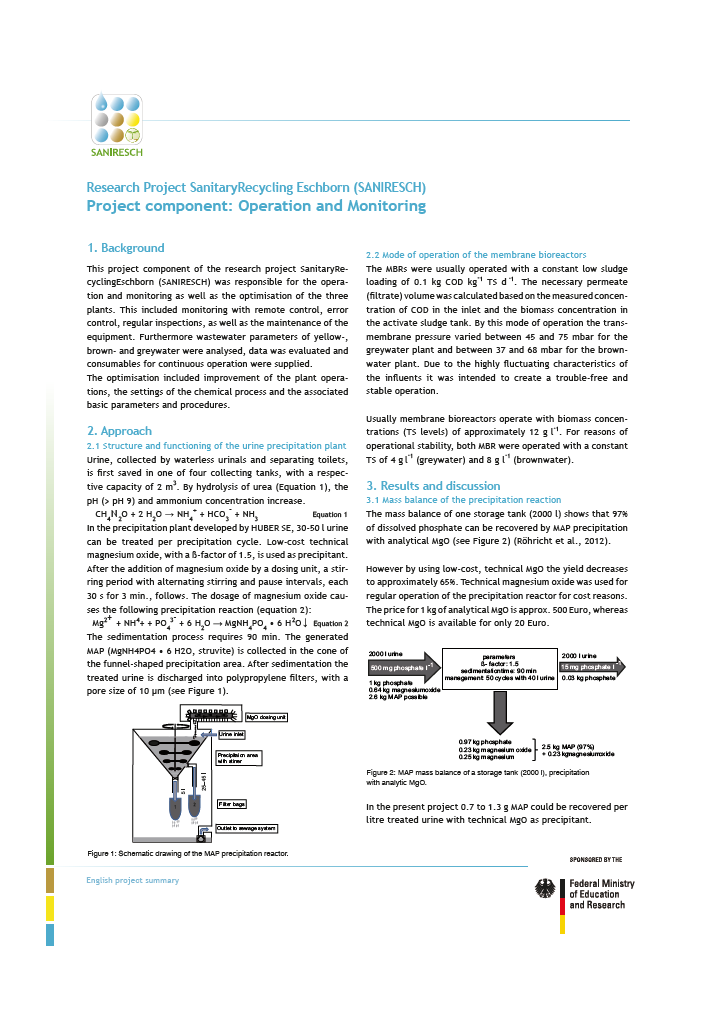
Various Authors (2010) Operation and monitoring within SANIRESCH Project
The measures regarding operation consisted of the steering, control and monitoring of the treatment plants by remote monitoring; the elimination of disturbances and breakdowns; regular inspection and maintenance; refilling of consumables. Furthermore, the relevant basic parameters were analysed in urine, brownwater and greywater to gain further information on the characteristics of the wastewater streams. Until now, only little information was available on the composition of […]
Online since: 04.04.2018
Views: 1796
Downloads: 876
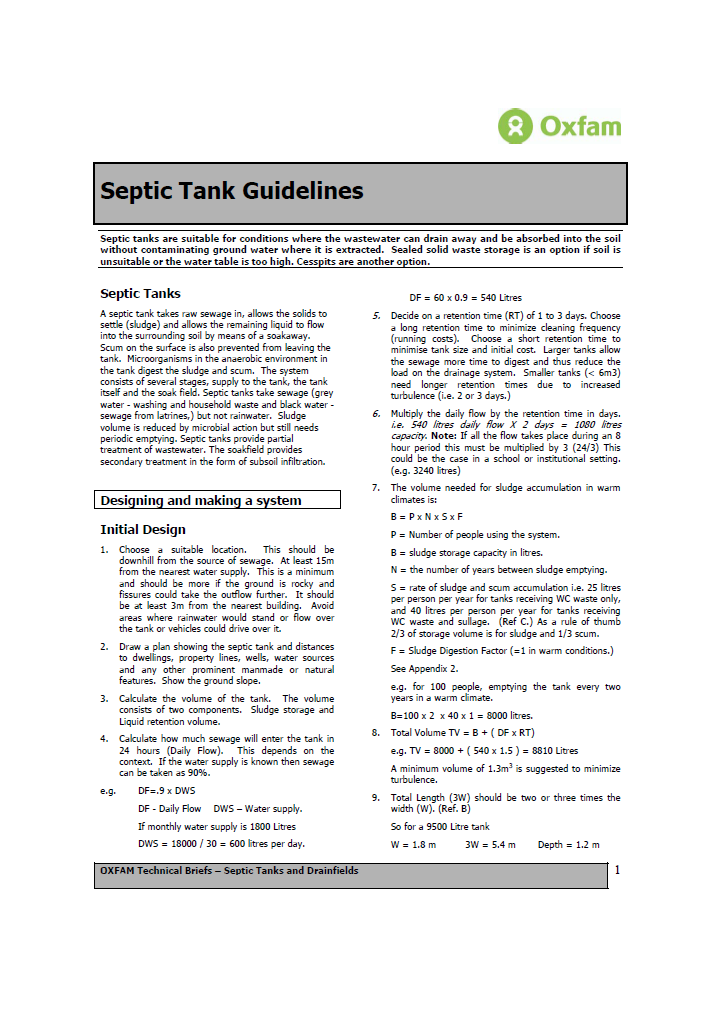
Oxfam (2008) Septic Tank Guidelines
A septic tank takes raw sewage in, allows the solids to settle (sludge) and allows the remaining liquid to flow into the surrounding soil by means of a soakaway. Scum on the surface is also prevented from leaving the tank. Microorganisms in the anaerobic environment in the tank digest the sludge and scum. The system consists of several stages, supply to the tank, the tank […]
Online since: 27.02.2018
Views: 2286
Downloads: 433
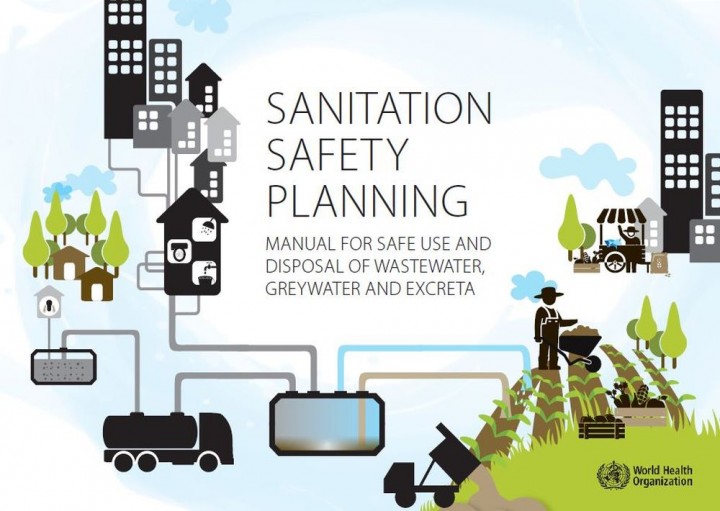
WHO (2016) Sanitation safety planning: manual for safe use and disposal of wastewater, greywater and excreta
The underlying purpose of sanitation interventions is to protect public health. Management and investments in improvements on sanitation systems should be made based on adequate understanding of the actual health risks posed by the systems and how these risks might best be controlled. Sanitation Safety Planning (SSP) is a risk based management tool for sanitation systems. This manual focuses on safe use of human waste. It […]
Online since: 12.02.2016
Views: 9092
Downloads: 719
ACF & USTB (2015) A Study on Sustainable Sanitation Technologies for Vulnerable Peri-Urban Communities in Ulaanbaatar, Mongolia PhD Report
In many of the world’s undeveloped or partially-developed countries, and even in some developed ones, frequent outbreaks of various water, sanitation and hygiene (WASH)- and greywater-borne diseases are still prevalent due to lack/absence/failure of WASH system. As a result, poor sanitation accounts for the death of a child every 20 seconds which leads to 1.5 million preventable death each year. Therefore development of alternative sanitation […]
Online since: 16.12.2015
Views: 3816
Downloads: 288
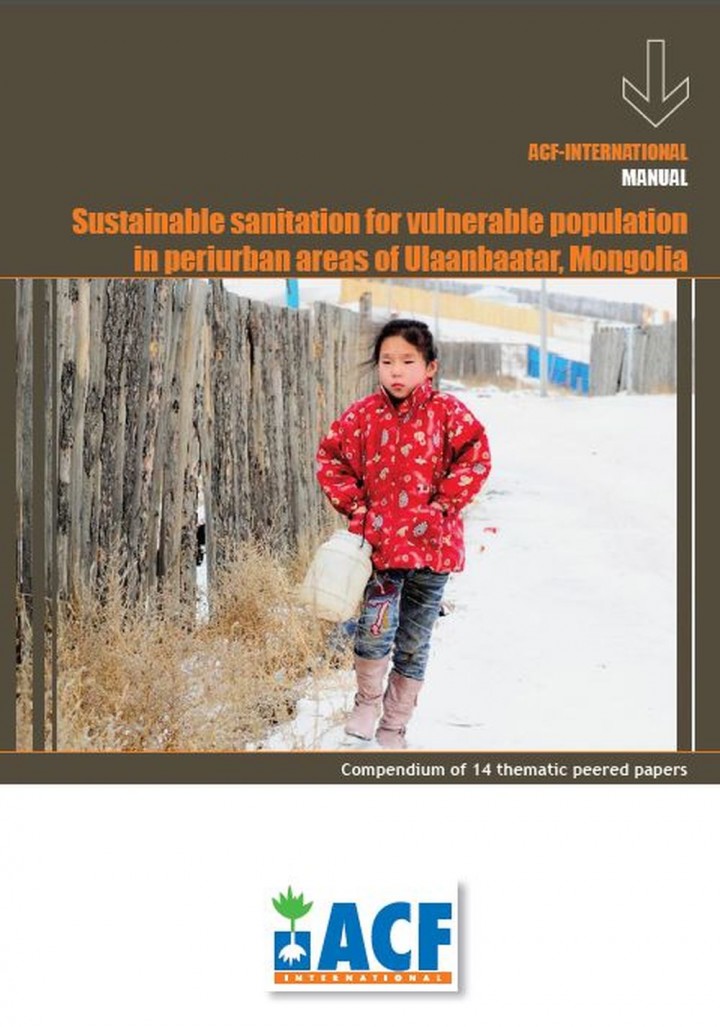
ACF (2015) Sustainable sanitation for vulnerable population in periurban areas of Ulaanbaatar, Mongolia Compendium of 14 thematic peered papers
Action contre la Faim (ACF) has been working in Mongolia since 2001; both in Ulaanbaatar Ger areas (urban formal and informal slums), and the western Bayan Ulgi (province), undertaking multiyear food security, WASH and nutrition programmes. Both water and sanitation sub sectors are a growing concern: the current method for excreta disposal is using basic, often poorly constructed unsealed pit latrines. The current system is causing […]
Online since: 16.12.2015
Views: 4203
Downloads: 290
Mahmud, I., and Nkosinathi M. (2015) Water, Sanitation and Nutrition in Bangladesh: Can building toilets affect children´s growth? A World Bank Study
This report provides a systematic review of the evidence to date, both published and grey literature, on the relationship between water and sanitation and nutrition. We also examine the potential impact of improved water, sanitation and hygiene (WASH) on undernutrition. This is the first report that undertakes a thorough review and discussion of WASH and nutrition in Bangladesh. The report is meant to serve two […]
Online since: 19.11.2015
Views: 3203
Downloads: 5333
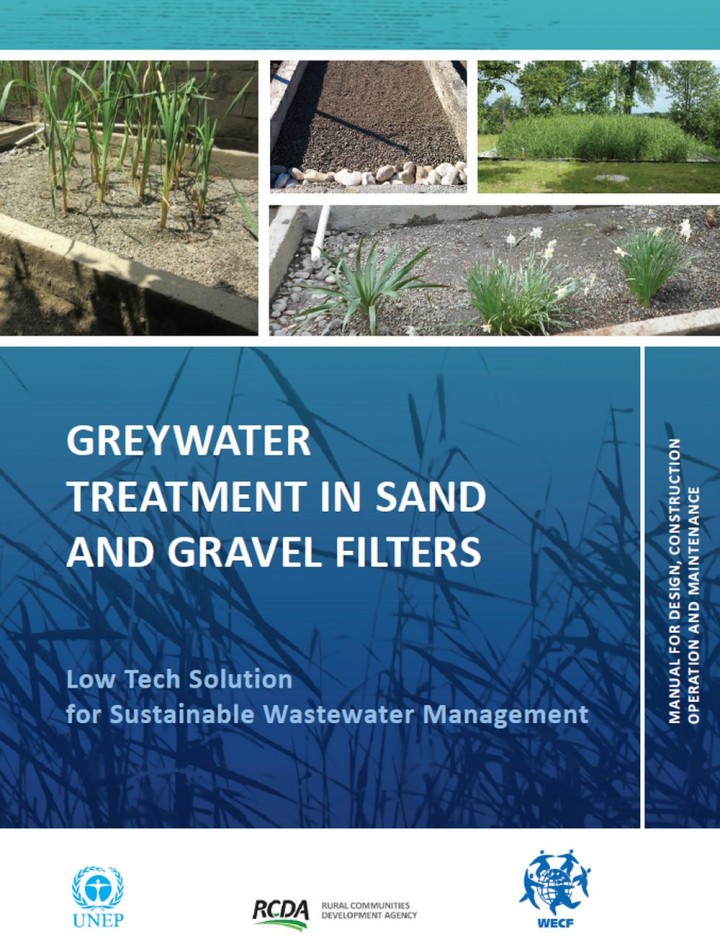
Huhn, L. (2015) Greywater Tratment in Sand and Gravel Filters Low Tech Solution for Sustainable Wastewater Management - Manual for Design, Construction, Operation and Maintenance
This manual provides the background of greywater characteristics and gives guidance how to construct and operate a low-tech sand filter for onsite greywater treatment. It describes all aspects to be considered in the process of planning, construction and maintenance of greywater filters on the household level in rural areas. This manual is made for practitioners, technicians and interested households who want to design, construct and […]
Online since: 19.10.2015
Views: 6909
Downloads: 885
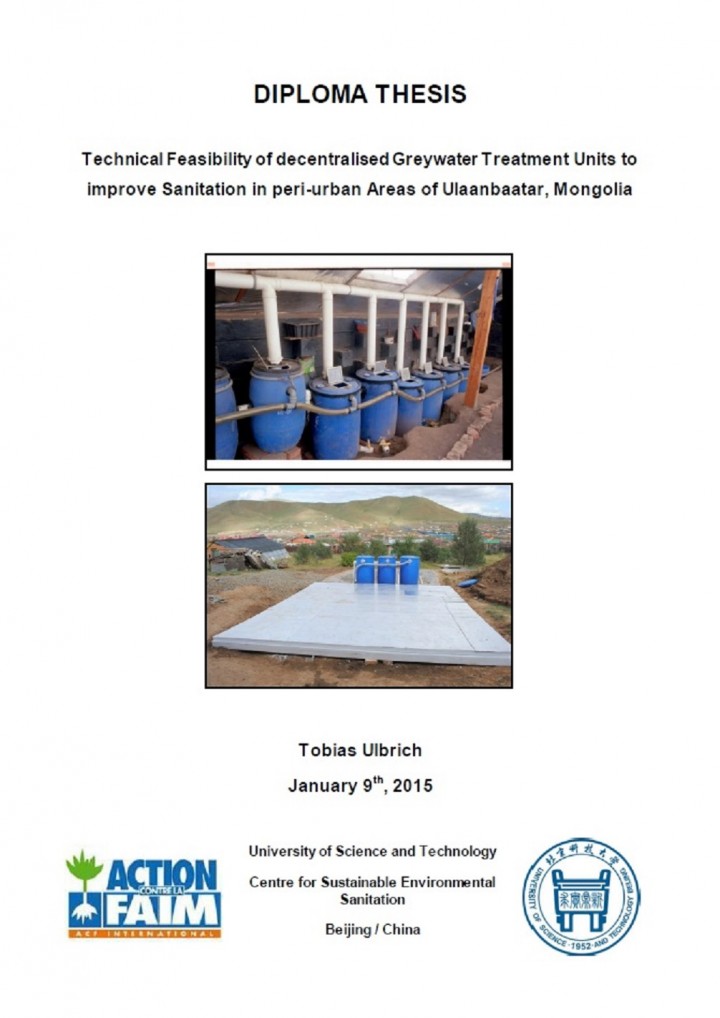
Ulbrich, T. (2015) Technical Feasibility of decentralised Greywater Treatment Units to improve Sanitation in peri-urban Areas of Ulaanbaatar, Mongolia Diploma Thesis
Online since: 09.07.2015
Views: 5296
Downloads: 444
Various (2016) Key documents on resource recovery Key documents grouped by SuSanA Discussion Forum category theme
In this library entry we have grouped together up to five documents that we think are important "first reading" materials for anyone wishing to obtain a quick overview of this topic. For more details, please see the external links to the discussion forum below. The documents listed in this library entry in reverse chronological order already exist as individual library entries but have been grouped together […]
Online since: 10.12.2014
Views: 6696
Downloads: 1411
Rosemarin, A., McConville, J., Flores, A., Qiang, Z. (2012) The Challenges of Urban Ecological Sanitation: Lessons from the Erdos Eco-Town Project, China
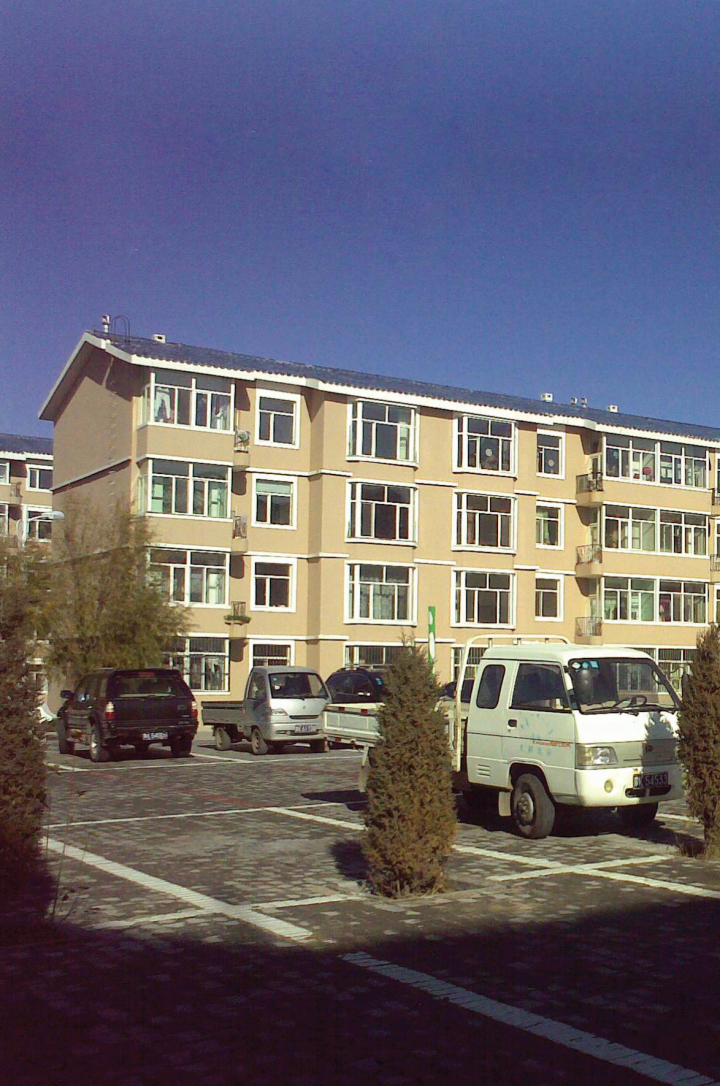
The book highlights the experience of implementing the Erdos Eco-Town Project in Inner Mongolia, China, the largest-scale urban ecological sanitation project to date. The need for improved sanitation around the world is becoming a crisis, and the situation is particularly critical in urban and peri-urban areas in developing countries. Here the population is growing rapidly, and where sanitation is provided, the means to treat and dispose […]
Online since: 04.11.2014
Views: 12008
Downloads: 0
Werner, C. et al. (2006) Greywater recycling in Hotel ArabellaSheraton Am Büsing Palais in Offenbach, Germany Data sheets for ecosan projects

Online since: 25.03.2014
Views: 6424
Downloads: 10824
Zimmermann, N., Wafler, M. (2009) Urine and greywater treatment with reuse at Ashram School, Sarole Pathar, Maharashtra, India (draft) Case study of sustainable sanitation projects

Online since: 31.01.2014
Views: 10878
Downloads: 397
Zimmermann, N., Wafler, M. (2009) Urine and greywater treatment with reuse at Ashram School Sarole Pathar, Maharashtra, India (draft) Case study of sustainable sanitation projects

Online since: 17.01.2014
Views: 11750
Downloads: 402
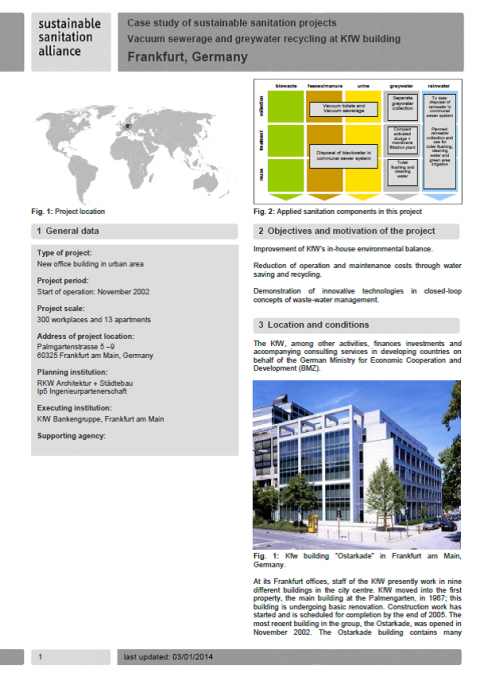
KfW, GTZ (2008) Vacuum sewerage and greywater recycling at KfW building Frankfurt, Germany (draft) Case study of sustainable sanitation projects
Online since: 07.01.2014
Views: 10224
Downloads: 859
Mecca, S. (2013) Prototype microflush-biofil toilet facilities Various documents on results from research grant
This library entry contains background documents for a grant that Stephen Mecca is leading and which is funded by the Bill and Melinda Gates Foundation. Further information and a discussion is available on the SuSanA discussion Forum, see link below. Short description of the project: The GCE R6 grant enabled GSAP to bring together the Microflush valve and the Biofil digester, a macro-organism enhanced aerobic digester and […]
Online since: 07.07.2013
Views: 9905
Downloads: 1401
Still, D., Louton, B. (2012) Piloting and testing the pour flush latrine technology for its applicability in South Africa
This project investigated the potential for modifying the pour flush design, which is used widely in Asia, to meet the needs of the South African context. The development and application of pour flush systems in Asia was studied. Three case studies were conducted to investigate the experience of South Africans with low flush systems in the past and related technologies were surveyed. A prototype was […]

Online since: 28.11.2012
Views: 6989
Downloads: 383
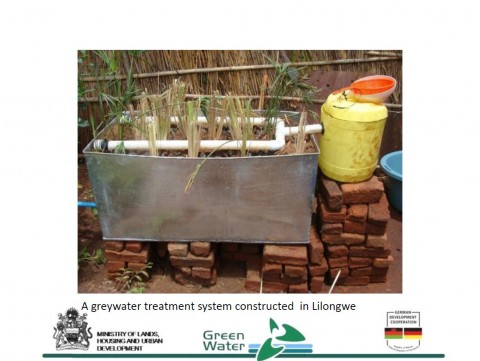
Green Water (2009) Construction of a Domestic Greywater Treatment System
Online since: 05.06.2012
Views: 9240
Downloads: 1204
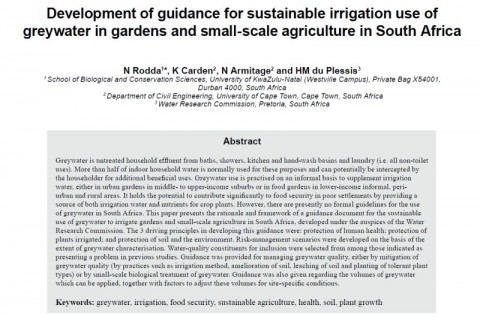
Rodda, N., Carden, K., Armitage, N., du Plessis, H. (2011) Development of guidance for sustainable irrigation use of greywater in gardens and small-scale agriculture in South Africa
Online since: 13.03.2012
Views: 5002
Downloads: 546

Online since: 24.02.2012
Views: 6322
Downloads: 543
Ecosan Club (ed.) (2011) Solutions for mountain regions
There are thousands of public and private mountain refuges located in the alpine regions. The increased number of visitors has raised the concerns on the environmental impact on the sensitive ecosystems. To ensure sustainability, integrated management of the alpine infrastructure is needed. Water supply, energy, wastewater treatment and solid waste management need to be assessed together for planning the infrastructure in refuges. A main criterion for […]

Online since: 20.02.2012
Views: 5712
Downloads: 370