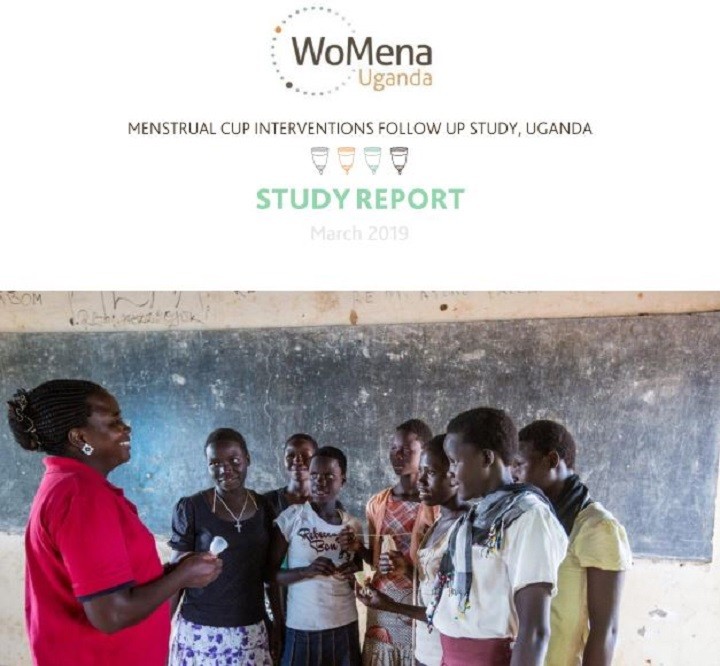
Hytti, L., Simkute, S. and Jahangir, A. (2019) Menstrual Cup Interventions Follow-up Study, Uganda
Globally many women and girls do not have access to appropriate Menstrual Health Management (MHM) methods that are effective, comfortable, convenient, affordable and safe to use and dispose of. Combined with inadequate facilities, social support and knowledge of menstruation as well as prevailing menstrual taboos and stigma, the lack of appropriate MHM methods can impact the physical, social and mental well-being of women and girls. […]
Online since: 11.04.2019
Views: 2233
Downloads: 316
Various Authors (2018) Dry Toilet Conference 2018 presentations and posters
The 6th International Dry Toilet Conference 2018 was held in Tampere, Finland on 22nd – 24th August 2018. The theme of the conference was Dry Toilet Goes Circular with a focus on Cooperation, Co-creation and Experimentation. Please find the oral presentations and poster presentations below via the links to the page of the GlobalDry Toilet association of Finland. ***** Oral Presentations: ***** Alisa Keesey: Container-based […]
Online since: 23.03.2019
Views: 2754
Downloads: 0
Hyttel,M., Thomsen,C.F, Luff, B., Storrusten, H. , Nyakato, V. N. . (2017) Drivers and challenges to use of menstrual cups among schoolgirls in rural Uganda: a qualitative study
Is the menstrual cup a potential solution to address the challenges surrounding menstrual health and management (MHM) for girls and women in low-income contexts? This qualitative study assessed the drivers and challenges for acceptability of the menstrual cup (MC) among schoolgirls in rural Uganda. The study included 36 schoolgirls aged 13–17 recruited from a school-based controlled trial of MCs with 194 participants. After 4 months, […]
Online since: 14.02.2019
Views: 2585
Downloads: 347
Tellier, S., Hyttel, M. (2018) Menstrual Health Management in East and Southern Africa: a Review Paper
The review paper aims to identify possible linkages to SRHR-related issues, and to provide an overview of MHM policies and programs in the ESA region, with a focus on education, school and community-based sexuality education, WASH, sexual and reproductive health, workplace support and humanitarian programming, as well as opening up the discussion regarding marginalized groups of women and girls such as disabled, prisoners and transgender […]
Online since: 16.01.2019
Views: 2213
Downloads: 318
Gade, A., Hytti, L. (2017) Menstrual health in Rhino Camp refugee settlement, West Nile, Uganda Pilot project intervention report
A Menstrual Health pilot project by WoMena and ZOA implemented among South Sudanese refugees and host population in Rhino Camp Refugee Settlement in northern Uganda. The pilot involved 4 primary schools, including students, parents and teachers, over 6 months. 4 different distribution models were applied among the participants; one school got MCs only, one school got reusable pads only, one school could choose one of […]
Online since: 03.01.2019
Views: 4624
Downloads: 489
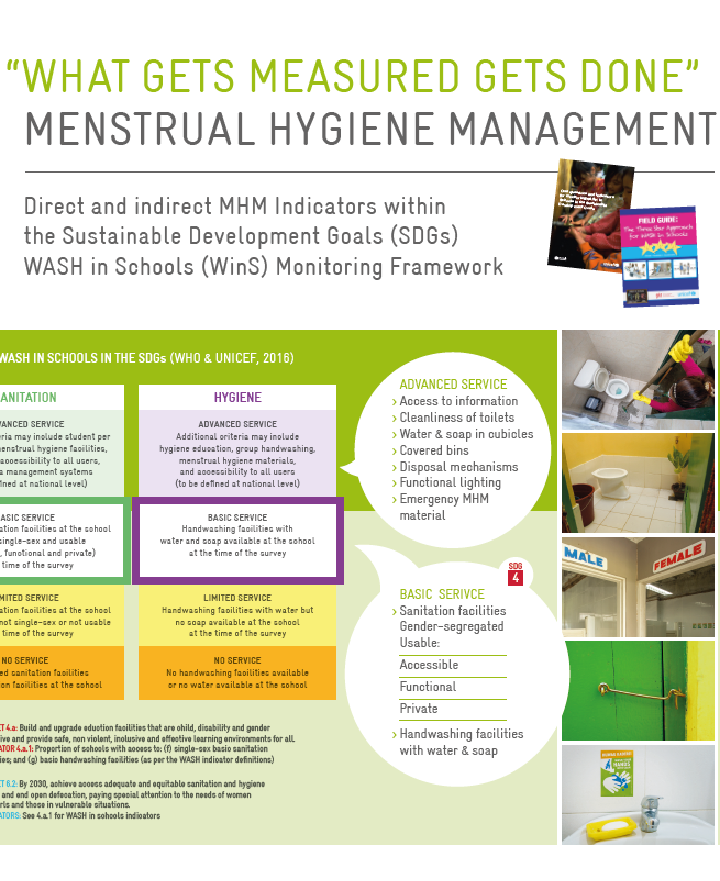
Deutsche Gesellschaft fuer Internationale Zusammenarbeit (GIZ), Eschborn, Germany (2018) Poster: What gets measured gets done Direct and indirect MHM indicators within the SDG WinS Monitoring Framework
There is a growing pool of evidence with regard to the effectiveness of school-based MHM interventions under WASH in Schools (WinS). This is because schools provide the ideal environment to reach all girls and boys and address taboos and misconceptions in a culturally sensitive manner. Ministries of Education (MoE) have the power and the responsibility to transform schools into places with MHM-friendly facilities that allow for […]
Online since: 12.12.2018
Views: 3995
Downloads: 452
Chin, L. (2014) Period of shame The effects of menstrual hygiene management on rural women and girls’ quality of life in Savannakhet, Laos
The purpose of this thesis was to investigate how rural women and girls’ menstrual hygiene management (MHM) affects their life-quality and performance in everyday life. The thesis analysed the opportunities, abilities and motivation they had in performing MHM and how it affected their social and economical opportunities. From this, conclusions were drawn on how MHM affects their life-quality. A concurrent mixed methods approach was implemented where qualitative data was gathered […]
Online since: 17.09.2018
Views: 4605
Downloads: 320
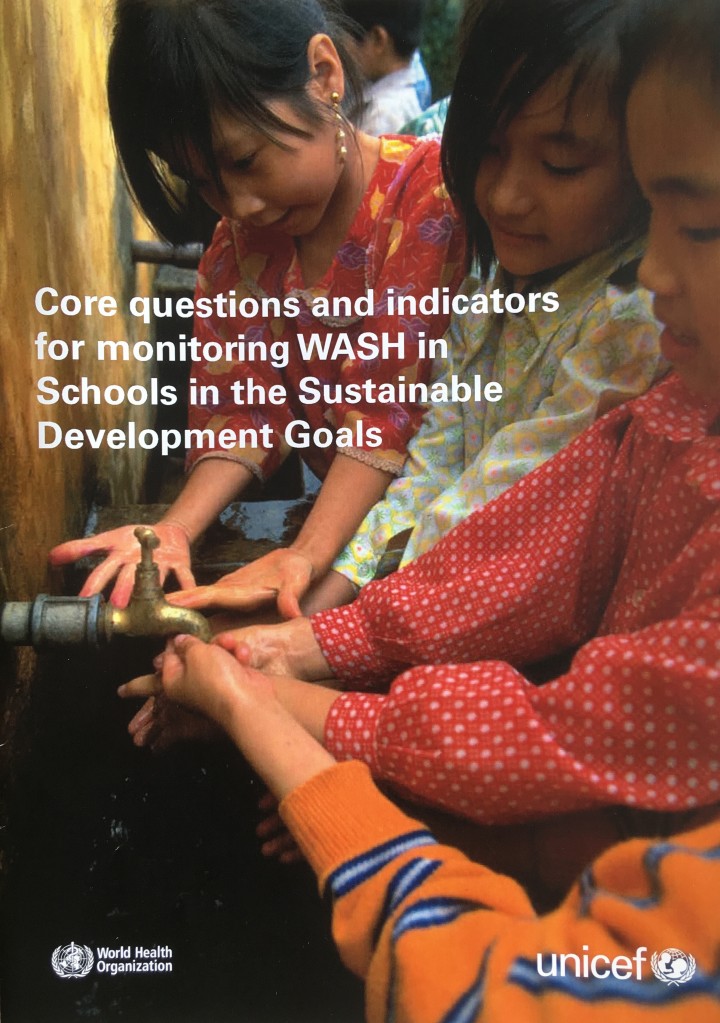
WHO & UNICEF (2016) Core Questions and Indicators for Monitoring WASH in Schools in the SDGs
Through expert consultations, the JMP has developed core questions for monitoring water, sanitation and hygiene at home, schools and health centres. The document contains core and expanded indicators related and specific to MHM and infrastructure in schools.
Online since: 05.07.2018
Views: 3894
Downloads: 599
WSSCC (2017) WASH & Health Practitioners MHM Training Manual v1.0
This manual was developed to sensitise WASH and health practitioners to the various issues associated with menstrual hygiene management. It equips professionals with important information, skills and tools for communicating with a variety of stakeholders, which can help them to promote menstrual management practices in their communities. By guiding participants through the step-by-step learning process in this manual, they will develop a thorough understanding of: […]
Online since: 05.06.2018
Views: 4581
Downloads: 0
Clatworthy, D., Sommer, M., Schmitt, M. (2017) A Toolkit for Integrating Menstrual Hygiene Management (MHM) into Humanitarian Response The Full Guide
The toolkit was designed to support a range of humanitarian actors involved in the planning and delivery of emergency responses. The guidance is therefore aimed to support 1) program staff directly delivering services; 2) program supervisors and country-level staff responsible for designing, coordinating and monitoring field activities, and 3) technical staff, focused on providing technical support and developing standards.
Online since: 28.03.2018
Views: 3145
Downloads: 424
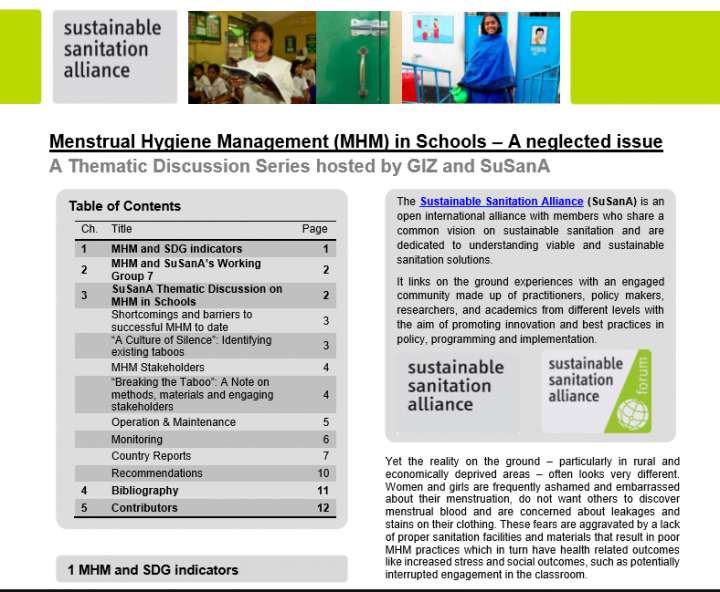
Dauenhauer, K., Büürma, M., Schlenk, J., Sommer, M., Mahon, T. (2017) Menstrual Hygiene Management (MHM) in Schools: A neglected issue - A Thematic Discussion Series hosted by GIZ and SuSanA
Menstrual Hygiene Management (MHM) refers to the way in which women and girls deal with their menstruation. Girls usually menstruate for the first time between the age of 10 and 15. Learning about menstruation is thus vital for secondary school students, but it is not too early to raise awareness in elementary school. Given the number of people affected by MHM in some way or […]
Online since: 24.10.2017
Views: 13156
Downloads: 1703
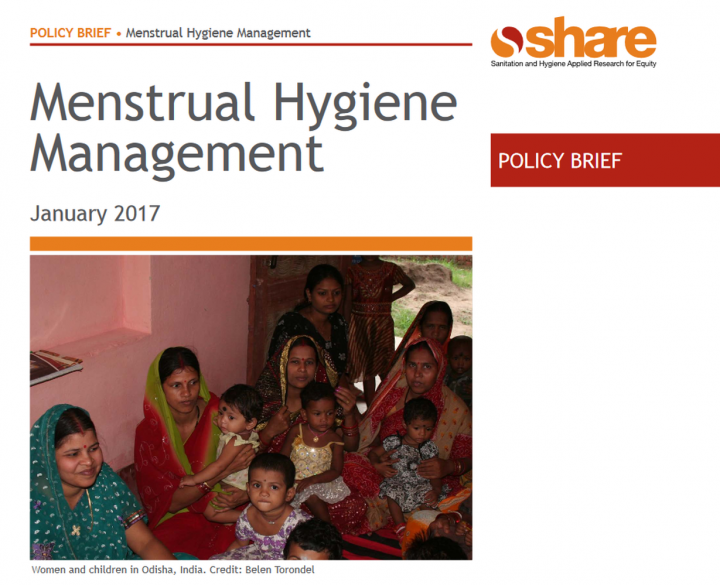
Balls, E. (2017) Menstrual Hygiene Management Policy Brief
This policy brief summarises previous research on MHM and highlights the SHARE Consortium’s contribution to this important topic. It then defines knowledge gaps which still exist and sets out clear recommendations for improving policy and programmes globally.
Online since: 17.05.2017
Views: 4716
Downloads: 551
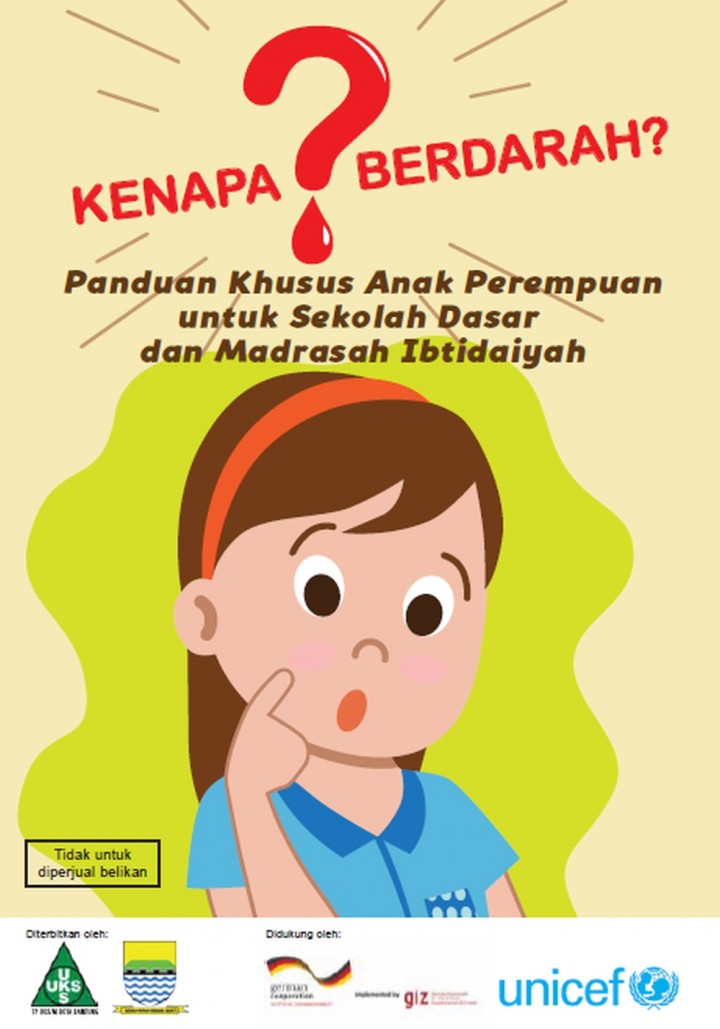
UKS, GIZ and UNICEF (2016) Kenapa Berdarah? “Why bleeding?”
A MHM comic in Bahasa Indonesia developed by UKS team and UNICEF, in collaboration with GIZ. This book aims to provide proper guidance for young women when they face periods, while at the same time providing education for young men to appreciate their female peers who are menstruating. This book was developed based on the results of a study on MHM in Indonesia conducted by […]
Online since: 24.03.2017
Views: 4308
Downloads: 352
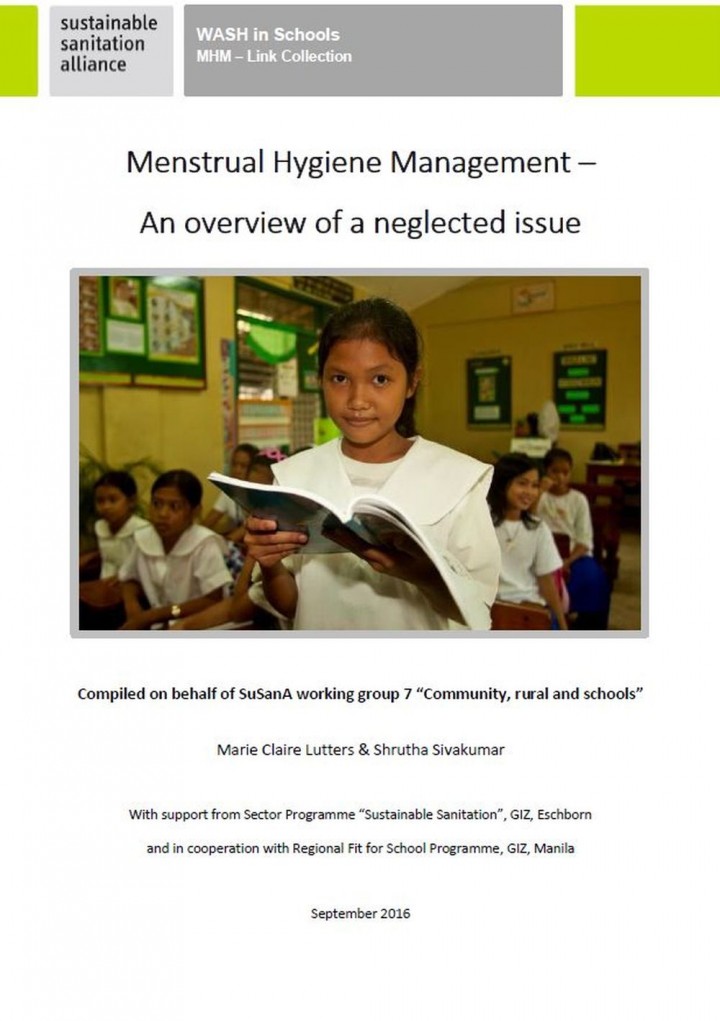
Lutters, M.C., Sivakumar, S., Bäurle, S. (2016) Menstrual Hygiene Management – An overview of a neglected issue Link collection for MHM - updated version 2018
Globally 52% of the female population is of reproductive age, meaning approximately 1.9 billion women and adolescent girls menstruate each month for between two and seven days. A first examination of the MHM global landscape: literature, academic studies, main actors, and debates, by the Sector Programme Sustainable Sanitation of the Gesellschaft für Internationale Zusammenarbeit (GIZ) was discussed and made more comprehensive through discussions with members […]
Online since: 20.10.2016
Views: 7129
Downloads: 528
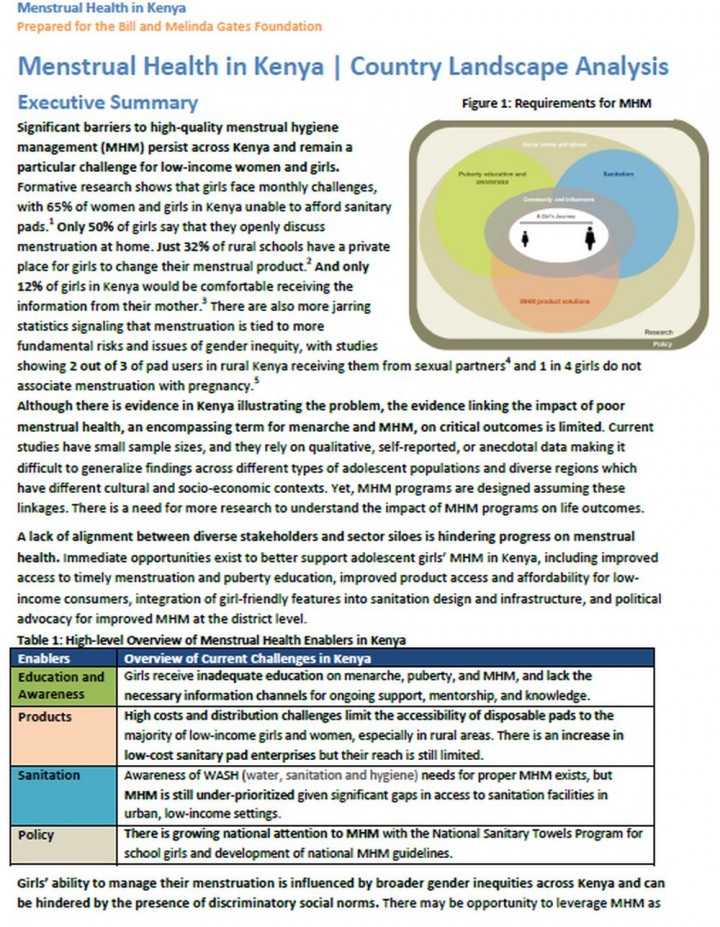
FSG (2016) Menstrual Health in Kenya Country Landscape Analysis
This report seeks to understand: (1) the current state of girls’ experience with menarche and MHM in Kenya, (2) the donor, government, and NGO responses to girls’ needs, and (3) opportunities for research, advocacy, and programming to better address these needs. This complements a Global Landscape Analysis and is one of three Country Landscape Analyses focused on India, Kenya, and Ethiopia. This report provides an assessment of the […]
Online since: 16.06.2016
Views: 4720
Downloads: 9729
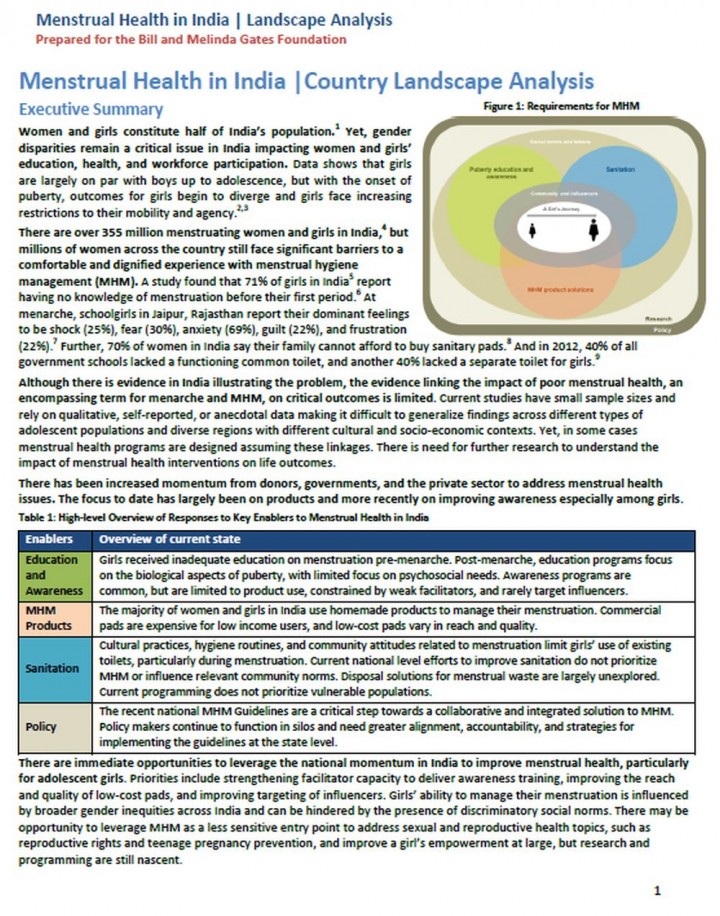
FSG (2016) Menstrual Health in India Country Landscape Analysis
This report seeks to understand: (1) the current state of girls’ experience with menarche and MHM in India, (2) donor, government, NGO, and company responses to girls’ needs, and (3) opportunities for research, advocacy, and programming to better address these needs. This complements a Global Landscape Analysis and is one of three Country Landscape Analyses focused on India, Kenya, and Ethiopia. This report is the result […]
Online since: 16.06.2016
Views: 6111
Downloads: 2072
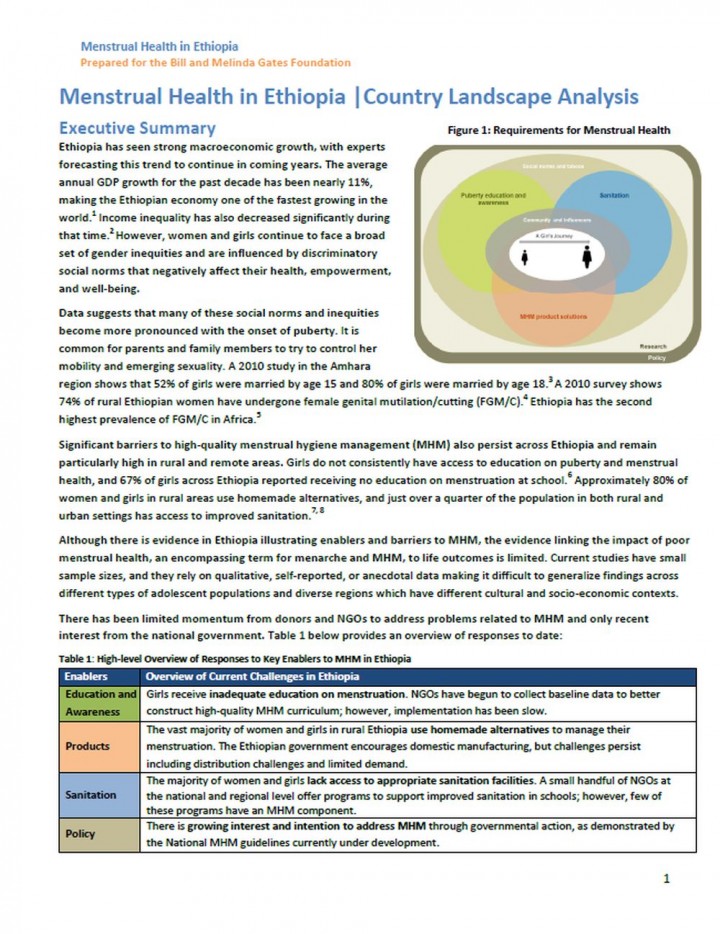
FSG (2016) Menstrual Health in Ethiopia Country Landscape Analysis
This report seeks to understand: (1) the current state of girls’ experience with menarche and MHM in Ethiopia, (2) the donor, government, and NGO responses to girls’ needs, and (3) opportunities for research, advocacy, and programming to better address these needs. This complements a Global Landscape Analysis and is one of three Country Landscape Analyses focused on India, Kenya, and Ethiopia. This report is the result of […]
Online since: 16.06.2016
Views: 4364
Downloads: 428
Roose, S., Tom Rankin, T., Cavill, S. (2015) Breaking the next taboo: Menstrual hygiene within CLTS Frontiers of CLTS: Innovations and Insights Issue 6
Most adolescent girls and women menstruate. This means that for five to seven days each month they bleed through their vagina. This monthly bleeding is often accompanied by abdominal cramps, headaches, mood changes and general lethargy all of which can be exacerbated by social stigma, myths and a lack of requisite infrastructure to manage menstruation safely, privately and hygienically. The accumulated impact of these issues […]

Online since: 12.05.2016
Views: 3880
Downloads: 324
Sommer, M., Kjellén, M., Pensulo, C. (2013) Girls’ and women’s unmet needs for menstrual hygiene management (MHM): the interactions between MHM and sanitation systems in low-income countries
Online since: 16.08.2013
Views: 11089
Downloads: 829
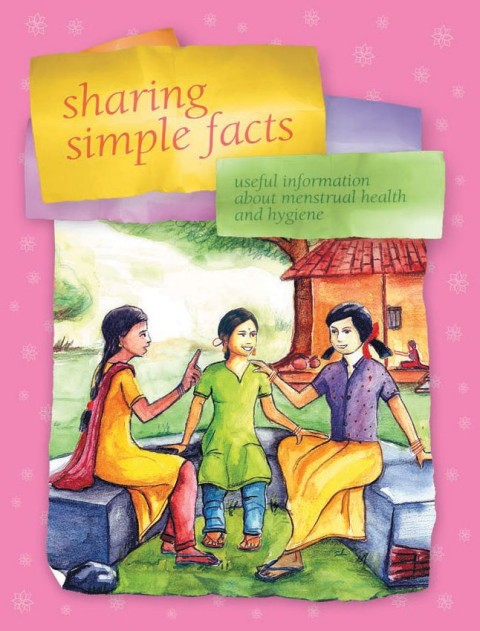
UNICEF (2008) Sharing simple facts - Useful information about menstrual health and hygiene
This guidance booklet on Menstrual Hygiene Management (MHM) is intended for adolescent girls and young women. Issues associated with menstruation are never discussed openly and the silence surrounding menstruation burdens young girls by keeping them ignorant of this biological function. Even after the attainment of menarche, very little information is given to young girls about the physiological processes involved and the hygienic practices to be followed. This […]
Online since: 27.04.2011
Views: 13041
Downloads: 22114